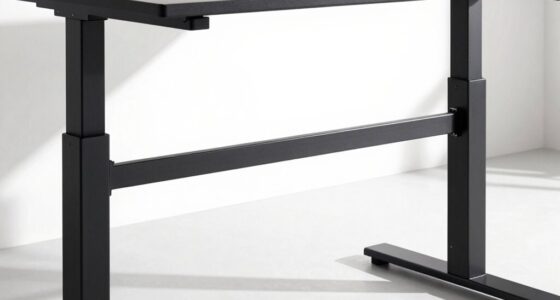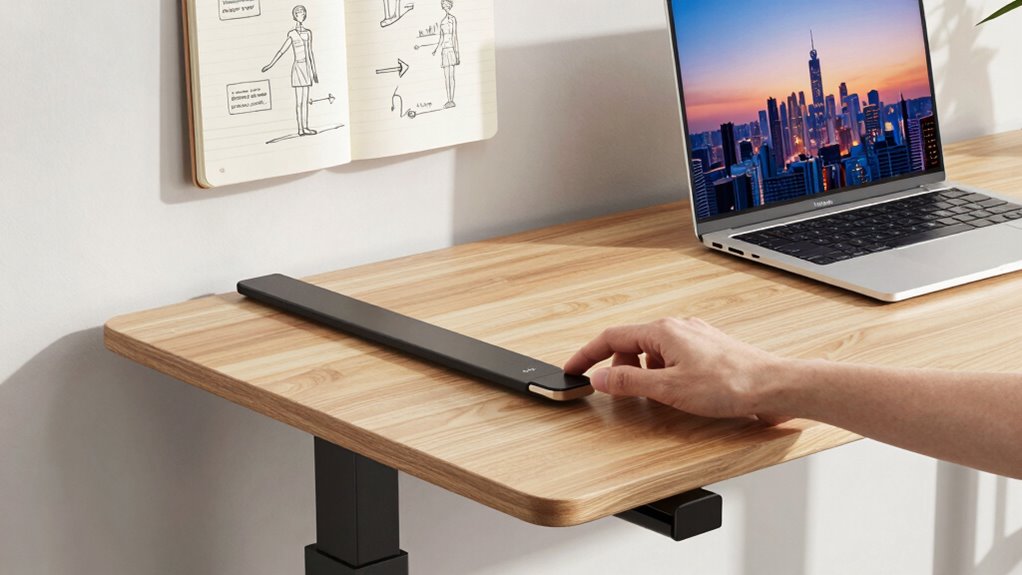

To choose a standing desk, first identify your work-related pain points, like discomfort or poor posture. Next, set a budget that suits your needs. Explore different types of desks, such as manual or electric options, and assess ergonomic features for comfort and health. Finally, compare reviews of popular brands to see which ones offer the best performance and durability. There’s more to contemplate, so keep exploring the various factors that can enhance your workspace experience.
Listen free for 30 days with Audible
Thousands of audiobooks and originals — cancel anytime.
As an affiliate, we earn on qualifying purchases.
Key Takeaways
- Assess your workspace needs, including desk height, size, and ergonomic features for optimal comfort and productivity.
- Set a budget that aligns with your preferences, evaluating costs of different desk types and necessary features.
- Decide on the type of standing desk that suits you: manual, electric, adjustable, fixed, or compact.
- Check ergonomic features like height adjustability, keyboard trays, and surface stability to enhance comfort and reduce fatigue.
- Read customer reviews and ratings to gauge performance, durability, and overall satisfaction with various standing desk brands.
electric standing desk with height adjustment
As an affiliate, we earn on qualifying purchases.
As an affiliate, we earn on qualifying purchases.
Identify Your Work-Related Pain Points

Have you ever noticed discomfort creeping in during long hours at your desk? It’s essential to identify your work-related pain points to enhance your comfort and productivity. Start with a posture assessment; check how you’re sitting or standing. Are your shoulders relaxed? Is your back supported? Next, conduct a workspace evaluation. Look around: is your monitor at eye level? Are your hands resting comfortably on your keyboard? Adjusting these elements can make a world of difference. Additionally, incorporating ergonomic principles such as proper alignment and support can significantly reduce strain. Implementing adjustable features like height controls or ergonomic accessories can further enhance your setup. Considering smart home technology solutions, like adjustable standing desks with automated height adjustments, can further optimize your workspace. To ensure you maintain a comfortable environment, consider how HVAC systems can support your workspace temperature and air quality, reducing discomfort caused by overheating or poor ventilation. Optimizing workspace ergonomics can also help prevent long-term musculoskeletal issues. If you’re feeling persistent discomfort, don’t ignore it. Take the time to pinpoint what’s causing it. By focusing on these assessments, you can create a more ergonomic workspace that supports your body, improving your overall work experience and reducing pain.
As an affiliate, we earn on qualifying purchases.
Choose a Budget for Your Standing Desk
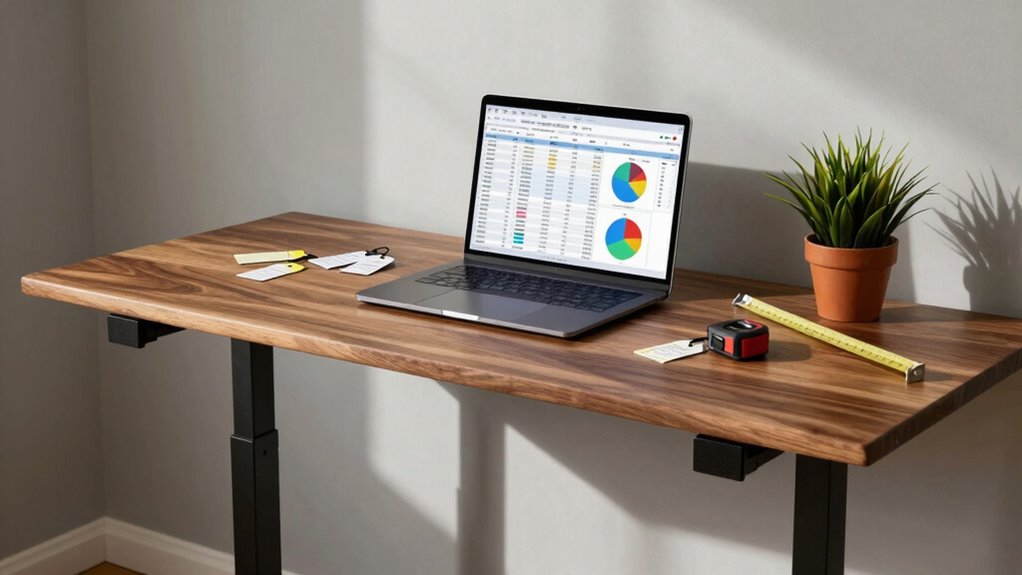
When setting out to choose a standing desk, it’s important to establish a budget that aligns with your needs and preferences. Start by doing a cost analysis of different desk options, considering features that matter most to you, like adjustability and material quality. Think about budget considerations such as whether you’re looking for high-end models or more affordable alternatives. Remember that investing a little more can lead to better ergonomics and durability. List your must-haves and compare prices, ensuring you don’t overlook hidden costs like shipping or assembly. With a clear budget in mind, you’ll make a more informed decision that fits both your workspace and financial situation, making your standing desk purchase a smart investment.
compact adjustable standing desk
As an affiliate, we earn on qualifying purchases.
As an affiliate, we earn on qualifying purchases.
What Types of Standing Desks Are Out There?
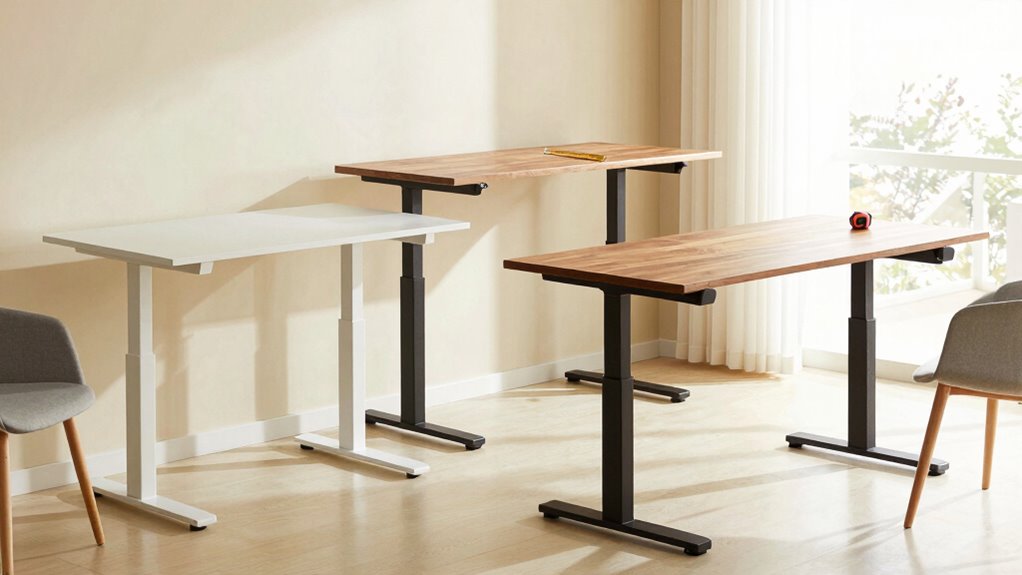
Which types of standing desks fit your workspace and lifestyle? You can choose from various options, each catering to different needs. Here’s a quick overview:
| Type | Description | Ideal For |
|---|---|---|
| Manual Desks | Hand-cranked height adjustment | Budget-conscious users |
| Electric Desks | Motorized height adjustments | Frequent height-changers |
| Adjustable Desks | Versatile for multiple users | Shared workspaces |
| Fixed Desks | Set height, sturdy construction | Minimalist setups |
| Compact Desks | Space-saving designs | Small offices |
| Large Desks | Generous workspace | Home offices |
standing desk with keyboard tray
As an affiliate, we earn on qualifying purchases.
As an affiliate, we earn on qualifying purchases.
Assess Ergonomic Features for Comfort and Health
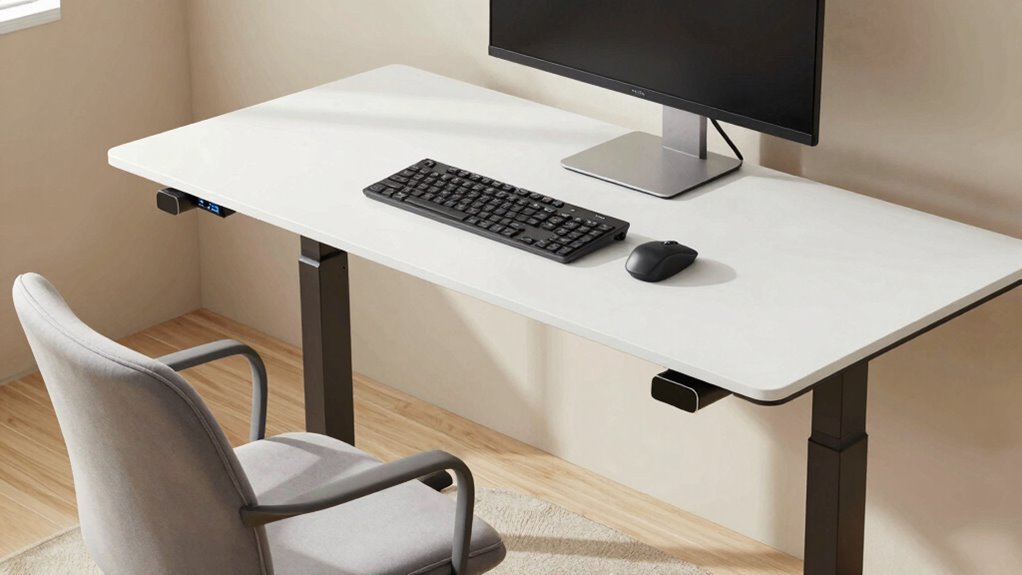
While choosing a standing desk, it’s crucial to assess its ergonomic features to confirm comfort and promote health. Look for key ergonomic adjustments that enhance your workspace experience. Here are three essential features to take into account:
- Height Adjustability: Ascertain the desk can be easily adjusted to fit your height, promoting proper posture support. This feature allows for seamless transitions between sitting and standing positions, reducing strain during long work hours. Ensuring the desk has smooth height adjustment mechanisms can improve usability and reduce frustration.
- Keyboard Tray: A dedicated tray can help maintain a peak typing position, reducing strain on your wrists. An adjustable tray can also accommodate various ergonomic keyboard positions to suit your preferences.
- Stability and Surface Area: A stable desk will prevent wobbling, allowing you to comfortably use your devices without distraction. Additionally, consider ergonomic design principles to ensure the desk supports natural movement and reduces fatigue during extended use.
How to Compare Reviews of Popular Standing Desk Brands
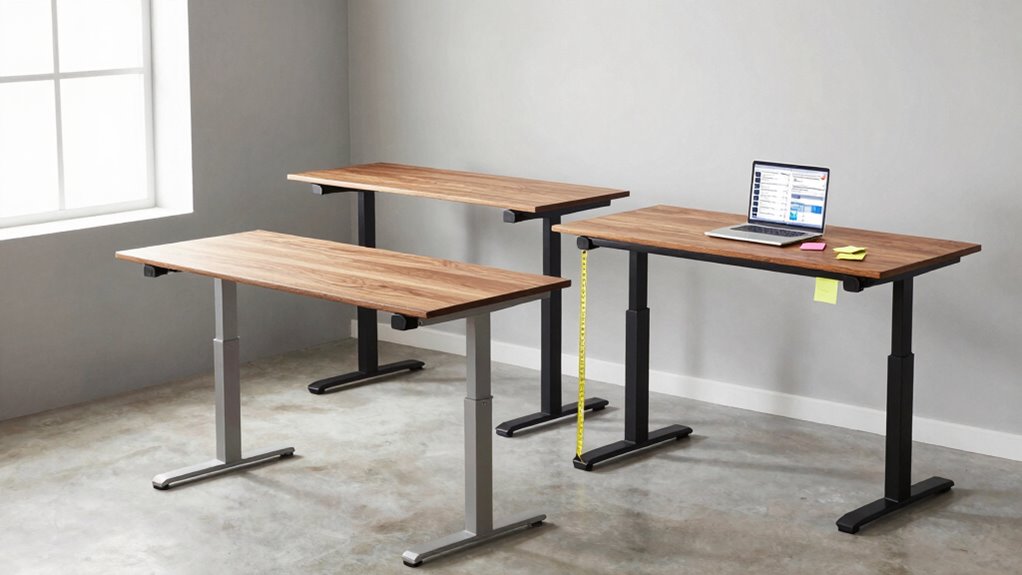
Having assessed ergonomic features for comfort and health, the next step is to compare reviews of popular standing desk brands. This will help you gauge brand reliability and desk aesthetics, ensuring you make an informed choice. Start by looking for customer feedback on performance, durability, and design. Additionally, pay attention to workspace fundamentals such as layout, light, and workflow, which influence overall satisfaction and long-term comfort. Considering product quality and how well each brand meets ergonomic standards can also be valuable in your decision-making process. To further inform your decision, review customer satisfaction ratings and warranty policies, which reflect overall trustworthiness and support. Here’s a quick comparison table to guide you:
| Brand | Reliability Rating | Aesthetics Score |
|---|---|---|
| Brand A | 4.5/5 | 4/5 |
| Brand B | 4/5 | 5/5 |
| Brand C | 3.5/5 | 3/5 |
| Brand D | 5/5 | 4.5/5 |
Read through multiple reviews to get a clearer picture, and remember that a well-rounded choice balances both reliability and visual appeal.
Frequently Asked Questions
Can Standing Desks Improve Productivity and Focus?
Yes, standing desks can improve your productivity and focus. By using one, you’re likely to experience cognitive benefits, such as enhanced concentration and mental clarity. The ergonomic advantages, like reducing back pain and promoting better posture, contribute to your overall comfort, allowing you to work more efficiently. When you feel good physically, your mind stays sharp, making it easier to tackle tasks and stay engaged throughout your workday.
How Much Space Do I Need for a Standing Desk?
You’ll need to take into account the desk dimensions that fit your workspace layout. Typically, a standing desk should be at least 48 inches wide to accommodate your monitor and keyboard comfortably. Make sure you have enough depth, around 24 to 30 inches, for your equipment. Additionally, factor in space for movement and other items like papers or a printer. A clutter-free area enhances productivity, so choose a size that complements your overall workspace.
Are Standing Desks Suitable for All Body Types?
Yes, standing desks can be suitable for all body types, but body type considerations are important. You’ll want to guarantee your desk allows for ergonomic adjustments, so you can find the right height and posture. This helps reduce strain and promotes comfort while standing. Whether you’re tall, short, or somewhere in between, a good standing desk should accommodate your needs, allowing you to work efficiently without discomfort.
What Accessories Enhance the Use of a Standing Desk?
To enhance your standing desk experience, consider adding monitor arms, anti-fatigue mats, keyboard trays, and effective cable management solutions. These accessories not only optimize your workspace but also promote better posture and comfort. Monitor arms allow for customizable screen height, while anti-fatigue mats reduce strain on your feet and legs. Keyboard trays help maintain a natural wrist position, and cable management keeps your area tidy, preventing distractions and clutter.
How Often Should I Alternate Between Sitting and Standing?
You should alternate between sitting and standing every 30 to 60 minutes. This balance allows you to enjoy the standing benefits like improved posture and increased energy while minimizing discomfort from prolonged sitting intervals. Listen to your body; if you feel fatigued or sore, switch positions. Finding a rhythm that works for you can enhance your productivity and overall comfort, making your work experience more enjoyable and healthier.
Conclusion
Choosing the right standing desk can transform your work experience, easing your pain points and boosting productivity. Imagine the relief of finally finding a desk that fits your budget and meets your ergonomic needs. As you read reviews and weigh your options, remember that the perfect desk is waiting for you just around the corner. Embrace this chance to invest in your health and comfort, and soon you’ll be standing tall, ready to tackle your tasks with renewed energy.
Flea & tick season Picks
flea and tick prevention
As an affiliate, we earn on qualifying purchases.