
When deciding between a satellite messenger and a GPS tracker, consider your needs. Satellite messengers offer global communication and SOS features, perfect for remote areas. In contrast, GPS trackers provide real-time location updates and geofencing, ideal for urban settings. Battery life varies, with messengers lasting longer in low-power modes, while trackers might need frequent charging. Cost is another factor, as messengers often have higher upfront and subscription fees. There’s a lot more to discover about each option!

Get the little things that make your day delivered free with Prime
- Fast, free delivery on millions of items
- Prime Video, Amazon Music and more included
- Member-only deals all year
Key Takeaways
- Satellite messengers provide global coverage and reliable communication in remote areas, while GPS trackers depend on cellular networks, limiting their effectiveness in isolated locations.
- Satellite messengers feature two-way messaging and SOS functionality for emergencies, while GPS trackers primarily focus on real-time location monitoring.
- Battery efficiency varies; satellite messengers can last days on a single charge, whereas GPS trackers may require more frequent recharging due to constant updates.
- Cost considerations include higher initial prices and subscription fees for satellite messengers, while GPS trackers generally have lower upfront costs but may lack advanced features.
- Terrain impact shows satellite messengers excel in mountainous areas, while GPS trackers perform better in urban settings with robust cellular coverage.
satellite messenger device for outdoor adventures
As an affiliate, we earn on qualifying purchases.
As an affiliate, we earn on qualifying purchases.
Satellite Messengers vs. GPS Trackers: Which One Do You Need?
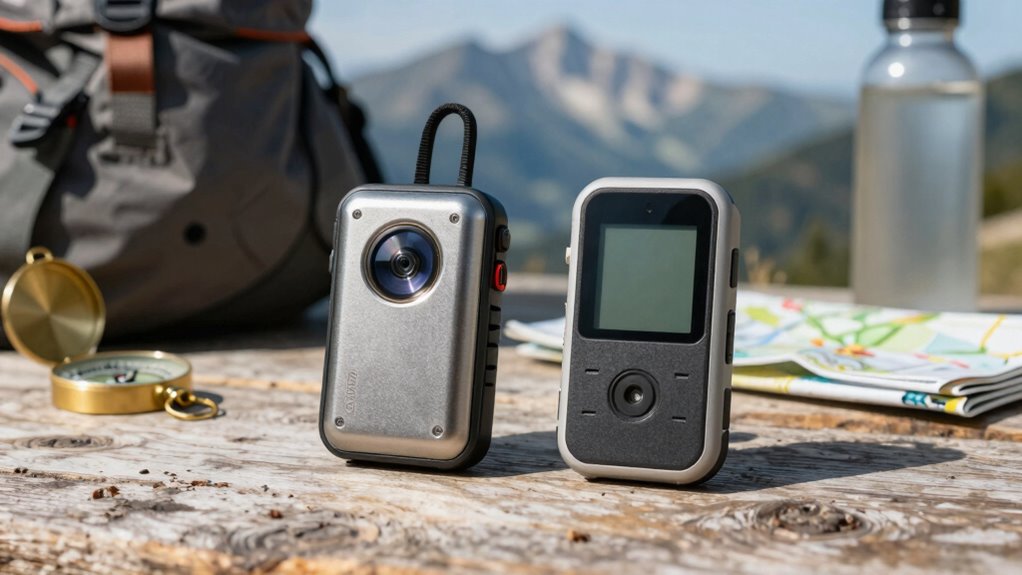
When you’re venturing into the great outdoors, how do you decide between a satellite messenger and a GPS tracker? Both devices serve unique purposes, so it’s essential to weigh their benefits. Satellite messengers offer significant advantages, like two-way communication and emergency SOS features, ensuring you stay connected even in remote areas. This connectivity can be lifesaving if you find yourself in trouble. Additionally, understanding backup power options can help keep your devices operational during extended trips or power outages. Some satellite messengers also include additional safety features, which can further enhance your security in the wilderness. To maximize reliability, it’s important to consider eco-friendly travel gear that supports sustainability while exploring. Proper device maintenance and choosing energy-efficient models can extend your device’s lifespan and reduce environmental impact. Moreover, selecting devices with long battery life ensures continuous operation during prolonged adventures. On the other hand, GPS trackers have their limitations. They typically rely on cellular networks, which might not be available in isolated locations. If you’re planning a trip far from civilization, a satellite messenger is your best bet for reliable communication. Ultimately, your choice will depend on your specific needs and the environments you’ll be exploring.
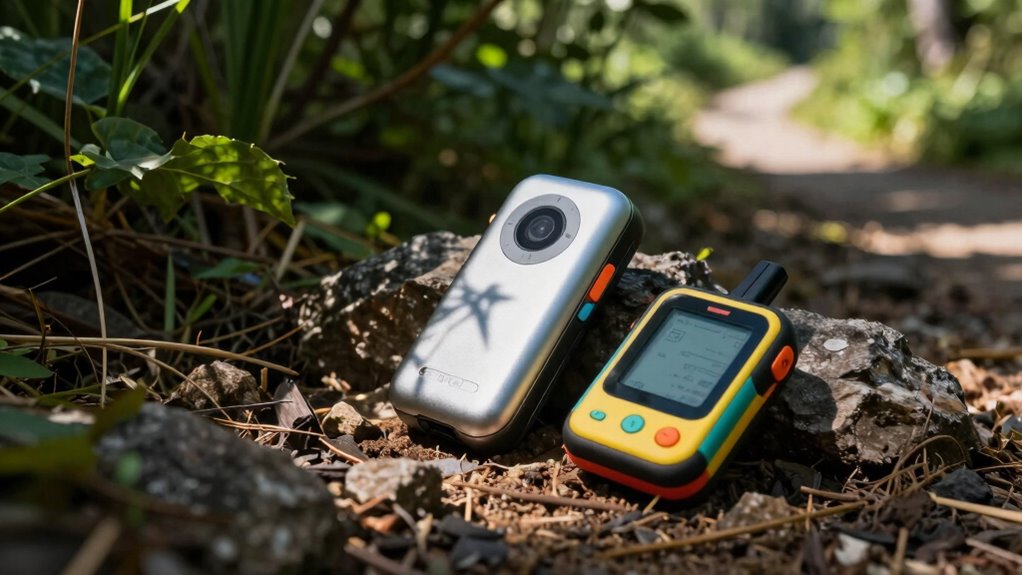
GPS tracker with real-time location updates
As an affiliate, we earn on qualifying purchases.
As an affiliate, we earn on qualifying purchases.
What Is a Satellite Messenger and How Does It Work?
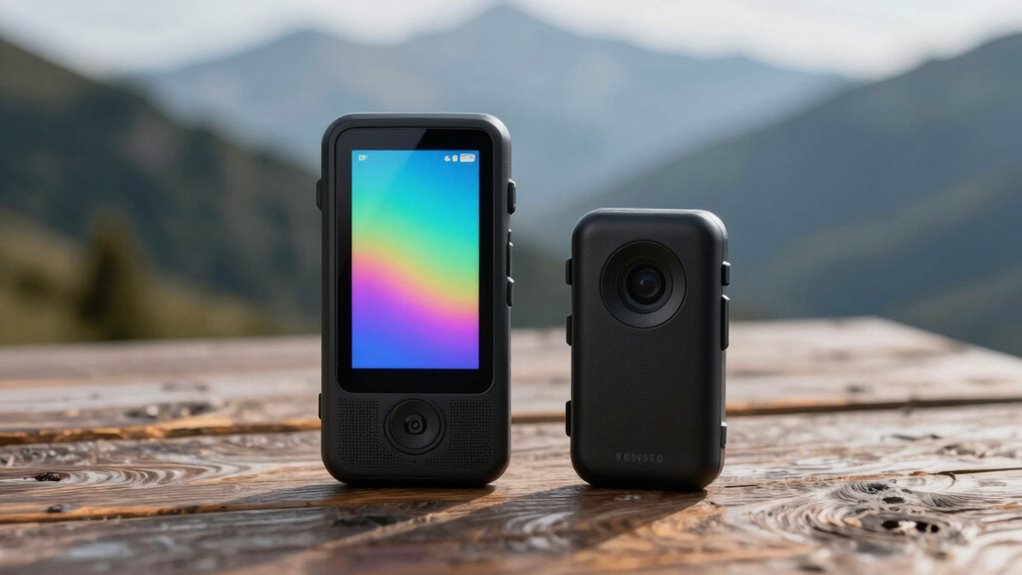
A satellite messenger is a compact device that allows you to send and receive messages via satellite, ensuring you stay connected even in remote locations where cellular service is nonexistent. Using advanced satellite technology, these devices provide several user benefits:
- Global Coverage: You can send messages from virtually anywhere on the planet.
- Emergency Features: Many models include SOS functions to alert rescue services.
- Two-way Communication: You can send and receive messages, keeping your loved ones informed.
- Durability: Designed to withstand harsh conditions, they’re perfect for outdoor adventures.
emergency satellite messenger with SOS
As an affiliate, we earn on qualifying purchases.
As an affiliate, we earn on qualifying purchases.
What Is a GPS Tracker and How Does It Work?
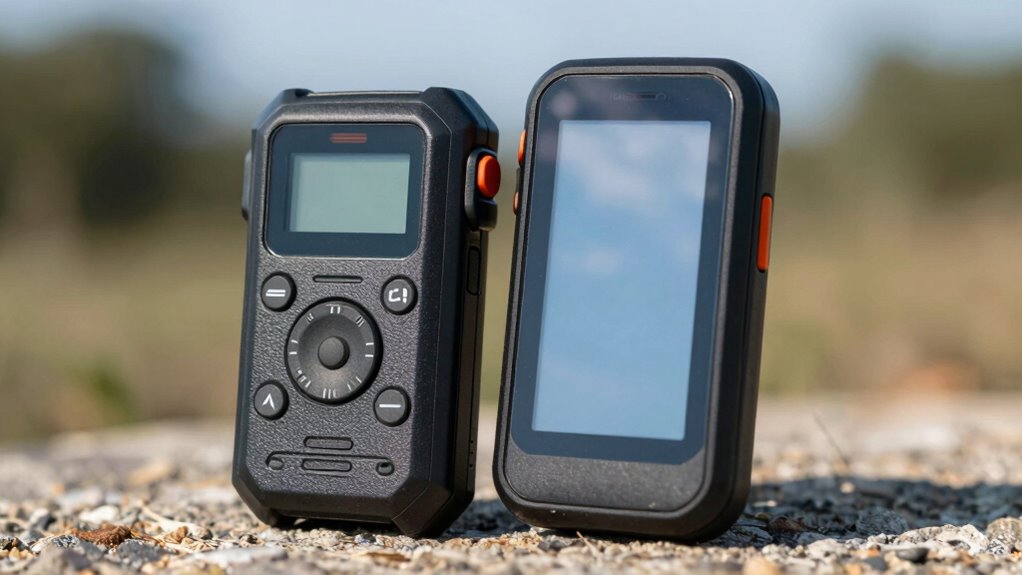
GPS trackers are essential devices that help you monitor the location of people, vehicles, or assets in real-time. They use GPS technology to pinpoint exact locations and provide reliable tracking accuracy. When you activate a GPS tracker, it communicates with satellites to determine its position, which is then relayed back to your smartphone or computer. You can set up alerts for specific movements or geofencing, ensuring you’re notified when someone enters or leaves a designated area. Whether you’re keeping tabs on your kids, tracking a fleet of vehicles, or monitoring valuable equipment, GPS trackers give you peace of mind by providing you with consistent, accurate updates on location. They’re invaluable for anyone needing to stay connected and informed.
As an affiliate, we earn on qualifying purchases.
Essential Features of Satellite Messengers
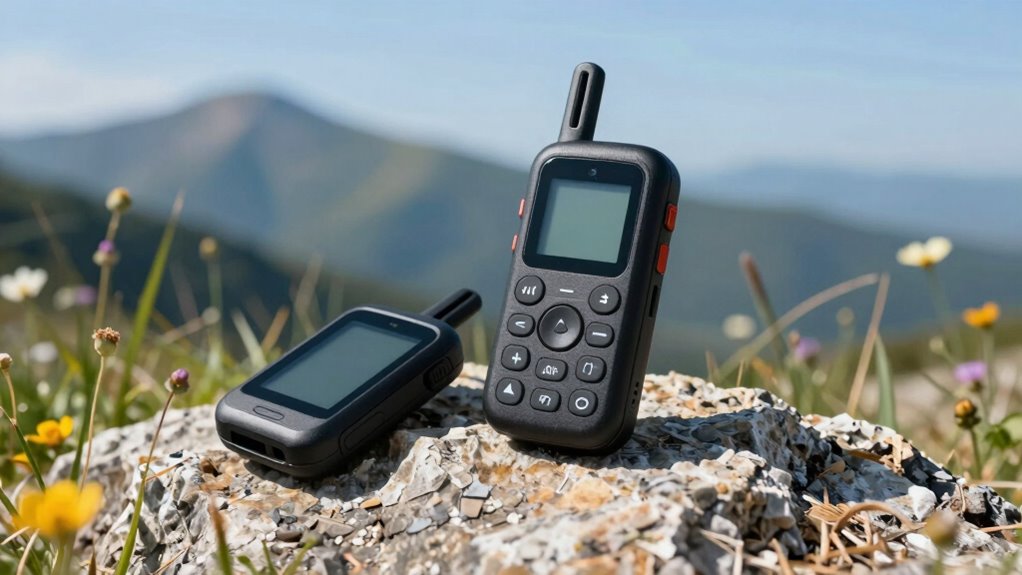
When choosing a satellite messenger, you need to evaluate its communication capabilities, battery life, and emergency features. These elements can make a huge difference in how effective the device is during your adventures. Let’s explore each of these essential features and what they mean for you.
Communication Capabilities
While you venture into remote areas, having reliable communication capabilities is essential, and that’s where satellite messengers shine. These devices offer vital features that can make a difference in your outdoor experience, especially when it comes to emergency communication and remote messaging. Here are four key capabilities to take into account:
- Two-Way Messaging: Stay connected with loved ones and share updates on your whereabouts.
- SOS Functionality: Instantly alert rescue services in case of an emergency.
- Global Coverage: Communicate even in the most isolated locations without relying on cellular networks.
- Group Messaging: Coordinate with your team, ensuring everyone’s safety and awareness.
With these features, satellite messengers provide peace of mind no matter how far off the beaten path you go.
Battery Life Considerations
Having reliable communication features is just one part of the equation in outdoor adventures; battery life is another critical aspect to contemplate. When you’re out in the wild, you need to guarantee your satellite messenger won’t let you down when it matters most. This is where battery efficiency comes into play. A device with superior power management can stretch its battery life, allowing you to send messages and track your journey longer without needing a recharge. Look for models that offer low-power modes or options to limit usage during less critical times. By prioritizing battery life alongside communication capabilities, you can commence your adventures with confidence, knowing you’ll stay connected throughout your journey.
Emergency Features Availability
In emergency situations, having access to reliable features can make all the difference in ensuring your safety. Satellite messengers shine in this regard, offering essential capabilities that can help you in a crisis. Here are four key emergency features you should look for:
- Emergency Alerts: Instantly send distress signals to emergency services or contacts.
- Two-Way Messaging: Communicate directly with rescuers for clarity on your situation.
- Location Sharing: Share your GPS coordinates for precise rescue coordination.
- SOS Functionality: Activate a dedicated SOS button that triggers immediate assistance.
Key GPS Tracker Features
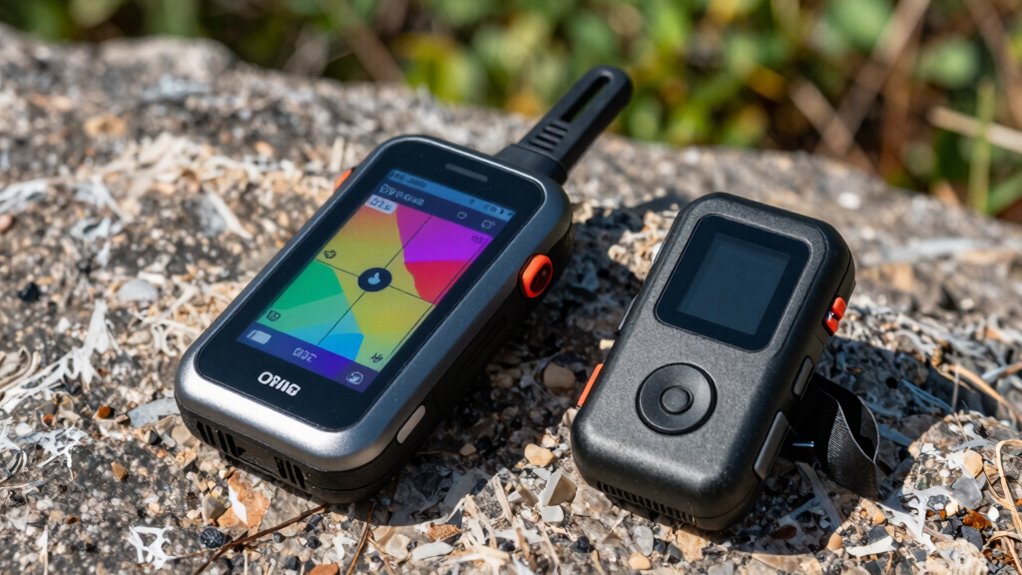
When choosing a GPS tracker, you’ll want to focus on key features that matter most. Real-time location tracking keeps you informed, while battery life considerations guarantee your device lasts as long as you need it. Additionally, geofencing capabilities can alert you when someone crosses a predefined boundary, adding an extra layer of security.
Real-Time Location Tracking
As you explore the features of GPS trackers, you’ll quickly notice that real-time location tracking stands out as an essential capability. This feature not only provides peace of mind but also guarantees safety in various situations. Here are four key aspects of real-time location tracking that enhance your experience:
- Real-Time Updates: Receive immediate alerts on location changes, keeping you informed at all times.
- Tracking Accuracy: Benefit from precise location data, helping you navigate efficiently.
- Geofencing Alerts: Set up virtual boundaries and get notified when someone enters or exits.
- Historical Data: Access past tracking information to review movement patterns and make informed decisions.
With these features, you’re empowered to stay connected and aware of your surroundings.
Battery Life Considerations
While you rely on GPS trackers for real-time location updates, battery life plays an essential role in their overall effectiveness. A tracker with strong battery efficiency guarantees you get timely updates without constantly worrying about recharging. Many modern GPS trackers utilize advanced power management techniques, extending battery life considerably. Look for devices that offer adjustable tracking intervals; this feature allows you to balance between frequent updates and longer battery life. Some trackers even come with energy-saving modes, automatically switching to low-power settings when not in use. By choosing a GPS tracker that excels in battery efficiency and power management, you’ll have peace of mind knowing your device will stay powered during your adventures.
Geofencing Capabilities
Battery efficiency is just one aspect to contemplate when evaluating GPS trackers. Geofencing capabilities are equally essential, offering you enhanced control and monitoring. With geofencing applications, you can set virtual boundaries and receive tracking alerts when those limits are crossed. Here’s what to look for:
- Customizable Geofences: Set specific areas for alerts based on your needs.
- Real-time Notifications: Get instant tracking alerts when someone enters or exits a geofenced area.
- Historical Data: Access past geofence activity to review patterns and behaviors.
- User-friendly Interface: A simple setup makes it easy to create and manage geofences.
Comparing Communication Capabilities: Satellite Messengers vs. GPS Trackers
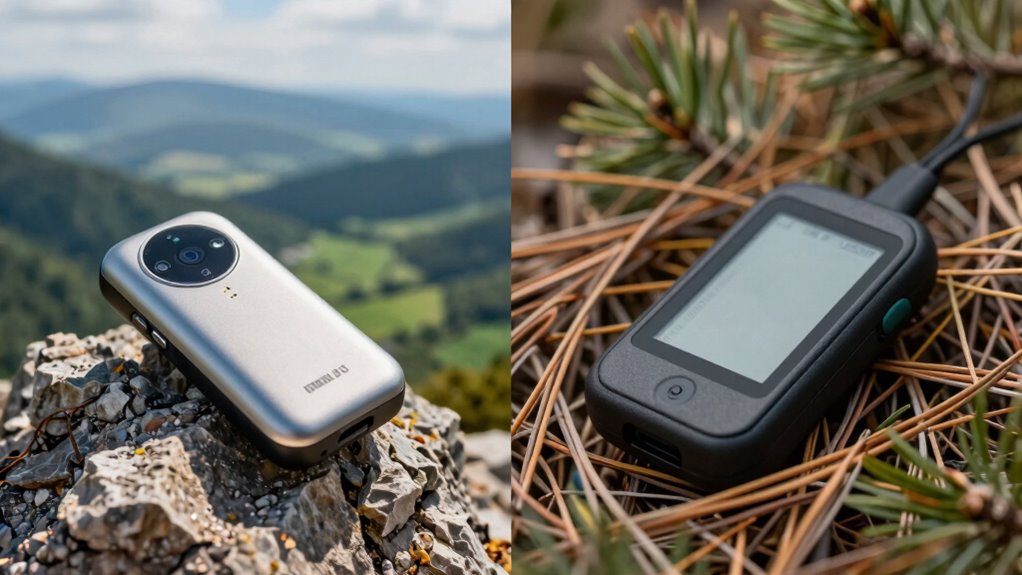
When you venture into remote areas, understanding the communication capabilities of satellite messengers and GPS trackers can be vital for your safety and connectivity. Satellite messengers provide robust satellite connectivity, allowing you to send messages and alerts regardless of your location. This feature can be a lifesaver in emergencies. On the other hand, GPS trackers excel in tracking accuracy, enabling you to monitor your movements and share your location with others in real-time. While both devices play significant roles, your choice may depend on whether you prioritize communication or precise location tracking. Ultimately, knowing the strengths of each can help you make an informed decision tailored to your outdoor adventures.
Coverage Areas: Where Can You Use Each Device?
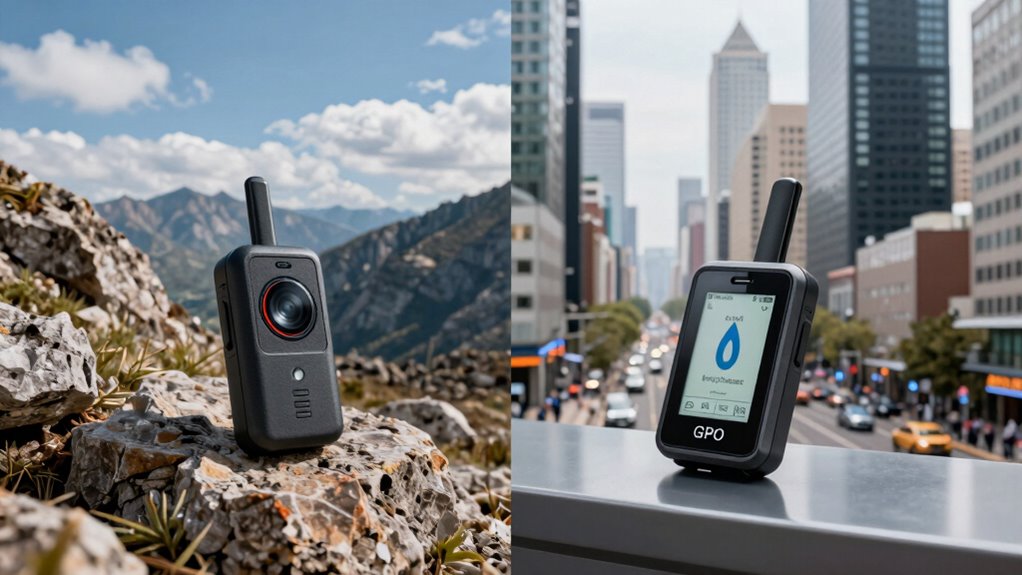
When choosing between a satellite messenger and a GPS tracker, you need to evaluate where you’ll be using each device. Satellite messengers offer global coverage, making them ideal for remote areas, while GPS trackers often rely on cellular networks that can be spotty in certain terrains. Understanding these limitations will help you pick the right tool for your adventures.
Global Satellite Coverage
While both satellite messengers and GPS trackers rely on satellite networks, their coverage areas differ considerably, impacting where you can use each device. If you’re seeking global connectivity, consider the following:
- Satellite Messengers: They provide extensive global coverage, often reaching remote areas where cellular signals are weak or non-existent.
- GPS Trackers: Their effectiveness can be limited, particularly in isolated regions, since they often depend on cellular networks for data transmission.
- Usage Scenarios: Satellite messengers are ideal for adventurers and those in off-the-grid locations, while GPS trackers suit urban or suburban environments.
- Emergency Communication: Satellite messengers allow for emergency messaging anywhere, whereas GPS trackers may not send alerts without cellular service.
Understanding these differences helps you choose the right device for your needs.
Cellular Network Limitations
Although GPS trackers offer convenience in urban areas, their reliance on cellular networks means they can falter in remote locations. In places where cellular coverage is spotty or non-existent, you might find your GPS tracker unable to provide real-time updates. This limitation can be frustrating if you’re exploring off-the-beaten-path destinations or engaging in outdoor adventures. On the other hand, satellite messengers don’t depend on cellular networks, ensuring you stay connected even in the most isolated spots. While GPS trackers excel in signal reliability when you’re in town, if you’re venturing into the wilderness, you’ll want to contemplate a satellite messenger for uninterrupted communication. Knowing these differences can help you choose the right device for your needs.
Terrain and Environment Impact
The choice between a satellite messenger and a GPS tracker often hinges on the terrain and environment where you plan to use the device. Understanding terrain challenges and environment considerations can help you make an informed decision. Here’s what to keep in mind:
- Remote Areas: Satellite messengers excel in remote locations, ensuring you stay connected even without cell service.
- Urban Settings: GPS trackers work well in urban environments where cellular coverage is robust.
- Mountains and Valleys: Satellite devices can penetrate mountainous terrain better, while GPS trackers may struggle in deep valleys.
- Water Bodies: Both devices can be used near water, but satellite messengers provide more reliable communication in open waters.
Choose wisely based on your adventure’s demands!
Battery Life and Durability: Which Lasts Longer?
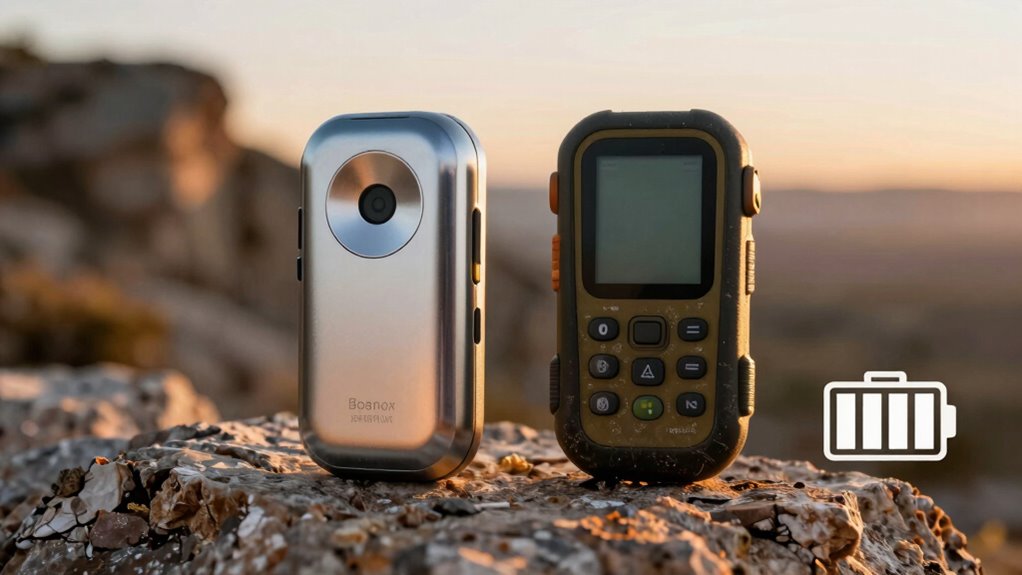
When you’re out in the wilderness or on an adventure, understanding the battery life and durability of satellite messengers and GPS trackers can make a significant difference in your experience. Satellite messengers typically offer impressive battery performance, lasting days on a single charge, especially in low-power modes. In contrast, GPS trackers often require more frequent recharging due to constant location updates, making their battery life less reliable for extended trips. When it comes to durability comparison, satellite messengers are generally built to withstand harsh conditions, including water resistance and rugged designs. Battery conservation features in satellite messengers further extend their usability in remote environments. GPS trackers, while sturdy, may not endure extreme environments as well. Ultimately, choosing the right device depends on how long you’ll be out and the conditions you expect to face.
Cost Differences: What to Expect for Each Option
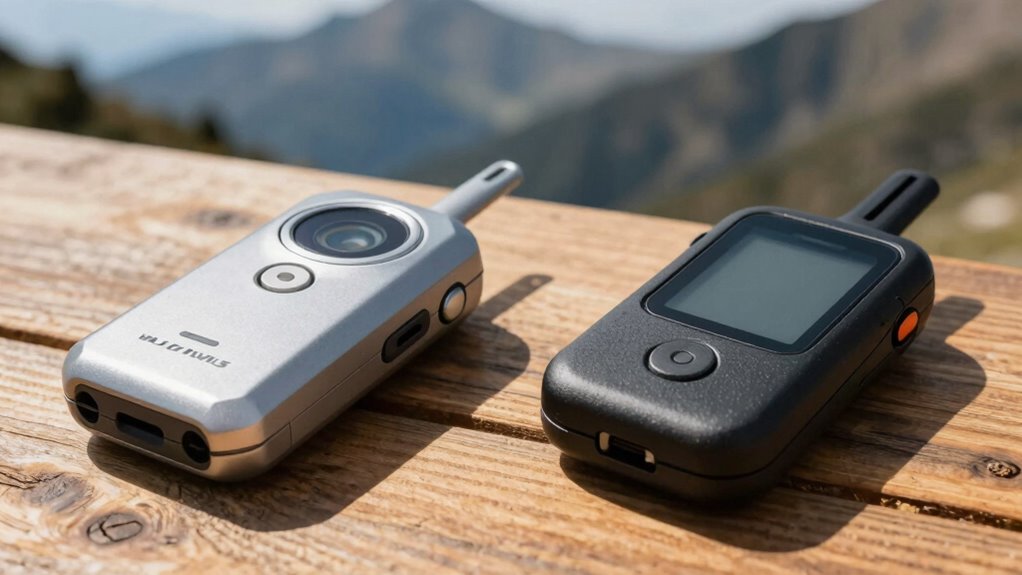
Understanding the cost differences between satellite messengers and GPS trackers can help you make a smarter choice for your outdoor adventures. When considering your budget, keep these points in mind for a clear cost comparison:
- Initial Purchase Price: Satellite messengers tend to be more expensive upfront than GPS trackers.
- Monthly Subscription Fees: Many satellite messengers require a subscription, adding to your long-term costs.
- Features & Functionality: Consider what features you need; more advanced options typically cost more.
- Durability & Longevity: Investing in a robust device may save you money in the long run by reducing replacement costs.
How to Choose the Right Device for Your Adventures?
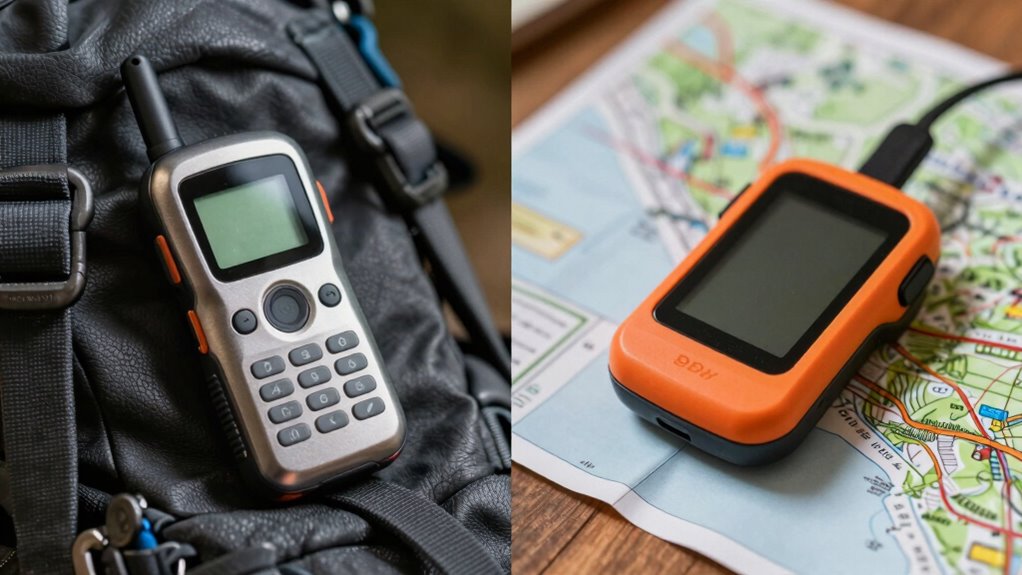
Choosing the right device for your adventures hinges on your specific needs and the type of activities you plan to undertake. Consider your adventure types; are you hiking in remote areas, or are you cycling in urban settings? Satellite messengers are ideal for off-grid excursions, allowing you to send messages and SOS signals. In contrast, GPS trackers excel in monitoring your location during group activities or road trips. Additionally, check device compatibility with your smartphone or other gadgets. Some devices offer apps for enhanced functionality, while others operate independently. Ultimately, choose a device that aligns with your adventure style, ensuring you stay safe and connected wherever your journey takes you.
Frequently Asked Questions
Can Satellite Messengers Work Without a Mobile Network?
Yes, satellite messengers can work without a mobile network. They rely on satellite technology to send and receive messages, making them ideal for remote areas where cell service isn’t available. In emergencies, you can communicate your location and situation even when traditional networks fail. This capability is essential for safety during outdoor adventures or in disaster scenarios, ensuring you stay connected when it matters most.
Are GPS Trackers Waterproof or Water-Resistant?
You’d think all GPS trackers are waterproof, right? Well, it turns out they often come with varying levels of water resistance. Some boast impressive waterproof ratings, while others might just survive a light drizzle. So, if you’re planning to take yours on a wet adventure, check the device’s durability first. Choosing the right one can save you from a soggy disappointment, ensuring your tracking remains intact, rain or shine!
Do Satellite Messengers Require a Subscription Plan?
Yes, satellite messengers typically require a subscription plan. These plans can vary in subscription costs, depending on the device features and the level of service you choose. Some offer basic messaging, while others include tracking and emergency services. Before purchasing, it’s important to compare the subscription options to find one that fits your needs and budget. Always check for any additional fees that might apply as well.
How Accurate Are GPS Trackers in Remote Areas?
When it comes to remote tracking, GPS trackers can be a mixed bag. They’re generally accurate, but several accuracy factors come into play, like terrain and weather. In open areas, you might get pinpoint accuracy, but dense forests or mountains can hinder signals. So, don’t count on them to always hit the mark. If you’re venturing into the wild, consider carrying a backup option to cover all your bases.
Can I Share My Location With Multiple Users Using These Devices?
Yes, you can share your location with multiple users using both satellite messengers and GPS trackers. These devices often come with features that allow for easy location sharing, enhancing user accessibility. You can send your coordinates to friends or family, ensuring they know where you are, especially in remote areas. Just make sure to check the specific device’s settings, as some may have limitations or require additional setup for multiple users.
Conclusion
When it comes down to choosing between a satellite messenger and a GPS tracker, it’s all about your specific needs. If you’re venturing into the great unknown, a satellite messenger might be your lifeline. On the other hand, if you just need to keep tabs on loved ones during outdoor activities, a GPS tracker could be the way to go. Ultimately, weigh your options carefully, and you’ll find the right fit for your adventures—don’t put all your eggs in one basket!
NFL season / tailgating Picks
team gear
As an affiliate, we earn on qualifying purchases.