
To determine if a smart thermostat is compatible with your system, check your HVAC type, age, and wiring setup. Most modern systems work with smart thermostats, but older units might need upgrades or adapters, especially if you lack a common wire (C-wire). Professional checks can help avoid surprises and guarantee easy installation. Want to get this part right? Keep going to learn more about making your system smart and energy-efficient.

Get the little things that make your day delivered free — and shop member deals
- Fast, free delivery on millions of items
- Access to Prime Big Deal Days deals on October 6–7
- Prime Video, Amazon Music and more included
Key Takeaways
- Verify your HVAC system type, age, and wiring to ensure compatibility with smart thermostats.
- Most modern systems support smart thermostats, but older units may require upgrades or adapters.
- Check for a common wire (C-wire), essential for power supply in many smart thermostat models.
- Consult a professional installer to accurately assess system compatibility and wiring needs.
- Proper compatibility ensures seamless operation, energy efficiency, and easier installation.
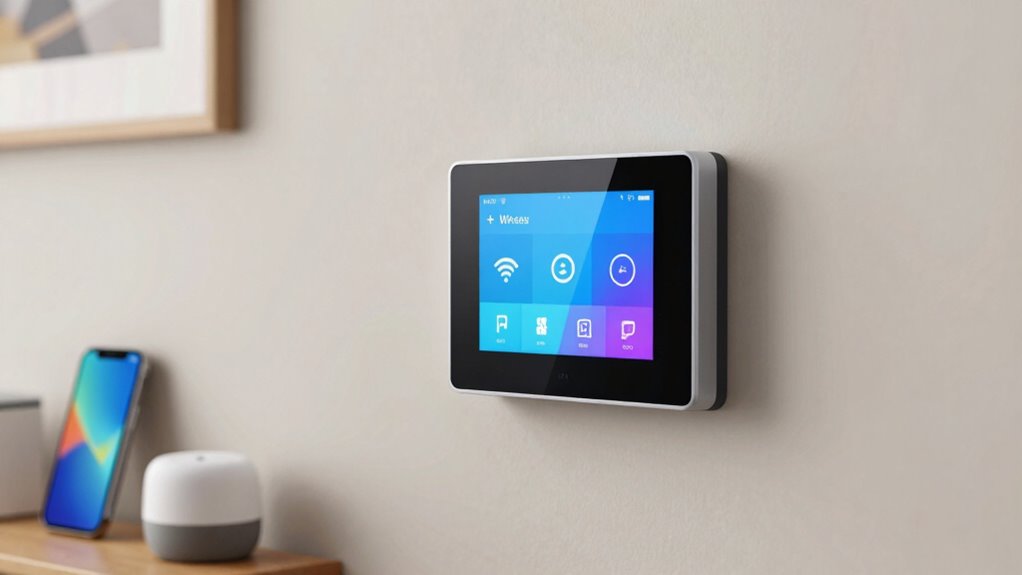
Are you wondering if your current heating and cooling system can work with a smart thermostat? The compatibility of your existing system plays a crucial role in determining whether a smart thermostat will improve your home’s energy efficiency and how smoothly the installation process will go. Most modern systems are compatible, but it’s necessary to check specific requirements before making a purchase. Your current setup’s type, age, and wiring influence whether a smart thermostat will work seamlessly or require additional upgrades. Understanding these factors helps you avoid surprises and guarantees you maximize energy efficiency without unnecessary expenses.
Smart thermostats are designed to work with a variety of systems, including central HVAC, heat pumps, and even some older models. However, compatibility depends on the number of wires available in your thermostat’s wiring panel and the specific wiring configuration. Many smart thermostats rely on a common wire, or C-wire, to power the device continuously. If your system lacks a C-wire, you might need a compatible adapter or consider upgrading your wiring. This aspect is crucial because proper installation requirements directly impact how effectively the thermostat can control your system, leading to better energy efficiency and more consistent comfort. Additionally, understanding your system’s wiring compatibility can help you determine if any upgrades are necessary before installation. Being aware of your system’s wiring configuration can prevent unexpected issues during setup and ensure optimal performance. Knowing the system age can also influence whether a simple upgrade suffices or a full replacement is needed. Moreover, consulting with a professional installer can provide clarity on system compatibility and streamline the process. Being informed about these key factors can significantly ease your decision-making process and ensure a smooth upgrade.
smart thermostat compatible with HVAC system
As an affiliate, we earn on qualifying purchases.
As an affiliate, we earn on qualifying purchases.
Frequently Asked Questions
Can I Use a Smart Thermostat With a Solar-Powered HVAC System?
Yes, you can use a smart thermostat with a solar-powered HVAC system. It enhances your solar power setup by optimizing energy efficiency, helping you save on electricity costs and reduce your carbon footprint. Just make certain the thermostat is compatible with your HVAC system and has a reliable power source, like backup batteries, in case your solar power fluctuates. This way, you maintain control and maximize your system’s energy-saving potential.
Do Smart Thermostats Work With Multi-Zone Heating and Cooling Systems?
Yes, smart thermostats often work with multi-zone heating and cooling systems, thanks to zoning compatibility features. They enable multi-zone control, allowing you to manage different areas individually for ideal comfort and energy savings. However, you should check if your specific smart thermostat model supports zoning compatibility with your system. Proper wiring and installation might be necessary to guarantee seamless integration and effective multi-zone control.
Are There Compatibility Issues With Smart Thermostats and Old Wiring Setups?
You might face compatibility issues with smart thermostats and old wiring setups, especially if wiring compatibility or voltage requirements aren’t met. Some older systems lack the wiring needed for modern thermostats, or they operate at incompatible voltages. Before installing, check your wiring and voltage specs carefully. Upgrading your wiring or choosing a thermostat designed for your system can help guarantee proper functionality and avoid potential electrical problems.
Can I Install a Smart Thermostat Myself Without Professional Help?
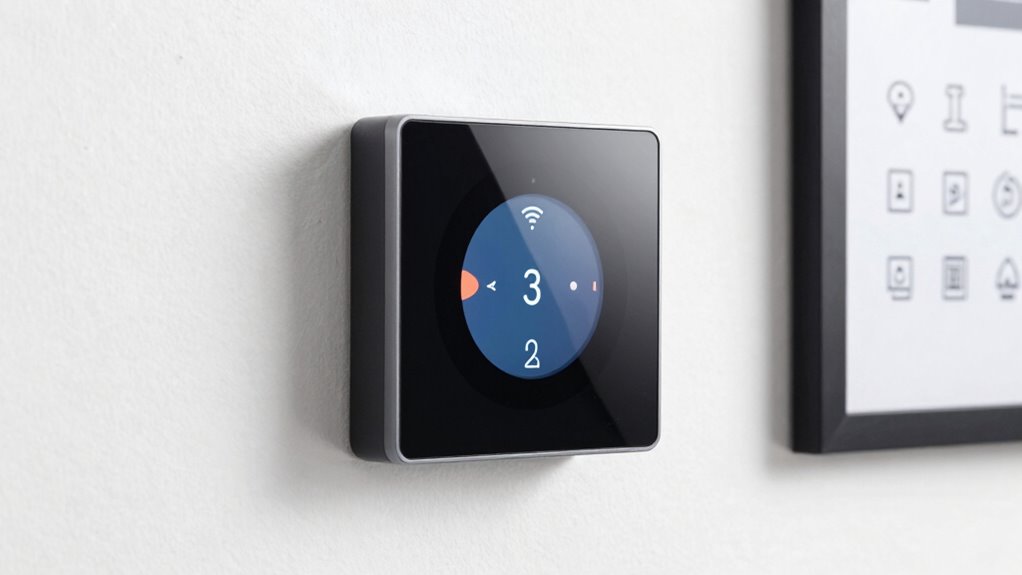
Picture yourself confidently attaching a sleek, glowing device to your wall, transforming your space. You can attempt a DIY smart thermostat installation, but watch out for installation challenges and wiring compatibility issues. If your wiring is outdated or complex, you might struggle or risk damaging your system. Carefully read the instructions, turn off power, and consider seeking professional help if you’re unsure—safety and proper setup are key for a smooth upgrade.
How Do Smart Thermostats Integrate With Existing Home Automation Systems?
You can integrate smart thermostats with your existing home automation systems easily, often through compatible apps or hubs. Once connected, you can control your thermostat via voice control, making it simple to adjust temperatures hands-free. This integration helps you optimize energy savings by scheduling and remote adjustments, ensuring your home stays comfortable while reducing energy costs. Make sure your system supports the thermostat’s compatibility for seamless integration.
C-wire adapter for smart thermostats
As an affiliate, we earn on qualifying purchases.
As an affiliate, we earn on qualifying purchases.
Conclusion
Now that you understand the basics of smart thermostat compatibility, you’re armed with the knowledge to transform your home into a futuristic haven. Remember, choosing the right thermostat isn’t just a minor decision—it’s like wielding a magic wand that can save you money, boost comfort, and even save the planet. Don’t settle for less; aim for a smart home that’s as intelligent and adaptable as you are. The future of comfort is in your hands!
best smart thermostats for old HVAC systems
As an affiliate, we earn on qualifying purchases.
As an affiliate, we earn on qualifying purchases.
smart thermostat installation kit
As an affiliate, we earn on qualifying purchases.
As an affiliate, we earn on qualifying purchases.
NFL season / tailgating Picks
team gear
As an affiliate, we earn on qualifying purchases.