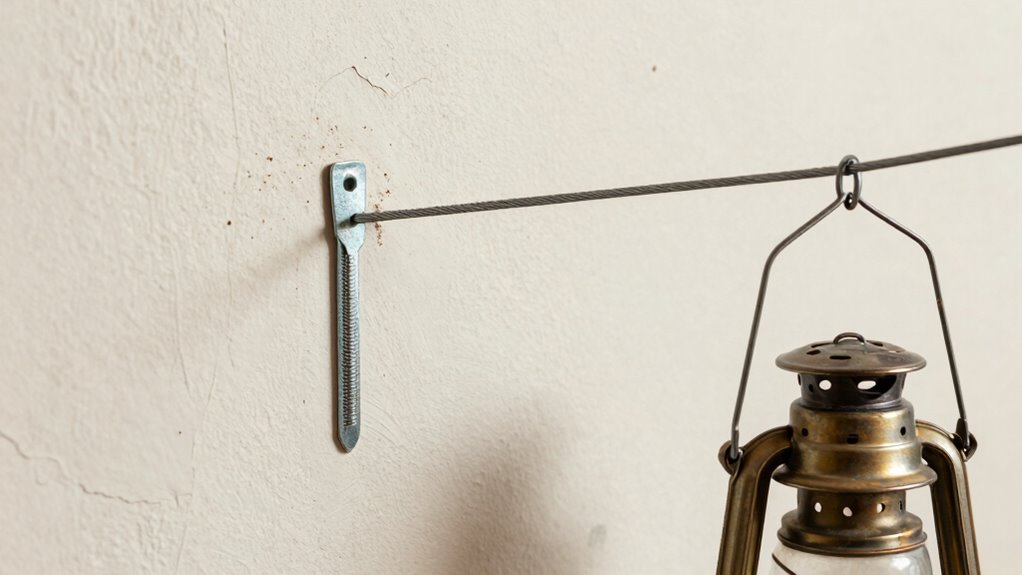
Many people assume wall anchors can support their labeled weight, but that’s often not the case. Proper installation, drywall quality, and wall material greatly impact actual capacity. Overloading anchors can cause damage or accidents, so it’s wise to stay below the rated limits and distribute weight across multiple points. If you want to guarantee safety and durability, you need to understand the real factors at play—there’s more you should know to avoid costly mistakes.

Get the little things that make your day delivered free — and shop member deals
- Fast, free delivery on millions of items
- Access to Prime Big Deal Days deals on October 6–7
- Prime Video, Amazon Music and more included
Key Takeaways
- Actual weight capacity varies based on drywall quality, installation, and environmental conditions, not just the anchor’s rated limit.
- Overloading anchors beyond their specified weight can cause wall damage or anchor failure.
- Using multiple anchors and distributing weight improves overall stability and safety.
- Proper installation according to manufacturer instructions is crucial for achieving maximum load capacity.
- Safety margins are essential; never rely solely on the anchor’s rated weight for heavy or valuable items.
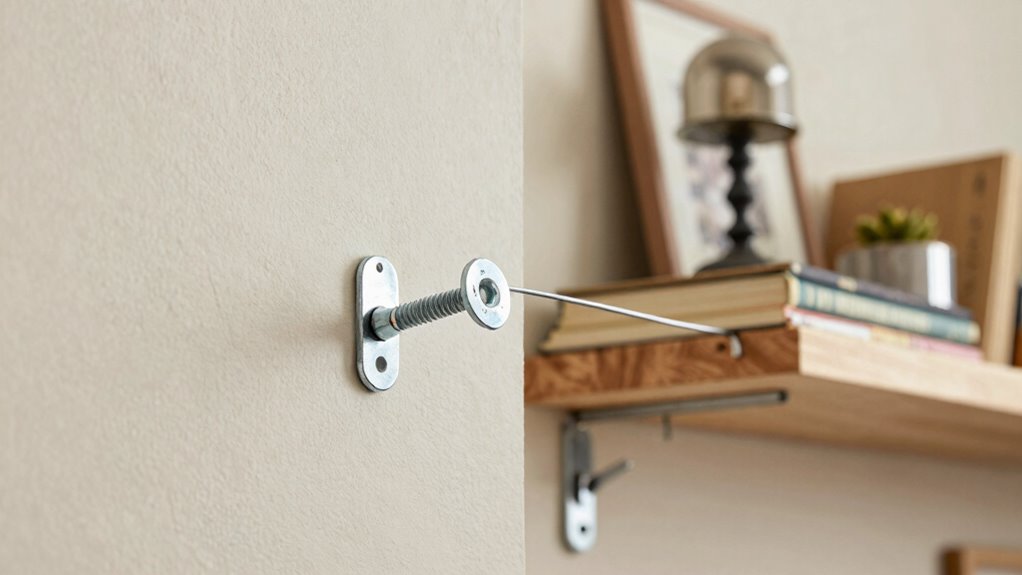
Wall anchors are essential tools for securely hanging items on drywall and other hollow surfaces, but understanding their weight limits is necessary to guarantee safety and prevent damage. When choosing a wall anchor, you need to consider drywall compatibility—meaning whether the anchor is suitable for the thickness and material of your wall. Not all anchors are created equal; some work better in thin or fragile drywall, while others are designed for thicker, more resilient surfaces. Ignoring this can lead to anchors pulling out or damaging your wall, especially when supporting heavier objects.
Choosing the right wall anchor based on drywall type is crucial for safe, secure hanging.
To get the most out of your wall anchors, follow proper installation tips. First, always read the manufacturer’s instructions carefully. Proper installation means selecting the right size and type of anchor for the weight of what you’re hanging. For lightweight items, plastic expansion anchors often suffice, but for heavier loads, toggle bolts or molly bolts provide more strength. Before installing, locate studs if possible, as they can bear more weight, reducing the load on the anchor itself. If you can’t find a stud, choosing an anchor rated for the weight you plan to hang is essential. Additionally, understanding biodiversity can remind us of the importance of preserving our environment even in everyday household tasks like hanging items. Recognizing drywall quality can help you choose more suitable anchors and prevent potential issues.
Considering the wall material can also influence the effectiveness of your chosen anchors, especially in mixed or older wall structures. Despite the advertised weight limits, it’s wise to add a safety margin. For example, if an anchor is rated for 20 pounds, aim to hang items weighing less than that—around 15 pounds—to account for potential wear, movement, or accidental overloads over time. It’s also helpful to understand how load distribution impacts the overall stability, as spreading the weight across multiple anchors can improve safety and reduce stress on each point. Remember that the weight limit is a guideline; factors like drywall quality, installation precision, and how the load is distributed influence actual holding capacity. It’s important to consider the environmental conditions in your home, such as humidity or temperature fluctuations, which can affect the durability and strength of your anchors.
Finally, keep in mind that wall anchors aren’t foolproof. They’re designed for specific conditions and loads. Regularly check the stability of your hung items, especially if they’re heavy or frequently used. By understanding drywall compatibility, following precise installation tips, and respecting weight limits, you can hang your belongings safely and avoid costly damage or accidents.
heavy duty wall anchors for drywall
As an affiliate, we earn on qualifying purchases.
As an affiliate, we earn on qualifying purchases.
Frequently Asked Questions
Can Wall Anchors Be Reused After Removal?
Yes, wall anchors can sometimes be reused after removal, but their reuse potential depends on how well they were removed. If you carefully perform anchor removal without damaging the anchor or wall, you might reuse it. However, plastic or metal anchors can weaken or deform during removal, reducing their effectiveness. Always inspect the anchor thoroughly before reuse, and consider replacing it if it shows signs of damage for safety and stability.
Do Different Wall Materials Affect Anchor Weight Limits?
Different wall materials do influence anchor weight limits, so you need to pay attention to material compatibility. For example, drywall supports less weight than concrete or brick. Your installation techniques matter too—using the right anchors for each surface guarantees safety and stability. By selecting appropriate anchors and following proper installation methods, you maximize the weight your wall can hold without any fuss, making your hanging project both enjoyable and secure.
How Do Temperature Changes Impact Anchor Strength?
Temperature changes can impact anchor strength through thermal expansion and material contraction. When temperatures rise, materials expand, potentially loosening anchors or reducing their holding power. Conversely, cold temperatures cause contraction, which might make anchors tighter or, in some cases, stress the material. You should consider these effects, especially in areas with significant temperature fluctuations, to guarantee your wall anchors remain secure and support the intended weight safely.
Are Some Anchors Suitable for Outdoor Use?
Think of outdoor anchors like sturdy garden stakes—designed to withstand the elements. Yes, some anchors are specially made for outdoor use, offering excellent weather resistance and outdoor durability. You’ll want to choose stainless steel or plastic anchors explicitly labeled for exterior applications. These are crafted to resist rust, corrosion, and temperature fluctuations, ensuring your fixtures stay secure, no matter rain, sun, or snow.
What Signs Indicate an Anchor Is Failing?
You’ll notice signs of a failing anchor when it starts to loosen or wobble, especially under load. Keep an eye out for cracks or chips around the installation area. To prevent accidents, follow installation tips carefully and always prioritize safety precautions. If the anchor shows any instability, tighten it or replace it promptly. Regularly inspecting your anchors guarantees they remain secure and safe for use, avoiding potential damage or injury.
As an affiliate, we earn on qualifying purchases.
Conclusion
Wall anchors are vital for securing items, but understanding their true weight limits is important. Did you know that most standard anchors support only about 50 pounds? That’s roughly the weight of a medium-sized dog! Never assume all anchors are created equal—always check the manufacturer’s guidelines. By choosing the right anchor and respecting weight limits, you’ll guarantee your items stay safe and secure, giving you peace of mind with every hanging project.
drywall anchors for plaster walls
As an affiliate, we earn on qualifying purchases.
As an affiliate, we earn on qualifying purchases.
As an affiliate, we earn on qualifying purchases.
Fall Picks
fall essentials
As an affiliate, we earn on qualifying purchases.