

Understanding heart rate zones can transform your workouts. These zones match exercise intensity to your fitness goals, from recovery to maximum effort. Zone 1 is for easy activities, while Zones 2 and 3 boost endurance. Higher Zones 4 and 5 push your speed and performance. Monitoring your heart rate in these zones helps you train smarter, preventing burnout and maximizing results. You’ll discover how to implement this powerful tool and enhance your training.
Key Takeaways
- Heart rate zones categorize exercise intensity into five levels, each targeting different fitness benefits and energy systems.
- Zone 1 is for recovery, while Zone 2 focuses on endurance and fat burning.
- Zone 3 enhances aerobic capacity, and Zone 4 increases speed and performance.
- Zone 5 represents maximum effort, developing peak power and speed.
- Monitoring your heart rate helps tailor workouts to specific goals, preventing burnout and improving training effectiveness.
![Apple Watch Series 11 [GPS 42mm] Smartwatch with Rose Gold Aluminum Case with Light Blush Sport Band - S/M. Sleep Score, Fitness Tracker, Health Monitoring, Always-On Display, Water Resistant](https://m.media-amazon.com/images/I/31J+F-pXaWL._SL500_.jpg)
Apple Watch Series 11 [GPS 42mm] Smartwatch with Rose Gold Aluminum Case with Light Blush Sport Band – S/M. Sleep Score, Fitness Tracker, Health Monitoring, Always-On Display, Water Resistant
HYPERTENSION NOTIFICATIONS — Apple Watch Series 11 can spot signs of chronic high blood pressure and notify you…
As an affiliate, we earn on qualifying purchases.
As an affiliate, we earn on qualifying purchases.
How Heart Rate Zones Can Transform Your Training

While many athletes focus solely on their mileage or workout duration, understanding heart rate zones can greatly elevate your training. By monitoring your heart rate, you can tap into the heart rate benefits that come with training at specific intensities. This approach allows you to optimize your workouts, ensuring you’re pushing yourself in the right areas without overexerting. You’ll find that having clear heart rate targets boosts your training motivation, as you can track progress more effectively. Knowing when to push harder or ease back keeps you engaged and helps prevent burnout. Embracing heart rate zones as part of your routine not only enhances performance but also makes your training more enjoyable and purposeful.

Garmin® HRM 600 Premium Heart Rate Monitor, Accurate Heart Rate and HRV Data, Running Dynamics, Stand-Alone Activity Recording, M-XL
Sends accurate real-time heart rate and HRV data to compatible Garmin smartwatches and cycling computers, fitness equipment, and…
As an affiliate, we earn on qualifying purchases.
As an affiliate, we earn on qualifying purchases.
Finding Your Perfect Heart Rate Zones
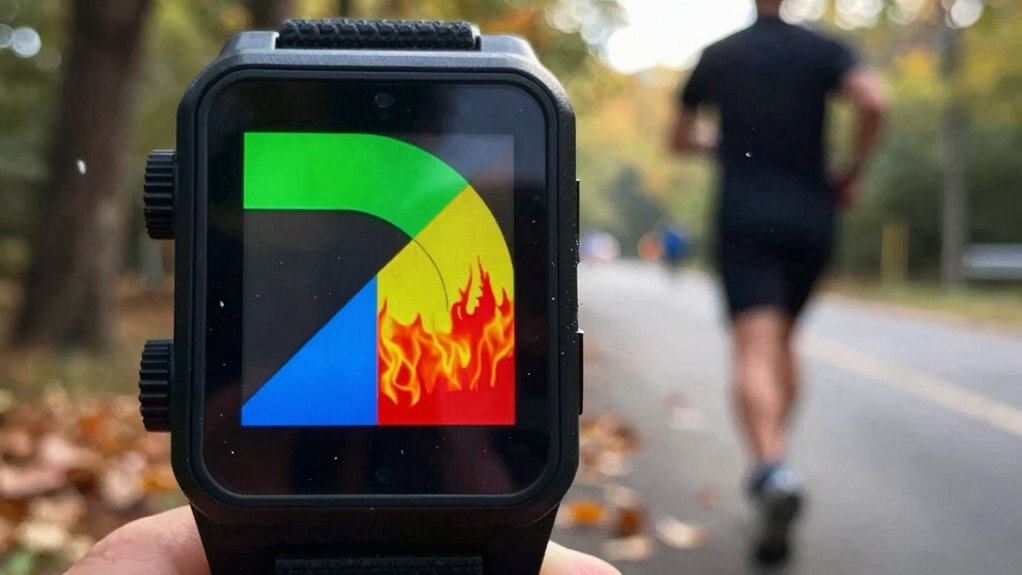
To truly harness the benefits of heart rate training, you need to pinpoint your individual heart rate zones. Start by determining your maximum heart rate, which you can estimate by subtracting your age from 220. Once you have that, you can find your resting heart rate by checking your pulse first thing in the morning. This information helps you establish your target zones tailored to your fitness goals. Knowing your heart rate zones allows you to optimize workouts, ensuring you’re pushing hard enough to improve but not overexerting yourself. Regularly tracking your heart rate during exercises can help you stay within these zones, ultimately making your training more effective and aligned with your aspirations. Understanding heart rate zones can also help prevent overtraining and reduce injury risk.

Garmin Forerunner 55, GPS Running Watch with Daily Suggested Workouts, Up to 2 Weeks of Battery Life, Black – 010-02562-00
Easy-to-use running watch monitors heart rate (this is not a medical device) at the wrist and uses GPS…
As an affiliate, we earn on qualifying purchases.
As an affiliate, we earn on qualifying purchases.
Exploring the Five Key Heart Rate Zones

Understanding the five key heart rate zones is essential for maximizing your workouts and achieving your fitness goals. Each zone plays a unique role in your training regimen. The first zone focuses on recovery workouts, helping your body heal while keeping your heart rate low. The second zone enhances aerobic capacity, perfect for endurance training. The third zone pushes your limits, improving performance through higher intensity workouts. The fourth zone is where you build speed and power, ideal for interval training. Finally, the fifth zone, often reserved for short bursts, is all about maximizing effort. By exploring these zones, you can tailor your training to meet your specific needs, ensuring balanced progress and improved fitness.

COOSPO HW9 Heart Rate Monitor Bluetooth ANT+ Armband with Accurate HR Zones/Calories Burned Data, HRM Optical Sensor for Fitness Training/Cycling/Running,Compatible with Peloton,DDP Yoga,Wahoo APP
±1BPM OPTICAL HEART RATE ARMBAND & CALORIE TRACKER: COOSPO HW9 heart rate armband uses optical heart rate technology…
As an affiliate, we earn on qualifying purchases.
As an affiliate, we earn on qualifying purchases.
Benefits of Training in Different Heart Rate Zones

Training in different heart rate zones offers a range of benefits that can enhance your overall fitness and performance. When you engage in varied intensity levels, you’ll experience recovery benefits that help your body bounce back quicker. Working in the moderate zones can lead to endurance improvement, enabling you to tackle longer workouts. The higher zones are great for fat burning, pushing your metabolism into overdrive. You’ll notice a performance boost as your cardiovascular health improves, allowing you to exercise more efficiently. Plus, varying your heart rate can lead to stress reduction and increased mental clarity, keeping you focused and motivated. Incorporating balance and motivation techniques into your routine can further optimize your workouts and make fitness more enjoyable, too!
Implementing Heart Rate Zone Training in Your Workouts
To get the most out of heart rate zone training, start by choosing the zone that aligns with your fitness goals. From there, tailor your workouts to keep you in that zone, whether you’re aiming for fat loss or endurance. Regularly monitoring your progress will help you adjust your training as needed and stay on track.
Choose Your Zone
How can you effectively implement heart rate zone training in your workouts? First, focus on zone selection based on your fitness goals. Determine whether you want to build endurance, improve speed, or burn fat. Each goal corresponds to different intensity levels, so choose a zone that aligns with your objectives.
For example, if you’re looking to enhance your endurance, aim for a moderate zone that keeps your heart rate at 70-80% of its maximum. Alternatively, for fat burning, stick to a lower zone of 60-70%.
Before diving into your workout, spend a few minutes warming up. This will prepare your body for the intensity levels you plan to target. Remember, consistency in training within your chosen zone is key to progress.
Tailor Workouts Accordingly
Once you’ve selected your heart rate zone, it’s time to tailor your workouts to maximize results. Focus on customized training that aligns with your specific fitness goals. If you’re aiming for fat loss, incorporate steady-state cardio in your moderate zone. For building endurance, mix in intervals that push you into higher zones. Strength training can also benefit; aim for explosive movements at a higher heart rate to enhance your overall performance. Listen to your body and adjust the intensity as needed. This way, you’ll guarantee that each workout is designed for peak performance, helping you progress efficiently. Remember, the key is to maintain variety while staying within your selected zones to keep the workouts effective and engaging. Understanding your heart rate zones can help you optimize your training and prevent overtraining or injury.
Monitor Progress Regularly
While you tailor your workouts to your heart rate zones, regularly monitoring your progress is essential for ensuring you’re on track to meet your fitness goals. Progress tracking helps you understand how effectively your training is working and if adjustments are needed. Schedule regular assessments every few weeks to evaluate your performance. This could involve checking your heart rate during workouts, noting changes in endurance, or tracking your overall fitness levels. By staying consistent with these assessments, you’ll gain valuable insights into your body’s response to training. Plus, it keeps you motivated, as you can visually see your improvements over time. Embrace this process, and you’ll set yourself up for success in your fitness journey.
Debunking Myths About Heart Rate Training

Though many people believe heart rate training is only for elite athletes, it’s actually beneficial for anyone looking to improve their fitness. Let’s tackle some common misconceptions through myth busting.
| Myth | Reality |
|---|---|
| Only elite athletes need HR training | Anyone can benefit from understanding HR zones |
| HR training is too complicated | It’s simple once you grasp the basics |
| You need fancy equipment | Basic tools like a watch or smartphone work |
| You can’t train with injuries | HR training can be modified for injuries |
| Higher heart rate equals better workout | Quality matters more than just intensity |
Tips for Monitoring Your Heart Rate Effectively
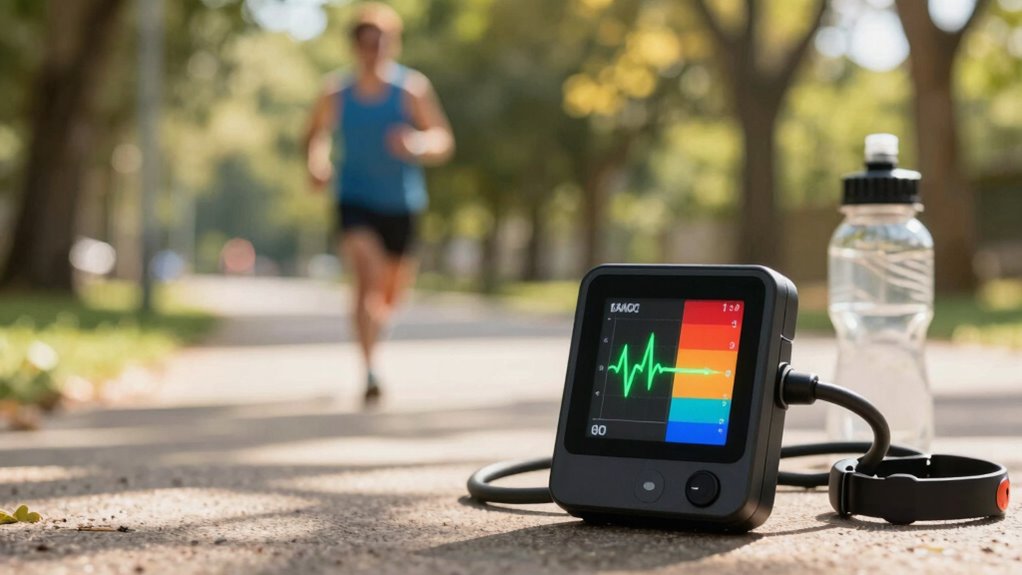
To effectively monitor your heart rate, it’s important to choose a method that fits your lifestyle and preferences. Here are some tips to help you get started:
- Wearable Technology: Invest in a fitness tracker or smartwatch that monitors your heart rate and heart rate variability in real-time.
- Regular Checks: Take a moment during workouts to check your heart rate, ensuring you’re in the desired zone.
- Use Apps: Download apps that provide insights into your heart rate data, making it easy to track progress and adjust workouts.
- Know Your Zones: Familiarize yourself with your heart rate zones to optimize your training and recovery sessions.
Frequently Asked Questions
Can Heart Rate Zones Vary Between Individuals?
Yes, heart rate zones can vary between individuals. Your fitness levels play a significant role in determining these zones, as someone who’s more conditioned will have different thresholds compared to someone just starting their fitness journey. Individual differences, such as age, genetics, and overall health, also influence how your heart responds during exercise. Understanding your unique heart rate zones helps you optimize your workouts and achieve better results tailored to your personal fitness goals.
How Often Should I Check My Heart Rate During Workouts?
You should check your heart rate regularly during workouts to gauge your workout intensity. Aim for frequency checks every 5 to 10 minutes, especially during high-intensity intervals. This way, you can guarantee you’re staying within your target heart rate zone and adjust your effort as needed. By monitoring your heart rate, you’ll improve your performance, maximize your results, and stay safe throughout your exercise routine. Keep it consistent for the best outcomes!
What Should I Do if My Heart Rate Is Too High?
If your heart rate‘s too high, it’s time to cool down. Gradually reduce your workout intensity and focus on deep breathing. Hydration’s also essential, so sip water to rehydrate your body. You might want to pause for a few minutes until your heart rate stabilizes. Don’t hesitate to take a break if you feel lightheaded or dizzy. Always listen to your body; it knows best when to slow down.
Do Heart Rate Zones Change as I Get Fitter?
Absolutely, your heart rate zones will shift as you commence your fitness progression journey. As you get fitter, your heart adapts, becoming more efficient at pumping blood. This means that what once felt like a challenging intensity might become your new comfort zone. So, as you embrace your workouts, don’t be surprised if you find yourself pushing harder while still feeling good. It’s all part of your body’s amazing ability to evolve!
Can I Train in Multiple Heart Rate Zones During One Session?
Yes, you can definitely train in multiple heart rate zones during one session! Interval training is a perfect way to achieve this. By alternating between high-intensity bursts and lower-intensity recovery periods, you engage different zones effectively. Mixed workouts, combining strength and cardio, also help you tap into various heart rate zones. This approach not only boosts your fitness but keeps your workouts interesting and effective. So, go ahead and mix it up!
Conclusion
So, now that you’ve revealed the secrets of heart rate zones, what’s stopping you from transforming your workouts? Imagine pushing through a tough session, feeling the rush as you hit that sweet spot in your heart rate. The journey to mastering your training awaits, but only if you take the leap. Are you ready to access your true potential? Immerse yourself in heart rate zone training, and watch your fitness goals become a thrilling reality.