
Hydration’s key for your health, but how much water’s enough? The classic rule is about eight 8-ounce glasses a day, yet your needs may vary based on factors like climate, activity level, and age. Thirst is an important indicator, but you should pay attention to other signs like dark urine or fatigue. Remember, not all fluids come from water; many fruits and veggies can hydrate you too. Keep learning about how hydration affects you and your lifestyle.
Key Takeaways
- Aim for about eight 8-ounce glasses of water daily, but individual needs vary based on factors like climate, activity level, and health status.
- Fresh water, fruits, vegetables, herbal teas, and soups contribute significantly to overall hydration.
- Listen to your body; thirst, dry mouth, and dark urine are key signs of dehydration.
- Athletes require more hydration due to increased fluid loss from sweating, necessitating tailored hydration strategies.
- Developing consistent hydration habits, such as carrying a water bottle, helps maintain adequate fluid intake.

Sahara Sailor Water Bottle 32oz, Durable and Leakproof Water Bottles Motivational with Time Marker, Tritan, BPA Free, Wide Mouth with Easy Clean Brush for Gym, Travel, Home, School, Office (1 Bottle)
Stay Hydrated Throughout the Day: staying hydrated is often easier said than done. With the Sahara Sailor clear…
As an affiliate, we earn on qualifying purchases.
As an affiliate, we earn on qualifying purchases.
Understanding Hydration: Why It Matters
Hydration is essential for your overall health and well-being. Staying properly hydrated offers numerous hydration benefits, such as improved energy levels, enhanced cognitive function, and better digestion. However, many people fall prey to hydration misconceptions. You might think you only need water when you’re thirsty or that all beverages count equally. In reality, your body needs a consistent intake of fluids to maintain peak function. Dehydration can lead to fatigue, headaches, and poor concentration, impacting your daily life. By understanding the importance of hydration and debunking these misconceptions, you can make informed choices about your fluid intake. Remember, prioritizing hydration isn’t just about quenching thirst; it’s about supporting your body’s essential processes every day.

BOOST Smart Water Bottle with Reminder & Tracker, Double Wall Vacuum Insulated Bottles Stainless Steel, 32oz BPA-Free Wide Mouth for Gym, Office, School, Ideal Gift for Christmas, New Year
IDEAL FOR YOUR LOVERS: Given its combination of smart features, excellent insulation, and stylish design, the BOOST water…
As an affiliate, we earn on qualifying purchases.
As an affiliate, we earn on qualifying purchases.
How Much Water Should You Really Drink?
When it comes to staying hydrated, knowing how much water you should drink daily is essential. Your hydration needs can vary based on factors like activity level and climate, so it’s important to listen to your body. You should also be aware of the signs of dehydration to guarantee you’re meeting your needs effectively.
Daily Water Intake Guidelines
Understanding how much water you should drink daily is crucial for maintaining your overall health. While the classic recommendation is about eight 8-ounce glasses, individual needs can vary. Consider these hydration sources:
- Fresh, clean water is essential for ideal water quality.
- Fruits and vegetables contribute valuable hydration.
- Herbal teas can be a soothing way to increase intake.
- Soups and broths can boost your overall fluid consumption.
Listen to your body; thirst is a good guide. Remember, if you’re active or live in a hot climate, you’ll likely need more. Make it a habit to carry a water bottle with you, ensuring you stay hydrated throughout the day. Prioritize your hydration, and you’ll feel the difference!
Factors Influencing Hydration Needs
Several factors can affect how much water you really need to drink. Climate conditions play a huge role; hot or humid weather increases your need for hydration. If you’re physically active, you’ll require more water to replace what you lose through sweat. Age factors also matter; older adults often need to drink more as their sense of thirst diminishes. Your health status can influence hydration needs, especially if you’re ill or taking certain medications. Additionally, body composition and gender differences affect water requirements—generally, men need more than women. Altitude effects can lead to increased fluid loss as well. Finally, dietary influences, like high-sodium or protein-rich foods, can affect how much water you should consume. Stay mindful of these factors to stay properly hydrated.
Signs Of Dehydration Awareness
Recognizing the signs of dehydration is crucial for maintaining your overall health. If you notice any of these dehydration symptoms, it’s time to pay attention to your water intake:
- Dry mouth and throat
- Dark yellow urine
- Fatigue and dizziness
- Headaches
These signs indicate your body’s crying out for hydration. Ignoring them can lead to serious health issues. Aim to drink enough water daily to prevent dehydration and keep your energy levels up. Remember, your body needs adequate hydration to function effectively. By listening to your body and acting on these signs, you can guarantee you stay healthy and energized. Hydration balance is essential for optimal performance and well-being. Don’t underestimate the importance of water—it’s essential for your well-being!

Zulay Kitchen 34 oz Large, Leakproof Fruit Infuser Water Bottle with Anti-Slip Grip – Men and Women's Ideal Fitness Gift Or For Gym, Camping, and Travel – Sunrise Orange
REFRESHING AND FLAVORFUL DRINKING: Say goodbye to tasteless water and fill this infuser water bottle with lemon, blueberry,…
As an affiliate, we earn on qualifying purchases.
As an affiliate, we earn on qualifying purchases.
Factors Influencing Your Hydration Needs
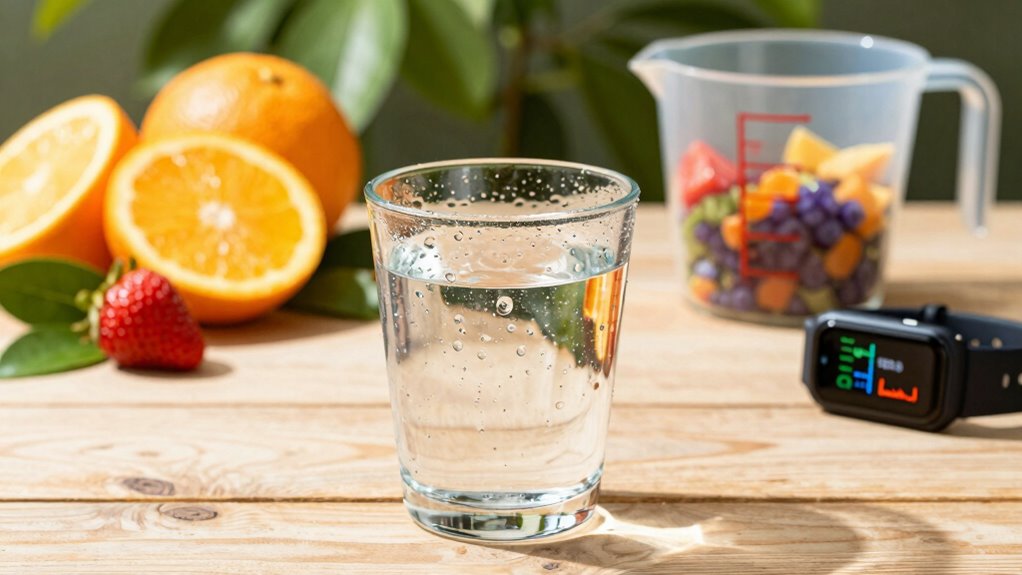
Your hydration needs can vary widely based on several key factors. Understanding these influences is essential for maintaining ideal hydration.
| Factor | Influence | Example |
|---|---|---|
| Age Factor | Older adults may need more water | Adults over 65 |
| Activity Level | Higher physical exertion increases need | Intense workouts |
| Climate Impact | Hot, humid weather raises requirements | Summer months |
| Health Conditions | Certain conditions can increase needs | Diabetes, fever |
Seasonal variations and gender differences also play a role. Men generally require more hydration than women. Dietary influences, such as high salt intake, can further affect your hydration. Finally, altitude effects can increase your body’s fluid needs, especially in higher elevations.
BOOST Smart Water Bottle with Reminder & Tracker, Double Wall Vacuum Insulated Bottles Stainless Steel, 32oz BPA-Free Wide Mouth for Gym, Office, School, Ideal Gift for Christmas, New Year
IDEAL FOR YOUR LOVERS: Given its combination of smart features, excellent insulation, and stylish design, the BOOST water…
As an affiliate, we earn on qualifying purchases.
As an affiliate, we earn on qualifying purchases.
Common Hydration Myths: What You Should Really Know
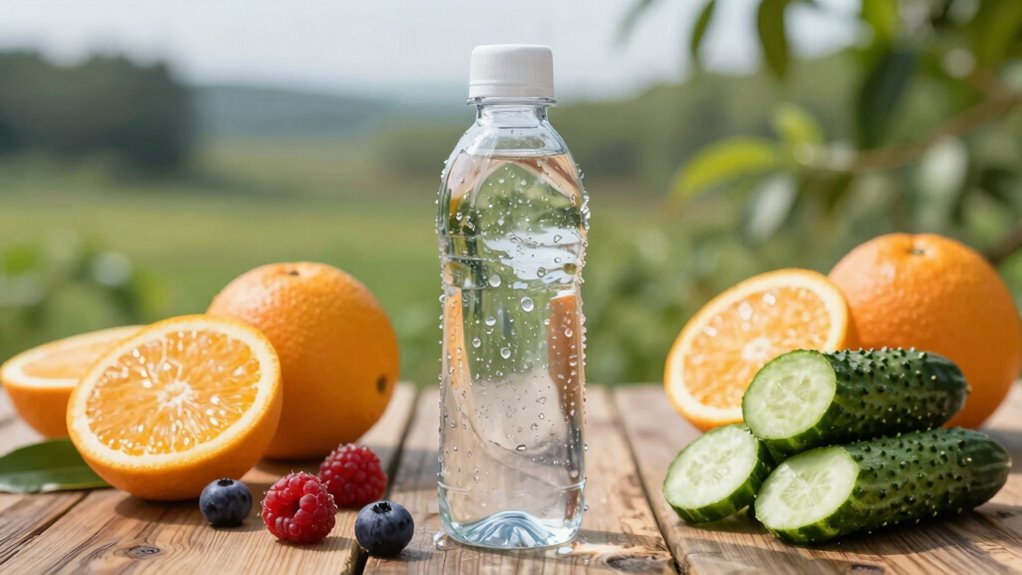
You’ve probably heard that you need to drink eight glasses of water a day, but that’s just one of many hydration myths. Thirst is often a better indicator of your hydration needs than a strict number. Plus, contrary to popular belief, caffeine doesn’t always lead to dehydration, so let’s set the record straight on these common misconceptions.
Eight Glasses Daily Myth
Although the idea that you need to drink eight glasses of water a day is widely accepted, it’s not a one-size-fits-all rule. Hydration science shows that your needs vary based on factors like activity level, climate, and individual health. Instead of fixating on that eight-glass benchmark, listen to your body. Additionally, indoor air quality, including factors like dust and humidity levels, can influence your hydration needs and overall health air quality. Consider these factors for your hydration needs:
- Your activity level: More exercise means more water.
- The climate: Hot or humid weather requires extra hydration.
- Your diet: High-sodium or protein-rich foods can increase water needs.
- Personal health: Certain conditions may affect your hydration.
Thirst Equals Hydration Truth
While many people believe that feeling thirsty is a sure sign of dehydration, this isn’t always the case. Thirst signals are your body’s way of communicating its need for hydration, but they don’t always indicate a critical lack of fluids. In fact, thirst can arise simply from having an imbalance in hydration levels, not necessarily from being dehydrated. It’s essential to listen to your body and understand that thirst is just one aspect of maintaining your hydration balance. Drinking when you feel thirsty is usually a good approach, but it’s also important to stay proactive about your fluid intake, especially during hot weather or after exercise. Remember, staying hydrated is about finding that perfect balance.
Caffeine Dehydrates You Misconception
Is caffeine really the villain when it comes to hydration? The truth might surprise you. While it’s true that caffeine can have mild diuretic effects, research shows that the caffeine effects in coffee and tea don’t greatly disrupt your hydration balance. In fact, these beverages can contribute to your daily fluid intake!
Additionally, hydration strategies involving a variety of fluids and foods are essential for maintaining optimal health and preparedness.
Recognizing Signs of Dehydration

How can you tell if your body is running low on fluids? Recognizing dehydration symptoms is essential for maintaining your health. You might notice your mouth feels dry or sticky, which is a sign you need to drink more water. Fatigue or dizziness can also indicate that you’re not adequately hydrated. Pay attention to the color of your urine; a darker shade usually means you need to hydrate. Additionally, if you experience headaches or increased thirst, it’s time to replenish your fluids. Staying aware of these signs enhances your hydration awareness, ensuring you address dehydration before it becomes a bigger issue. Remember, listening to your body is key to staying healthy and energized.
Daily Hydration Tips
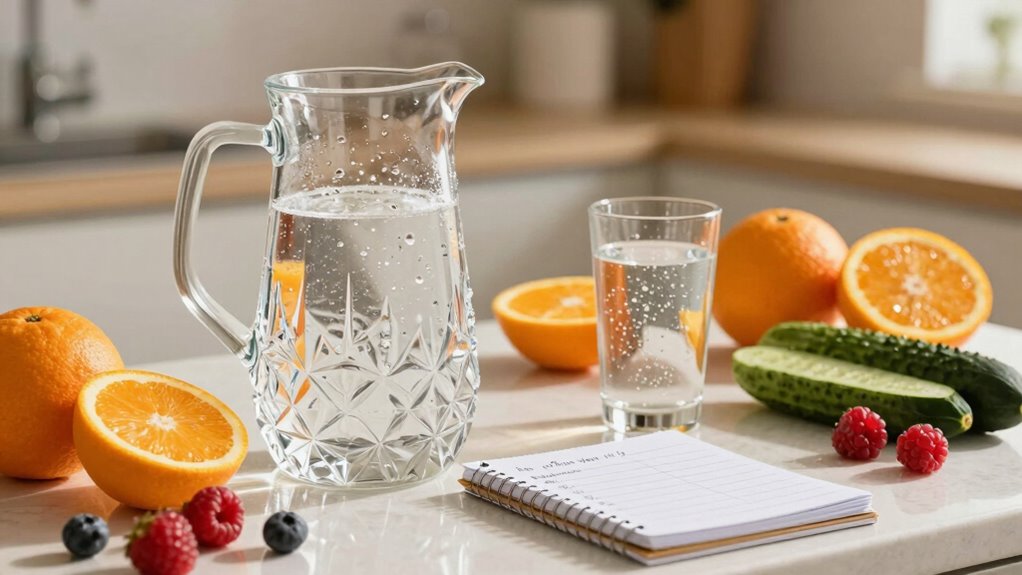
Recognizing the signs of dehydration is just the first step in maintaining proper hydration. To truly thrive, you need to develop solid hydration habits. Here are some daily tips to help you stay on track:
Understanding dehydration signs is crucial, but cultivating consistent hydration habits is essential for overall well-being.
- Carry a reusable water bottle to remind you to sip throughout the day.
- Infuse your water with fruits or herbs for a revitalizing twist—these water alternatives can make hydration enjoyable.
- Set reminders on your phone to drink water at regular intervals.
- Pay attention to your body; if you feel thirsty, don’t ignore it!
Hydration Needs: Athletes Compared to Sedentary Individuals
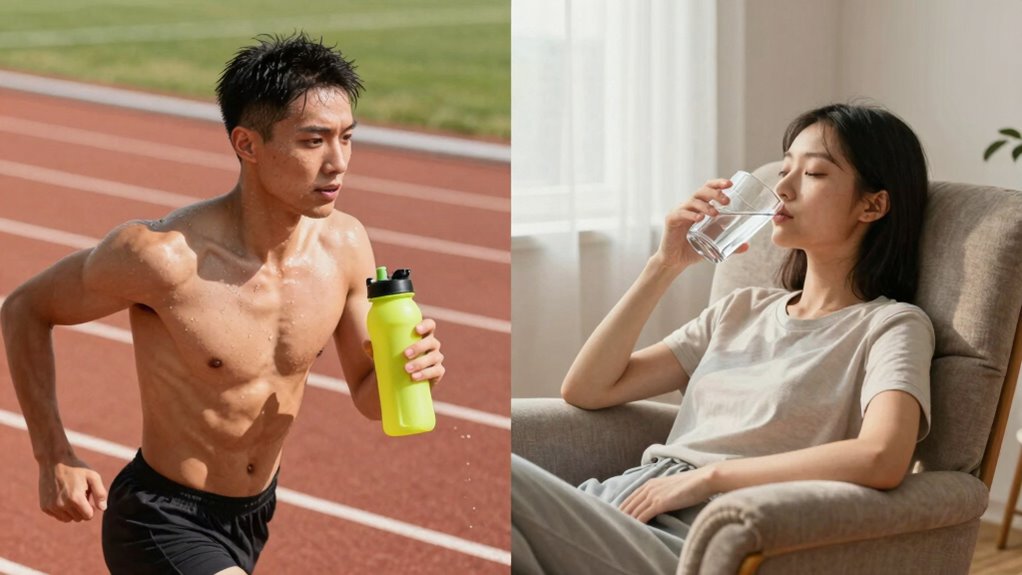
While both athletes and sedentary individuals require hydration, their needs differ markedly due to varying levels of physical activity. Athletes lose more fluids through sweat and require tailored hydration strategies to maintain peak performance. You need to drink more before, during, and after workouts to guarantee adequate athlete hydration. On the other hand, sedentary individuals typically don’t need as much fluid since their activity levels are lower. It’s essential for you to listen to your body; thirst is a good indicator. However, staying proactive about hydration can help prevent fatigue and improve overall health. Proper hydration is also crucial for mobility and confidence, especially as you age. So, whether you’re training hard or taking it easy, be mindful of your unique hydration needs to keep your body functioning well.
How Food Affects Your Hydration

Food plays an essential role in your hydration levels, as many foods contain significant amounts of water. Incorporating hydrating foods into your diet can boost moisture retention and keep you feeling refreshed. Think about how great it feels to enjoy:
Incorporating hydrating foods into your diet boosts moisture retention and keeps you feeling refreshed throughout the day.
- Juicy watermelon on a hot day
- Crisp cucumbers in your salad
- Zesty oranges for a midday snack
- Smooth soups that warm your soul
These foods not only quench your thirst but also provide essential nutrients. When you choose hydrating foods, you’ll likely find it easier to meet your hydration goals. Proper hydration can also support your immune system and overall health. So, focus on incorporating these delicious options into your meals, and watch how they enhance your overall well-being and energy levels throughout the day.
Tips for Making Hydration a Daily Habit

Establishing hydration as a daily habit can be simple and rewarding, especially when you incorporate a few easy strategies into your routine. Start by setting hydration reminders on your phone or using sticky notes in visible places. This will prompt you to drink water throughout the day. You might also find it helpful to keep a water bottle nearby—having it within arm’s reach makes it easier to sip regularly. If plain water doesn’t excite you, consider adding some flavor. Infuse your water with fruits like lemon or berries to make hydration more enjoyable. By following these tips, you’ll not only stay hydrated but also develop a sustainable habit that benefits your overall health.
Frequently Asked Questions
Can I Hydrate With Beverages Other Than Water?
Yes, you can hydrate with beverages other than water! There are plenty of hydration sources available, like herbal teas, coconut water, and even certain fruit juices. When you’re choosing your beverages, consider options that are low in sugar and high in electrolytes for better hydration. Just remember, while these drinks can contribute to your hydration, water should still be your primary choice for maintaining peak health. Stay refreshed and enjoy your beverage choices!
Does Hydration Affect My Skin Health?
Yes, hydration greatly affects your skin health. When you keep your body well-hydrated, you enhance skin elasticity, making it look plump and youthful. Make sure your hydration routine includes enough fluids throughout the day, as this helps maintain moisture levels in your skin. If you’re feeling dry or noticing fine lines, it might be time to reassess your hydration habits and incorporate more water or hydrating beverages into your daily intake.
Is It Possible to Overhydrate?
Yes, you can overhydrate! Overindulgence in hydration can lead to overhydration symptoms like headaches, nausea, and swelling. It’s essential to follow hydration guidelines, balancing your intake based on activity and climate. Keep an eye on your body’s signals; if you’re feeling excessively full or experiencing discomfort, it’s a sign to cut back. Remember, moderation is key to maintaining ideal hydration and health without tipping the scales into overhydration.
How Does Caffeine Impact Hydration Levels?
Caffeine can actually have a mild diuretic effect, leading to some hydration misconceptions. However, if you consume moderate amounts, like in coffee or tea, it won’t greatly dehydrate you. Your body adjusts to caffeine, and the fluids you intake from these beverages still contribute to your overall hydration. So, don’t worry too much; just balance your caffeine consumption with water, and you should be just fine!
What Are the Best Foods for Hydration?
Think of your body like a sponge—it needs the right foods to soak up hydration. For the best hydration sources, focus on hydrating fruits like watermelon, oranges, and strawberries. These fruits not only quench your thirst but also provide essential vitamins. Don’t forget veggies like cucumber and lettuce, which are also packed with water. Including these in your diet will keep you feeling refreshed and energized throughout the day!
Conclusion
So, there you have it—hydration isn’t just for camels or marathon runners! You don’t need to guzzle gallons of water like you’re preparing for a drought, but staying adequately hydrated is essential. Forget the myths; your body isn’t a desert! Just listen to it, and make hydration a habit. After all, you wouldn’t want to end up like that sad plant in the corner, would you? So grab a glass and toast to your well-hydrated self!