
Protein is an essential macronutrient your body needs for muscle repair, hormone production, and immune function. You should aim for about 0.8 grams of protein per kilogram of body weight daily, but this can vary based on age, activity level, and health goals. You can find protein in both animal and plant sources. To easily boost your intake, incorporate foods like Greek yogurt, eggs, and legumes into your meals. Stick around to discover more about protein types and best sources!
Key Takeaways
- Protein is an essential nutrient vital for body functions like tissue repair, enzyme production, and immune support.
- Daily protein needs vary based on factors like age, activity level, and health goals, averaging 0.8 grams per kilogram of body weight.
- Animal proteins offer complete amino acids, while plant proteins can achieve completeness through combinations, providing additional nutrients and fiber.
- Simple meal additions, like Greek yogurt, legumes, and eggs, can significantly boost protein intake in your diet.
- Distributing protein intake throughout the day enhances muscle recovery, energy levels, and supports fitness objectives.
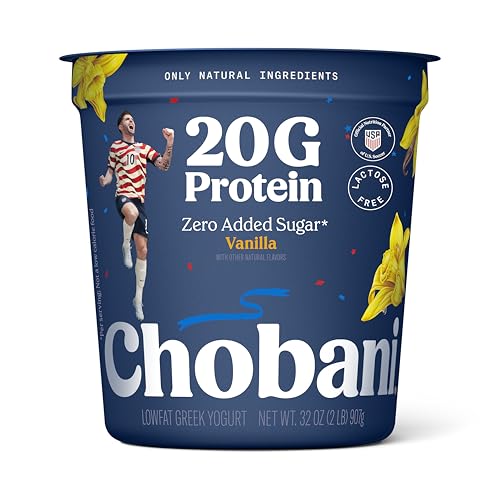
Chobani® 20g Protein Lowfat Greek Yogurt Vanilla 32oz
All natural ingredients
As an affiliate, we earn on qualifying purchases.
As an affiliate, we earn on qualifying purchases.
What Is Protein and Why Do You Need It?

Protein is an essential macronutrient that your body needs to function at its best. It plays an important role in various protein functions, including building and repairing tissues, producing enzymes and hormones, and supporting immune function. When you consume protein, your body breaks it down into amino acids, which are the building blocks for muscle and other critical structures. If you don’t get enough protein, you might experience protein deficiencies, leading to fatigue, weakened immunity, and muscle loss. Ensuring you have adequate protein intake helps maintain your overall health and energy levels. Incorporate a variety of protein sources in your diet, like lean meats, beans, and dairy, to support your body’s needs effectively.
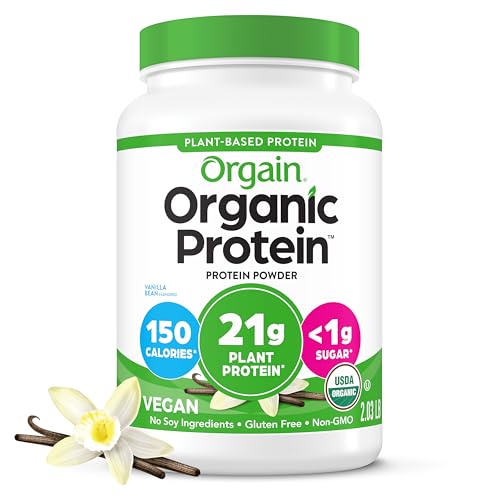
Orgain Organic Vegan Protein Powder, Vanilla Bean – 21g Plant Protein, 6g Prebiotic Fiber, No Lactose Ingredients, No Added Sugar, Non-GMO, For Shakes & Smoothies, 2.03 lb (Packaging May Vary)
CLEANER INGREDIENTS: 21g of Organic plant based protein and 1g sugar. Our protein blend contains Organic peas, brown…
As an affiliate, we earn on qualifying purchases.
As an affiliate, we earn on qualifying purchases.
How Much Protein Should You Consume Daily?
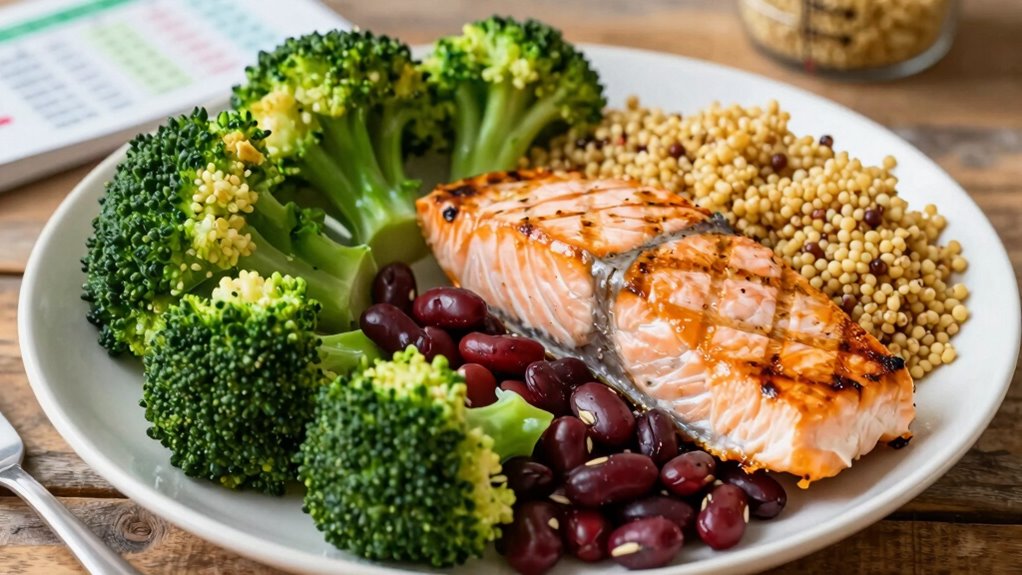
When it comes to your daily protein intake, understanding your specific needs is essential. Factors like your age, activity level, and health goals can greatly influence how much protein you should consume. Let’s explore what those daily requirements look like for you.
Daily Protein Requirements
Understanding your daily protein requirements is essential for maintaining ideal health and supporting your body’s functions. Generally, you should aim for about 0.8 grams of protein per kilogram of body weight. However, this can vary based on your activity level and goals. Prioritizing protein quality matters; focus on lean meats, dairy, legumes, and nuts to get the best nutrients. Additionally, consider protein timing—distributing your protein intake throughout the day can enhance muscle synthesis and recovery. For instance, consuming protein-rich meals or snacks every few hours helps maximize its benefits. By being mindful of how much protein you consume and when, you’ll support your overall health and optimize your body’s performance.
Factors Influencing Intake
Several factors can influence how much protein you should consume daily, including your age, sex, activity level, and specific health goals. Age factors play a role since younger individuals often need more protein for growth, while older adults require it for muscle maintenance. Your activity level also matters; if you’re more active, you’ll need additional protein to support muscle repair and energy. Dietary preferences, such as vegetarianism or veganism, can affect your protein sources, while underlying health conditions may require adjustments to your intake. Additionally, your lifestyle choices, like workout intensity and daily routines, will determine your protein needs. Don’t forget to take into account the environmental impact of your protein sources when making dietary decisions.

Just Bare® Natural Fresh Chicken Breast Fillets | No Antibiotics Ever | Boneless | Skinless | 1.125 LB
No antibiotics ever
As an affiliate, we earn on qualifying purchases.
As an affiliate, we earn on qualifying purchases.
Different Types of Protein: Animal vs. Plant-Based

When it comes to protein, you’ve got two main sources to contemplate: animal and plant-based. Each offers unique nutritional profiles, varying sources, and different levels of digestibility and absorption. Understanding these differences can help you choose the best protein options for your diet.
Nutritional Profiles Compared
How do the nutritional profiles of animal and plant-based proteins stack up against each other? Animal proteins generally offer higher protein quality, providing all essential amino acids your body needs in the right proportions. Foods like meat, eggs, and dairy are complete proteins, making them ideal choices for muscle repair and growth. On the other hand, plant-based proteins, such as beans, lentils, and quinoa, often lack one or more essential amino acids, which can lower their protein quality. However, by combining different plant sources, you can still achieve a complete amino acid profile. While animal proteins are often more efficient for immediate muscle use, plant-based options provide additional nutrients and fiber, promoting overall health. Choose what’s best for your lifestyle!
Sources of Protein
Protein sources can be broadly categorized into animal and plant-based options, each offering unique benefits. Animal-based proteins, like meat sources and dairy options, provide complete proteins, which means they contain all essential amino acids. Seafood choices also fall under this category, offering additional omega-3 fatty acids. On the plant side, you’ll find legume varieties, nut benefits, and seed sources, which can be excellent for building muscle and overall health. Whole food sources like quinoa and tofu are popular among plant-based eaters. Below is a quick comparison to help you decide:
| Animal Sources | Plant Sources | Protein Powders |
|---|---|---|
| Meat sources | Legume varieties | Whey |
| Dairy options | Nut benefits | Pea |
| Seafood choices | Seed sources | Soy |
| Whole food sources |
Digestibility and Absorption
While both animal and plant-based proteins play essential roles in nutrition, their digestibility and absorption rates can differ markedly. Animal proteins, like those found in meat, dairy, and eggs, generally offer a complete amino acid profile and are easier for your body to absorb. This means they can support effective protein synthesis more efficiently. On the other hand, plant-based proteins, such as those from beans and legumes, might lack one or more essential amino acids. However, they can still provide a great source of protein when combined properly. Your body can adapt and utilize these amino acids for muscle repair and other functions, but you may need to be more mindful of your combinations to guarantee peak absorption.

Muscletech HMB Supplements 1000mg, Clear Muscle (42 Liquid Softgels) – Highest Grade HMB for Lean Muscle & Recovery-HMB Free Acid Muscle Supplement-Help Decrease Muscle Breakdown – Packaging May Vary
Massive Gains in Lean Muscle: MuscleTech Clear Muscle contains a compound to help increase protein synthesis. Users gained…
As an affiliate, we earn on qualifying purchases.
As an affiliate, we earn on qualifying purchases.
How to Easily Add Protein to Your Meals

Adding protein to your meals doesn’t have to be complicated. You can easily boost your protein intake with a few simple additions. Here are three ideas to get you started:
- Incorporate Greek yogurt: Use it in smoothies or as a topping for fruit. It’s a delicious way to add protein-rich snacks to your day.
- Try legumes: Add beans or lentils to salads and soups. They’re not just filling but also packed with protein.
- Opt for eggs: Scramble, boil, or make an omelet. Eggs are versatile and can be included in many easy recipes.
These simple changes can make a big difference in your meals, keeping you satisfied and energized!
Debunking Common Protein Myths: What’s True and What’s Not?

Have you ever wondered what’s fact and what’s fiction when it comes to protein? You’re not alone! Myth busting around protein is essential to understanding what you really need. One common misconception is that more protein always equals more muscle. In reality, it’s about balance and overall diet. Another myth is that only animal sources provide complete protein. Many plant-based options, like quinoa and soy, offer complete profiles too! Some believe that eating protein before bed leads to weight gain, but that’s not necessarily true; it’s your total calorie intake that matters. By dispelling these protein misconceptions, you can make informed choices that suit your lifestyle without being misled by popular myths.
Choosing the Best Protein Sources for Your Life

How do you choose the best protein sources that fit your lifestyle? It’s all about balancing protein quality with your needs and preferences. Here are three tips to help you make informed choices:
- Prioritize Whole Foods: Opt for lean meats, fish, eggs, dairy, legumes, and nuts. These sources typically offer high protein quality, essential amino acids, and additional nutrients.
- Consider Plant-Based Options: If you’re vegetarian or vegan, explore quinoa, tofu, lentils, and chickpeas. They provide good protein quality when combined properly.
- Mind Your Protein Timing: Distribute your protein intake throughout the day to optimize muscle repair and growth. Eating protein-rich meals or snacks post-workout can enhance recovery.
Being aware of cold medication considerations and natural remedies can also support your overall health when managing your diet and lifestyle choices. Making thoughtful choices will support your health and fitness goals!
Frequently Asked Questions
Can Too Much Protein Be Harmful to Your Health?
Yes, too much protein can be harmful to your health. It may strain your kidneys, especially if you already have kidney issues. Additionally, excessive protein intake can lead to a decrease in bone density over time, as it may cause calcium loss. It’s important to balance your protein consumption with other nutrients to maintain overall health. So, pay attention to your intake and consult a healthcare professional if you have concerns.
How Does Protein Intake Affect Weight Loss?
Protein intake can boost your weight loss by promoting protein synthesis, which helps preserve muscle mass while you’re shedding fat. Timing matters too; spreading your protein consumption throughout the day can optimize muscle repair and growth. When you eat protein at regular intervals, your body stays in an anabolic state longer, enhancing fat loss. So, focus on integrating protein into your meals and snacks to maximize your weight loss efforts effectively.
What Are the Best Protein Sources for Vegetarians?
If you think finding protein sources as a vegetarian is impossible, think again! You’ve got fantastic options like legumes—beans, lentils, and chickpeas are protein-packed and versatile. Don’t forget about dairy alternatives; almond or soy milk, and Greek yogurt can boost your intake. Quinoa and tempeh are also stellar choices. Mix and match these sources to keep your meals exciting, nutritious, and full of flavor while reaching your protein goals!
Can Protein Supplements Replace Whole Foods?
Protein supplements can’t fully replace whole foods, but they can complement your diet. Whole foods provide essential nutrients and better protein quality, while supplements like whey or plant-based powders offer convenience. If you’re busy, these supplements can help you meet your protein needs, but don’t rely on them entirely. Aim for a balanced diet that includes various whole food sources alongside your preferred supplement types for ideal health and nutrition.
How Does Cooking Affect Protein Content in Foods?
Cooking can affect protein content mainly through protein denaturation, where heat alters the protein’s structure. This process can make proteins more digestible and accessible, enhancing their nutritional value. Different cooking methods, like boiling or grilling, impact protein differently; for instance, grilling can preserve more nutrients compared to boiling. So, when you cook your meals, consider how the method might change the protein’s quality, making it either more beneficial or less effective for your diet.
Conclusion
Incorporating protein into your diet doesn’t have to be complicated or boring. Imagine savoring a delicious, colorful salad topped with grilled chicken or a hearty lentil stew packed with veggies. You might think it’s tough to get enough protein, but with so many tasty options available, you can easily find meals that fit your lifestyle. Embrace the variety, enjoy your food, and fuel your body with the protein it craves for energy and strength!