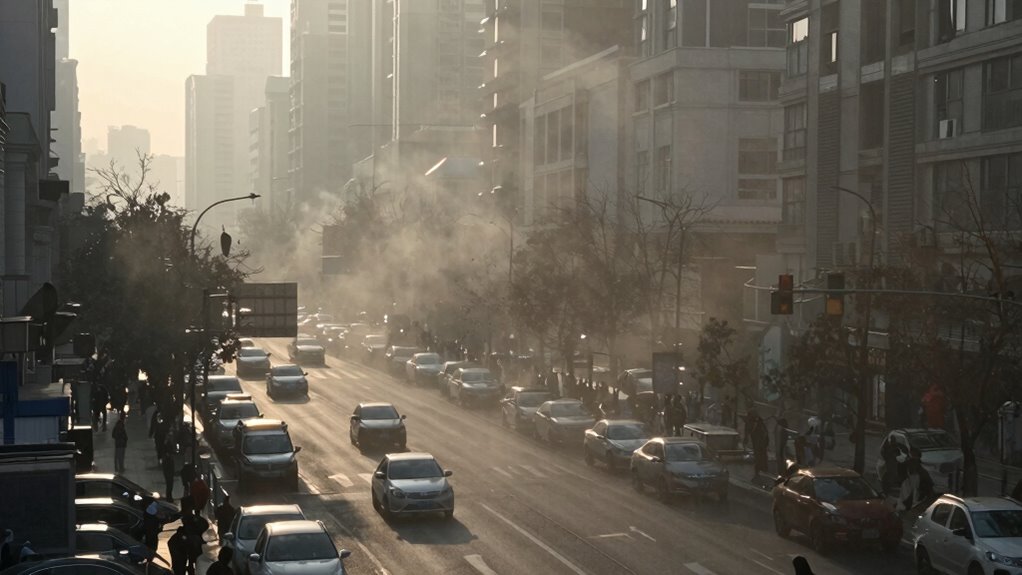

You should keep a close eye on PM2.5 because these tiny particles penetrate deep into your lungs and bloodstream, posing serious health risks like respiratory and heart problems. While PM10 particles are larger and generally less harmful, they can still affect your health, especially with frequent exposure. Monitoring both types is important for a clearer understanding of air quality. To learn more about how each impacts your health and safety, keep exploring further.
Key Takeaways
- PM2.5 particles are smaller and penetrate deeper into lungs and bloodstream, posing higher health risks than PM10.
- Monitoring PM2.5 is critical because it has a greater impact on respiratory and cardiovascular health.
- PM10 includes larger particles that primarily affect the upper respiratory tract but still pose health concerns.
- Both particle types influence air quality and visibility; focus on PM2.5 for more severe health implications.
- Prioritize PM2.5 in pollution reduction efforts due to its deeper lung penetration and associated health dangers.

Air Purifiers for Home Large Room up to 2180 Sq Ft, DBFIT HEPA Air Purifier with Washable Nylon Pre-Filter, PM2.5 Air Quality Sensor, Air Cleaner for Pet Hair, Odor, Smoke, Dust, Pollen AP2410
POWERFUL AIR CLEANING FOR LARGE ROOMS – Breathe easier with the 2025 DBFIT AP2410 Air Purifier, designed with…
As an affiliate, we earn on qualifying purchases.
As an affiliate, we earn on qualifying purchases.
What Are PM2.5 and PM10 Particles?

Have you ever wondered what those tiny particles in the air really are? PM2.5 and PM10 are types of airborne particles classified by their size. PM2.5 particles are smaller than 2.5 micrometers, while PM10 particles are up to 10 micrometers in diameter. Their particle composition varies, including substances like soot, dust, pollen, and chemicals. These particles originate from different sources of pollution, such as vehicle emissions, industrial processes, construction activities, and natural events like wildfires. Because of their small size, PM2.5 particles can penetrate deeper into your lungs, making them more concerning for health. Understanding what these particles are helps you recognize the importance of monitoring air quality and the pollution sources contributing to these tiny airborne contaminants. The contrast ratio of the air quality can influence how pollutants like PM2.5 are perceived and their potential health impacts. Additionally, awareness of air quality metrics can aid in evaluating pollution levels and potential health risks. Recognizing pollutant sources can help in taking targeted steps to improve indoor air quality and reduce exposure.

Temtop PM2.5 Monitor P600, Essential Air Particle Meter PM2.5 PM10 Air Quality Tester for Indoor/Outdoor Air Pollution Detection, Particle-Centric Detector w/Data Histogram Display
UPGRADED SENSOR: Adopting Temtop second-generation PM2.5 particle laser sensor, directly transform the PM2.5 & PM10 concentration into visual…
As an affiliate, we earn on qualifying purchases.
As an affiliate, we earn on qualifying purchases.
Why Do PM2.5 and PM10 Matter for Your Health?
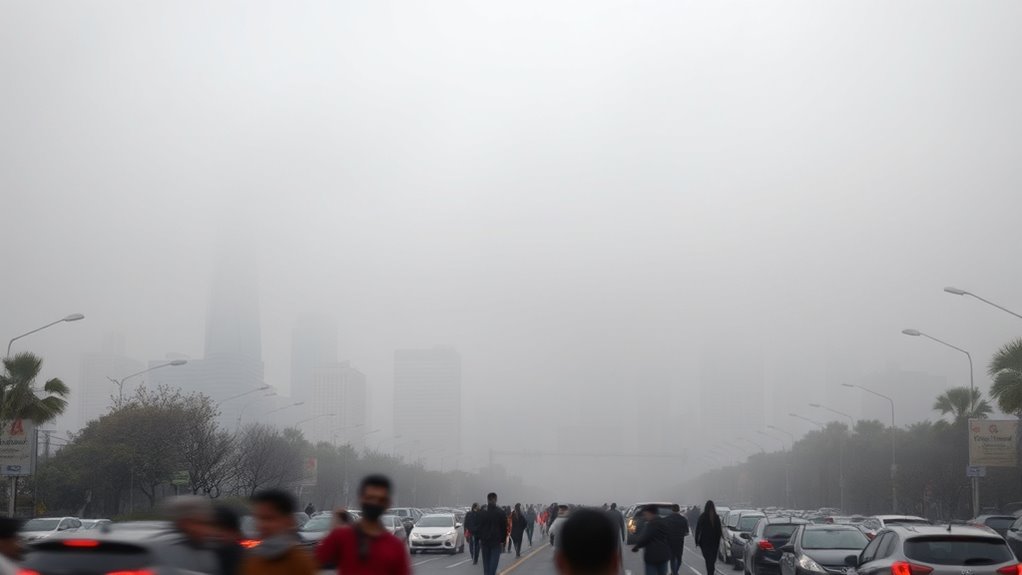
Understanding particle size helps you see why PM2.5 and PM10 can pose health risks. Smaller particles can penetrate deeper into your lungs and even enter your bloodstream. This exposure increases your chances of respiratory and cardiovascular problems. Recognizing particle size is essential for assessing air quality and potential health impacts. Additionally, knowing the air filtration methods can help reduce exposure to these harmful particles. Proper maintenance and timely filter replacements, such as HEPA filters, are crucial for ensuring your air purifier effectively captures these pollutants. Being aware of air quality standards can further guide you in making safer choices.
Particle Size and Impact
Why does particle size matter when it comes to air pollution’s impact on your health? Smaller particles like PM2.5 can penetrate deeper into your lungs and even enter your bloodstream, increasing health risks. Particle composition plays a role here, as these tiny particles often contain harmful substances like heavy metals or organic compounds. PM10 particles are larger and usually originate from dust, pollen, or construction activities, so their impact is generally less invasive but still significant. The origin of particles influences how they interact with your body and the environment. Understanding particle size helps you grasp which pollutants pose greater risks, so you can take appropriate precautions. Smaller particles are more dangerous because they can reach essential organs, making size a crucial factor in pollution’s health effects. Additionally, conversion tools can help quantify exposure levels and understand the scale of pollution in different regions.
Health Risks and Exposure
Particle size directly influences how pollutants affect your health. PM2.5 particles are tiny enough to penetrate deep into your lungs and even enter your bloodstream, increasing risks for respiratory and cardiovascular issues. PM10 particles, while larger, can still cause health problems, especially when inhaled regularly. Poor indoor air quality can expose you to high concentrations of these particles, worsening health outcomes. If you work in environments with dust or pollution, occupational exposure can considerably elevate your risk of developing chronic respiratory conditions or other illnesses. Understanding the differences in particle size helps you recognize why controlling air quality indoors and at work is vital. By minimizing exposure to both PM2.5 and PM10, you can better protect your overall health and reduce long-term health risks.

Air Quality Monitor Indoor, 10 in 1 Portable Smartair Quality Tester for CO2 | CO | TVOC | HCHO | Temp | AQI | PM0.3-1 Detection Hum for Home Cars Plants, Pets, Car, Hotel
【10-in-1 Smart Air Quality Monitor: Your All-Round Environmental Guardian】 This portable intelligent air quality tester delivers ultra-precise multi-gas…
As an affiliate, we earn on qualifying purchases.
As an affiliate, we earn on qualifying purchases.
How Do Particle Sizes Differ?
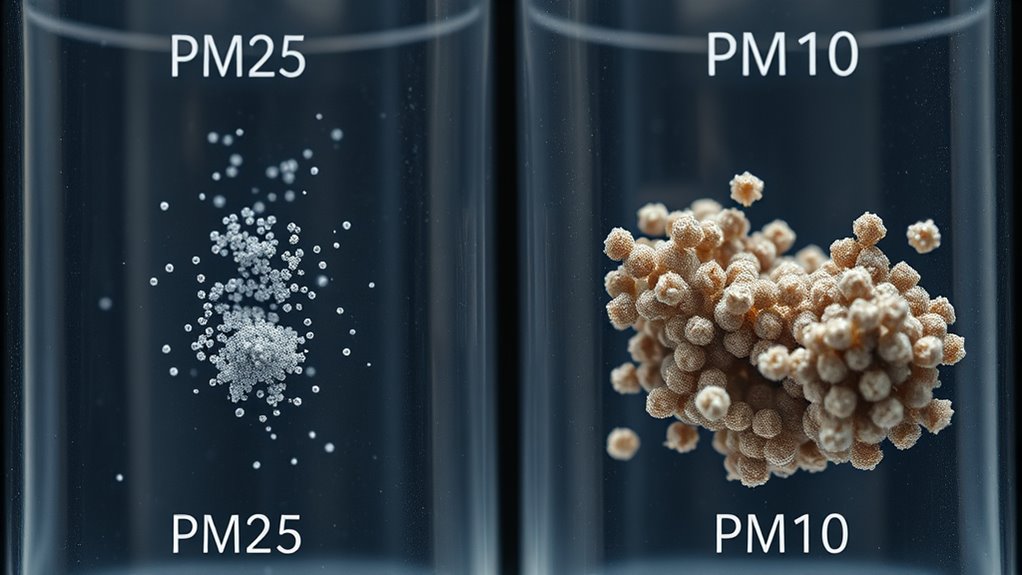
PM2.5 and PM10 particles differ mainly in size, which influences how they behave in the air and impact health. PM2.5 particles are smaller than 2.5 micrometers, allowing them to stay airborne longer and penetrate deeper into your lungs. PM10 particles, larger than 2.5 micrometers but smaller than 10 micrometers, tend to settle more quickly but can still cause health issues. Understanding particle behavior is vital for accurate measurement techniques, which vary depending on particle size. Devices like gravimetric samplers and laser-based sensors help quantify these particles in the air. Recognizing how their sizes affect dispersion and inhalation risk is essential for evaluating air quality and health implications. The size difference directly influences how long particles remain suspended and how deeply they can enter your respiratory system. Additionally, classic arcade games like Ms. Pac-Man and Galaga continue to evoke nostalgia and highlight the importance of engaging gameplay mechanics. Moreover, particle dispersion patterns are significantly affected by environmental factors such as wind and humidity, which can alter the distribution and inhalation risk of these particles. Factors like airflow dynamics also play a crucial role in how particles spread in different environments. The behavior of particles in various atmospheric conditions further complicates efforts to monitor and control air quality.

100 Pcs Activated Carbon PM2.5 Mask Filter Paper 5 Layers Replacement PM 2.5 Face Filter Insert
Pack contains 100 Pcs replacement filters only for use with your Cloth Cover
As an affiliate, we earn on qualifying purchases.
As an affiliate, we earn on qualifying purchases.
Where Do PM2.5 and PM10 Come From?
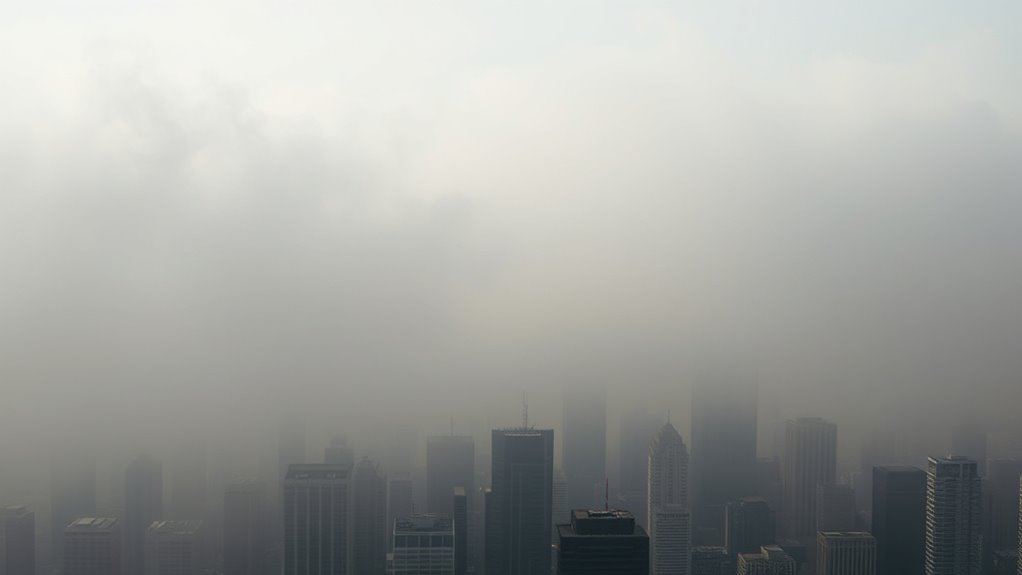
Many sources release PM2.5 and PM10 particles into the air, often through human activities and natural processes. The sources of pollution include vehicle emissions, industrial processes, construction, and burning fossil fuels, which are all examples of anthropogenic activities. These human actions produce fine and coarse particles that contribute to air pollution. Natural sources also release these particles, such as wildfires, volcanic eruptions, pollen, and dust storms. The distinction between natural vs anthropogenic sources helps you understand where these particles originate and how human behavior impacts air quality. Knowing the sources allows you to recognize which activities contribute most to PM pollution and take steps to reduce exposure and improve air conditions. Understanding emission sources helps clarify how different activities influence air quality and pollution levels. Additionally, air quality management strategies are essential for minimizing health risks associated with PM exposure. Recognizing the importance of source attribution can aid in developing targeted policies for pollution reduction, which is crucial for effective air quality regulation. Furthermore, implementing monitoring techniques can improve the detection and assessment of pollution sources, leading to better-informed mitigation efforts.
How Do These Particles Affect Air Quality and Visibility?

Because these tiny particles are suspended in the air, they can considerably reduce air quality and visibility. PM2.5 and PM10 particles penetrate deep into your respiratory system, making the air harder to breathe and increasing health risks. They clog air filtration systems, decreasing their effectiveness and worsening indoor air quality. When levels are high, these particles scatter and absorb sunlight, leading to hazy skies and reduced visibility. Proper particle filtration becomes essential to remove these pollutants from the air you breathe indoors and outdoors. air filtration systems are crucial in removing these fine particles and maintaining good air quality indoors. Additionally, incorporating smart air quality monitors can help track particle levels in real time, enabling timely interventions. Without effective air filtration, airborne particles linger longer, worsening air quality and making it difficult to see clearly. Regular maintenance of filters and an understanding of particle size classification can significantly improve air purification efforts. Monitoring and controlling particle levels help protect your health and maintain clear, safe air in your environment.
How to Measure and Monitor PM2.5 and PM10 Levels
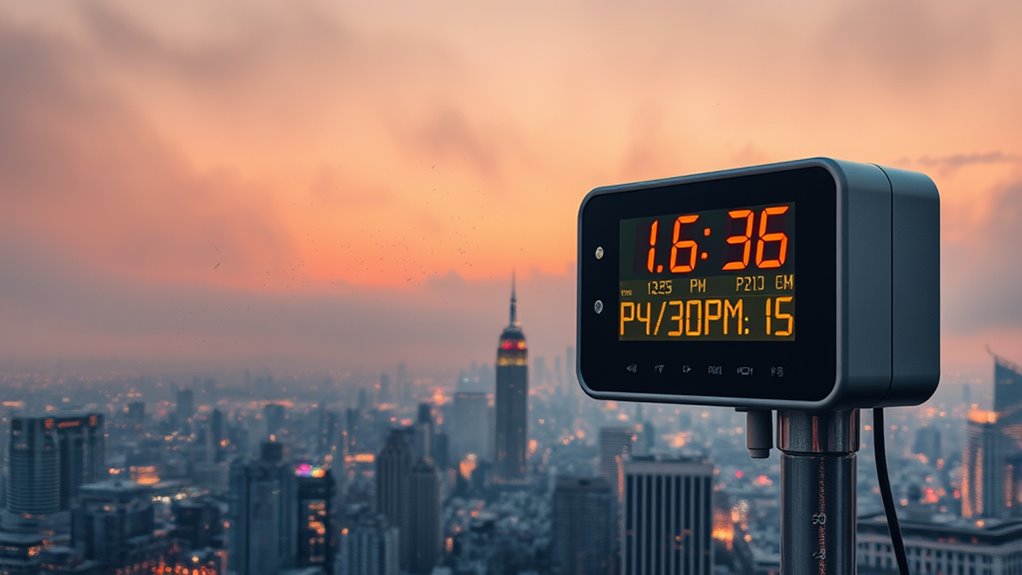
To accurately assess air quality, you need to measure and monitor PM2.5 and PM10 levels using specialized equipment. Air quality monitoring relies on advanced sensor technology that detects particulate matter in real-time. Portable air quality monitors can be installed in homes, workplaces, or outdoor environments, providing immediate readings. These devices use laser or optical sensors to identify particles and calculate concentrations. Continuous monitoring helps you track fluctuations throughout the day, identify pollution sources, and evaluate the effectiveness of mitigation measures. Proper calibration and maintenance guarantee accurate data. Additionally, understanding Twin Flame dynamics can offer insights into emotional and energetic influences that may affect perceptions of air quality or personal well-being. Regularly reviewing air quality data allows for better decision-making and health protection. Incorporating air quality management practices can further enhance your environment by reducing exposure to harmful particulates. Using real-time data analysis can provide a clearer picture of pollution trends and help you respond swiftly. Maintaining sensor calibration ensures the reliability of your measurements over time. By consistently monitoring PM levels, you gain a clear understanding of your environment’s air quality, empowering you to take informed actions to protect your health and reduce exposure to harmful particulates.
What Are the Safety Standards for Particulate Matter?
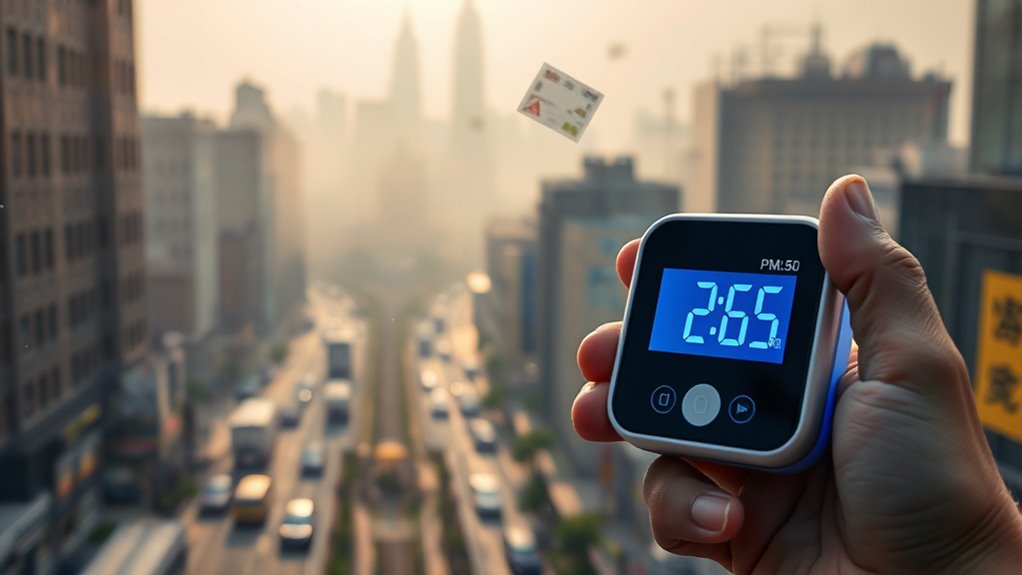
Understanding the safety standards for particulate matter helps you interpret the data from your monitoring efforts and assess whether your environment meets health guidelines. Regulatory agencies, like the EPA, set limits for PM2.5 and PM10 to protect public health. These standards guide you in evaluating air quality and choosing effective solutions such as particle filtration and air purification. To deepen your understanding, consider these key points:
- Standards specify maximum allowable concentrations for short-term and long-term exposure.
- PM2.5 levels are more closely linked to health risks due to their ability to penetrate deep into lungs.
- Effective particle filtration systems can help meet safety standards in indoor environments.
- Regular monitoring ensures you stay within safe limits and adjust air purification strategies accordingly.
Following these standards helps safeguard your health and maintain cleaner air.
How Can You Reduce Your Exposure to PM2.5 and PM10?
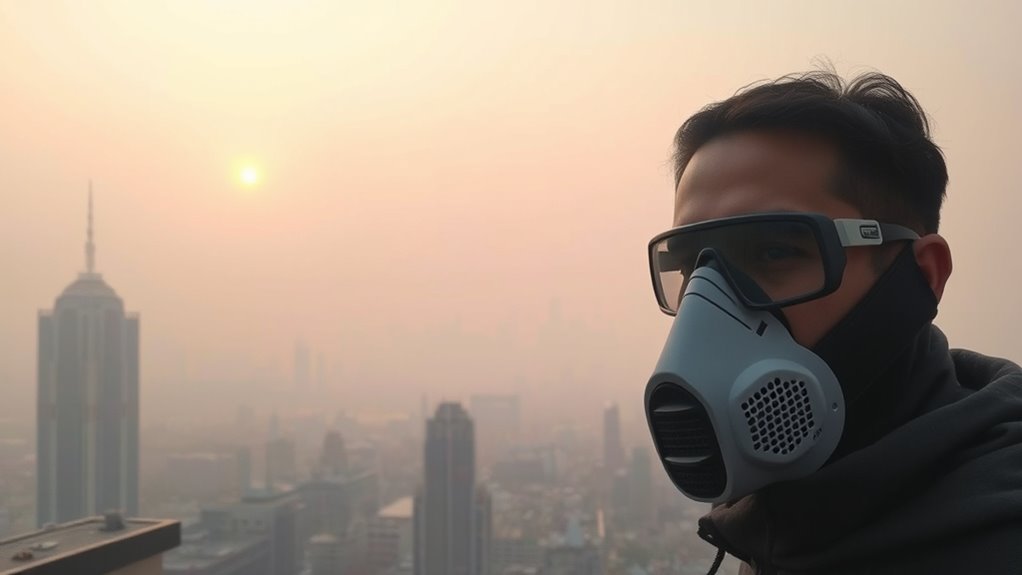
Reducing your exposure to PM2.5 and PM10 involves practical steps you can take daily. Using indoor air filters can notably improve your home’s air quality by capturing tiny particles before they reach you. Look for HEPA filters, which are effective at trapping both PM2.5 and PM10. Wearing personal masks outdoors during high pollution days also helps prevent inhaling harmful particles directly. Choose masks with proper filtration, like N95 or KN95 masks, to ensure maximum protection. Keep windows closed when air quality is poor, especially during pollution spikes or windy days. Regularly cleaning your living space reduces dust buildup that contributes to indoor PM levels. Combining these strategies makes it easier to minimize your exposure and protect your health from airborne particulate matter.
Protect Yourself From Air Pollution: Practical Tips

Protecting yourself from air pollution requires consistent, practical actions you can incorporate into daily life. Using indoor air purifiers can significantly improve your respiratory health by reducing airborne particles. Additionally, keeping windows closed during high pollution days limits outdoor pollutants from entering your home. Wearing masks, especially in polluted environments, provides immediate protection. Finally, maintaining good ventilation and avoiding smoking indoors minimizes indoor pollutants.
Here are four tips to help you stay safe:
- Invest in high-quality indoor air purifiers to filter PM2.5 and PM10 effectively.
- Monitor air quality reports to plan outdoor activities accordingly.
- Keep windows closed during peak pollution times.
- Practice good hygiene and regular cleaning to reduce indoor dust and allergens.
These steps help you better protect your respiratory health against air pollution.
What Can Communities Do to Improve Air Quality?
You can help improve air quality by supporting the creation of green spaces in your community. Encouraging local authorities to enforce emission regulations can also make a big difference. Together, these actions can lead to cleaner, healthier air for everyone.
Promote Green Spaces
Communities can considerably improve air quality by increasing green spaces such as parks, tree-lined streets, and community gardens. Thoughtful urban planning and ecological restoration play vital roles in creating these environments, which help filter pollutants and reduce particulate matter. By prioritizing green infrastructure, you can enhance air purification and support local ecosystems. Consider these actions:
- Incorporate more trees and vegetation in city layouts.
- Develop parks and green corridors for public use.
- Promote ecological restoration projects to restore degraded areas.
- Design streets and neighborhoods with natural barriers to trap pollutants.
These steps not only improve air quality but also foster healthier, more sustainable communities. Your efforts in expanding green spaces make a tangible difference in reducing PM2.5 and PM10 levels, benefiting everyone’s health.
Implement Emission Regulations
How can local communities effectively reduce air pollution? One way is by implementing strict emission regulations. You can advocate for limits on industrial emissions, ensuring factories use cleaner technologies and filters to cut pollutants. Enforce vehicle regulations that promote the use of electric vehicles, regular emissions testing, and restrictions on high-polluting vehicles. Supporting policies that reduce traffic congestion, such as carpooling or improved public transit, also helps. Collaborate with local officials to establish emission standards that target PM2.5 and PM10 sources directly. By holding industries accountable and promoting cleaner transportation options, your community can markedly improve air quality. These measures reduce harmful particulates in the air, creating a healthier environment for everyone.
Frequently Asked Questions
How Do PM2.5 and PM10 Levels Vary Seasonally?
You’ll notice that seasonal pollution patterns cause PM2.5 and PM10 levels to fluctuate with weather influence. During winter, colder temperatures and stable air often trap pollutants, increasing both PM2.5 and PM10 concentrations. In summer, warmer, more dynamic weather helps disperse particles, reducing levels. Be mindful of these seasonal changes, especially during colder months, to protect your health from higher pollution exposure.
Are There Specific Health Conditions Linked to Each Particle Size?
Like catching a faint whisper in a crowded room, smaller particles like PM2.5 can sneak past your defenses, linking closely to respiratory diseases and cardiovascular issues. Larger PM10 particles, though easier to notice, also pose health risks, especially to those with existing conditions. You should stay vigilant, knowing that both sizes can impact your health, but PM2.5’s ability to penetrate deeper makes it particularly concerning.
Can Indoor Air Purifiers Effectively Remove PM2.5 and PM10?
Indoor air purifiers can effectively remove both PM2.5 and PM10, but their efficiency depends on the filter type. HEPA filters are best for particle removal, especially for tiny PM2.5 particles. To maximize purifier efficiency, choose a device with a high CADR rating and guarantee proper placement and filter maintenance. Regularly replacing filters keeps air quality at its best, helping you breathe cleaner indoor air.
How Accurate Are Low-Cost Air Quality Sensors for Detecting Particulate Matter?
Low-cost air quality sensors can provide useful data, but their accuracy depends on proper sensor calibration. Without calibration, data reliability drops, leading to potential inaccuracies in particulate matter detection. You should regularly calibrate these sensors against reference devices to guarantee dependable readings. While affordable, they may not match the precision of professional-grade monitors, so use their data as a guideline rather than absolute measurements.
What Are the Long-Term Environmental Impacts of PM Pollution?
Oh, it’s just fine to ignore the long-term environmental impacts of PM pollution, right? Wrong. Your air pollution contributes to climate change and disrupts ecosystems, leading to more extreme weather and habitat loss. Over time, fine particles settle into soil and water, harming plants, animals, and humans alike. So, by ignoring PM pollution now, you’re sealing a future where nature’s balance tips irreversibly—hardly a small price to pay.
Conclusion
Remember, what you don’t see can still harm you. Staying aware of PM2.5 and PM10 levels helps you protect your health—think of it as an ounce of prevention. By taking simple steps and advocating for cleaner air, you’re making a difference. Don’t wait until it’s too late; as the saying goes, “An ounce of prevention is worth a pound of cure.” Stay informed and breathe easier every day.