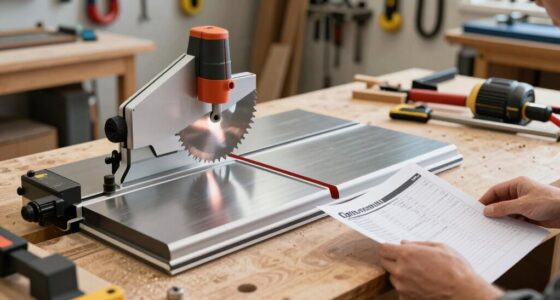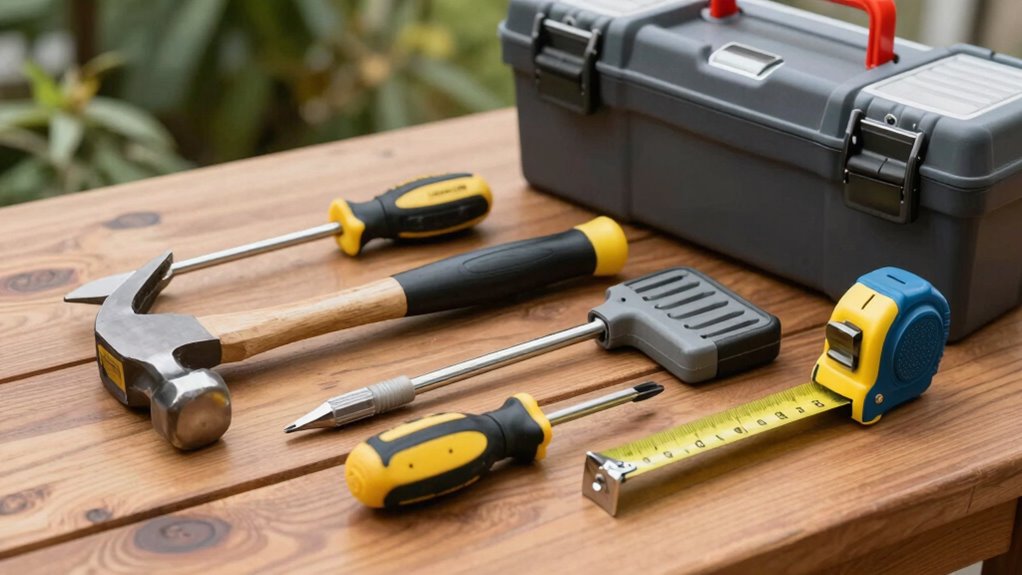

A basic home tool kit should include essential hand tools like a hammer, screwdrivers, pliers, a tape measure, and a level. For power tools, invest in a cordless drill, circular saw, and jigsaw. Don’t forget safety gear—safety goggles, gloves, and a dust mask are must-haves. Organizing your tools is key; use clear containers and label everything for quick access. Proper maintenance will extend tool life, and there’s more to explore on enhancing your kit!
Key Takeaways
- Invest in high-quality hand tools like hammers, screwdrivers, and pliers for durability and efficiency in home projects.
- Include essential power tools such as a cordless drill and circular saw for versatility and precision in various tasks.
- Prioritize safety gear, like goggles and gloves, to protect against injuries during DIY projects.
- Organize tools in clear containers and label them for easy access and streamlined workflow.
- Regularly maintain tools by cleaning and checking for wear to extend their lifespan and ensure reliable performance.

Amazon Basics 65 Piece Home Repair Tool Kit Set With Carrying Bag, Hand Tools, Socket Set, SAE and Metric, Silver, Black
65-piece tool set; carrying case included
As an affiliate, we earn on qualifying purchases.
As an affiliate, we earn on qualifying purchases.
Essential Hand Tools for Your Home Tool Kit

Every home needs a solid set of hand tools to tackle common repairs and projects. Start with essential hand tool types like a hammer, screwdrivers, pliers, and a tape measure. These basics will cover most everyday tasks. Don’t forget a level and utility knife for precision work, too. Investing in quality tools ensures durability and better performance over time. Once you’ve gathered your tools, think about tool storage. A tool chest or pegboard can keep everything organized and easy to find. Proper tool maintenance helps extend the lifespan of your tools and keeps them functioning safely. Regularly check your tool kit to verify everything’s in good shape and ready for use. Additionally, understanding home repair techniques can help you use your tools more effectively and safely. Practicing proper tool handling skills can prevent damage to your tools and ensure more accurate repairs. Using appropriate safety gear such as goggles and gloves when working can prevent injuries and ensure safer repair sessions. With the right hand tools and proper storage, you’ll feel prepared to handle any home improvement challenge that comes your way.

DEKOPRO Tool Set:Tool Kit with 8V Cordless Drill,Tool Box with Drill,Hand Drill Set for Men & Women,Home Tool Kits for House Repair,Handyman,DIY 126 Piece
【Lightweight Cordless Drill】The 8V drill set can be used for drilling in wood and plastic, and tightening/loosening screws.Press…
As an affiliate, we earn on qualifying purchases.
As an affiliate, we earn on qualifying purchases.
Key Power Tools to Invest In
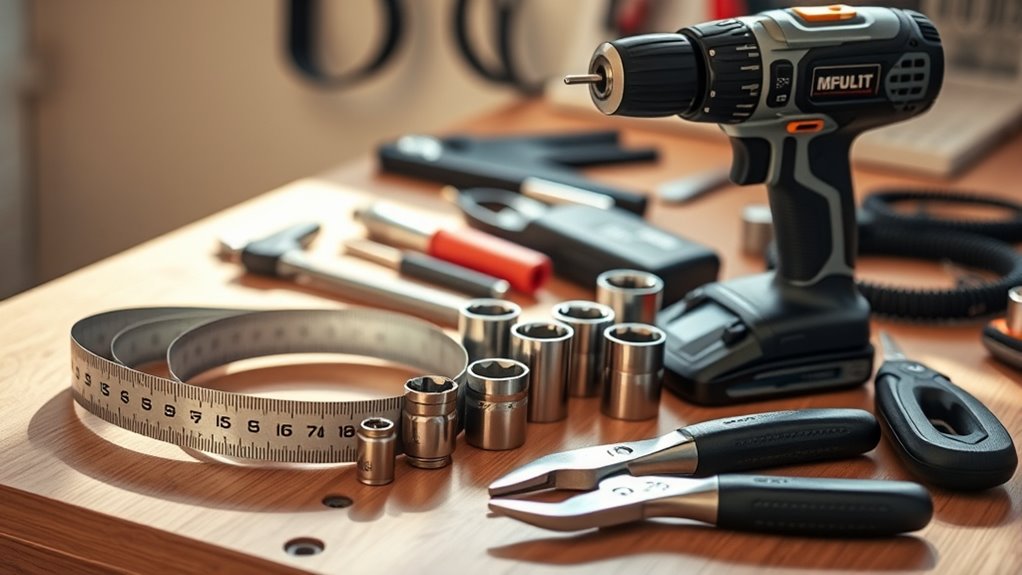
When building your home tool kit, investing in the right power tools can make a big difference in efficiency and quality. You’ll want to evaluate essential types, weigh the investment against potential cost savings, and keep an eye on safety features. Understanding these factors will help you choose tools that meet your needs without breaking the bank. Additionally, incorporating tools suitable for automotive repair and tuning, such as ADAS sensor calibration equipment, can expand your capabilities and ensure proper maintenance. Being familiar with power tool safety guidelines is also crucial to prevent accidents and ensure effective operation. Recognizing the importance of proper tool maintenance can extend the lifespan of your equipment and maintain optimal performance. Considering tool storage solutions can also help keep your workspace organized and tools protected for long-term use. Exploring off-road gear options can further enhance your vehicle’s performance and comfort during outdoor adventures.
Essential Power Tool Types
Investing in the right power tools can make all the difference in your DIY projects and home repairs. Understanding essential power tool types helps you choose the best tools for your needs. Here are some key tools to take into account:
| Power Tool Type | Recommended Brands |
|---|---|
| Cordless Drill | DeWalt, Makita |
| Circular Saw | Milwaukee, Ryobi |
| Jigsaw | Bosch, Black+Decker |
| Orbital Sander | Festool, Porter-Cable |
When selecting power tool brands, focus on durability and performance. A solid collection of these essential power tools can empower you to tackle a variety of tasks efficiently, ensuring you achieve professional results at home. Choose wisely, and watch your skills grow!
Investment vs. Cost Savings
Choosing the right power tools not only enhances your DIY capabilities but can also lead to significant savings in the long run. Investing in quality tools offers long-term benefits that outweigh the initial costs. Instead of constantly replacing cheap tools, smart purchasing can save you money and frustration. Properly maintained tools also ensure safety and efficiency during projects, aligning with best practices for tool safety and maintenance. Regular maintenance, such as cleaning filters and replacing parts on air purifiers, reflects the same principles of proper tool upkeep that extend to your power tools. Additionally, understanding home maintenance techniques can help you identify when tools need servicing or replacement, ultimately extending their lifespan. Proper storage and organization can also prevent damage and ensure your tools stay in good condition, which is essential for tool longevity and performance. Consider these key power tools to invest in:
- Cordless drill: Versatile and essential for various projects.
- Circular saw: Perfect for making precise cuts quickly.
- Orbital sander: Saves time and guarantees a smooth finish.
Safety Features to Consider
While having the right power tools is essential for your projects, prioritizing safety features can make all the difference in preventing accidents and injuries. When investing in tools, consider features that enhance tool safety and promote injury prevention. Here’s a quick reference table to help you choose wisely:
| Tool | Safety Feature |
|---|---|
| Circular Saw | Blade guard and safety switch |
| Drill | Anti-slip grip |
| Jigsaw | Variable speed control |
| Angle Grinder | Safety lock and guard |
| Router | Soft start technology |
Additionally, understanding the importance of home safety features can help create a secure environment for both DIY projects and everyday living. Incorporating safety features during the selection process can also reduce injury risk and ensure a safer workspace. Being aware of safety technology can further enhance your safety measures when working with power tools. Recognizing safety features in your tools not only protects you but also extends the lifespan of your equipment by preventing misuse or damage. Implementing these safety considerations contributes to a more secure work environment and greater confidence during your projects.

G & F Products – 13016-NEW 13016NEW Safety Goggles with 99% Protection Against UV-A, B & C Rays, Impact, & Ballistic Resistant & Clear Lenses 12 Count (Pack of 1) unisex
ENHANCED PROTECTION FOR EVERY TASK: These safety glasses are designed to offer reliable defense against various workplace hazards….
As an affiliate, we earn on qualifying purchases.
As an affiliate, we earn on qualifying purchases.
Safety Gear: Protect Yourself While DIYing
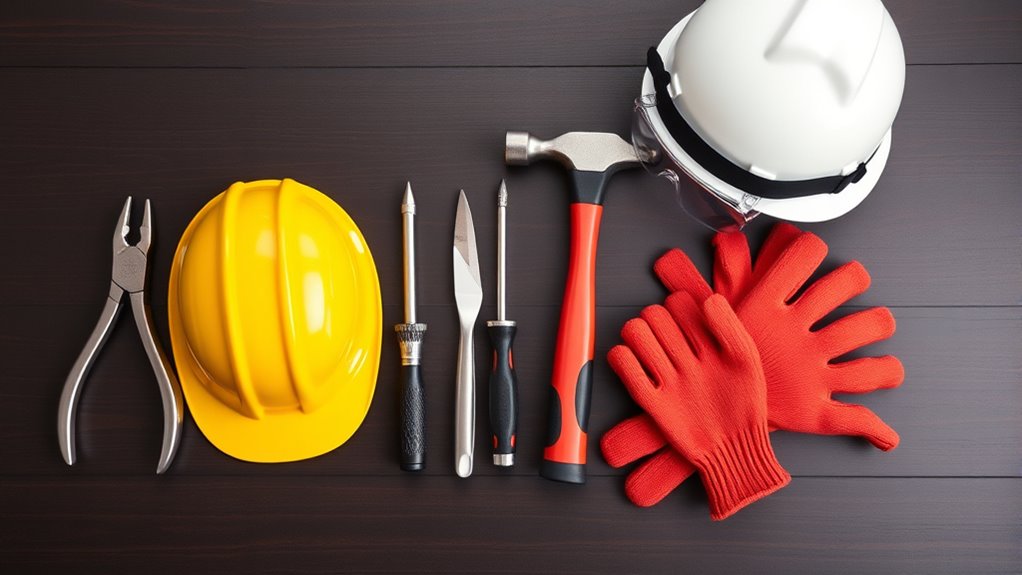
Before diving into any DIY project, it’s vital to prioritize your safety with the right gear. Wearing protective gear not only keeps you safe but also helps you follow essential safety guidelines. Here are three must-have items for your DIY toolkit:
Prioritize your safety with essential protective gear before starting any DIY project.
- Safety goggles: Protect your eyes from dust, debris, and harmful substances. Proper eye protection is especially important when working in environments with airborne particles. Using eye protection correctly can prevent serious injuries during projects involving cutting or grinding. Additionally, proper eye protection can help prevent irritation from chemical splashes or fumes. Being aware of risk mitigation strategies can further enhance your safety measures.
- Work gloves: Shield your hands from cuts, abrasions, and chemicals while handling tools and materials. Ensuring your personal safety equipment is suitable for the task can prevent injuries.
- Dust mask: Prevent inhalation of harmful particles and fumes during sanding or painting. Being aware of your environmental hazards and properly using safety gear ensures responsible safety practices.

CRAFTSMAN Storage Organizer, 30 Small Drawer Modular Storage System, Easily Stackable (CMST40730), Plastic, Black, White
CONTENT VISIBILITY: 30 small transparent drawers for high visibility of content
As an affiliate, we earn on qualifying purchases.
As an affiliate, we earn on qualifying purchases.
How to Choose Quality Tools That Last?
How can you guarantee that the tools you invest in will stand the test of time? Start by researching reputable tool brands known for their durability. Look for tools made from high-quality materials, as this greatly impacts their lifespan. Additionally, consider the importance of soundproofing solutions like studio dividers or acoustic drum shields, which can enhance your recording environment and protect your equipment over time.
How to Efficiently Organize Your Tool Kit for Quick Access
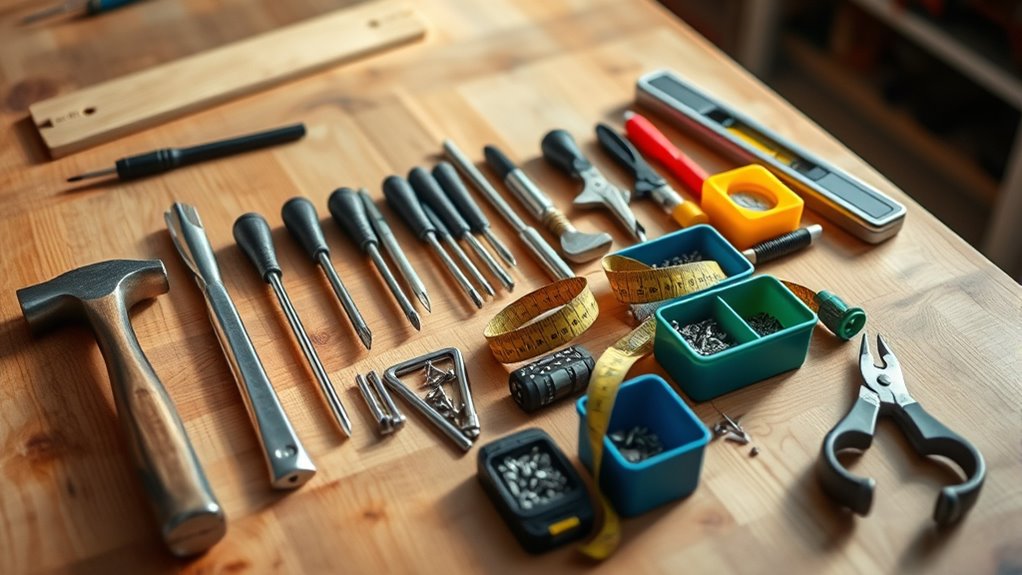
Investing in high-quality tools is just the first step; organizing your tool kit is what makes them truly effective. Proper tool storage not only keeps your workspace tidy but also guarantees you have easy access to what you need when you need it. Here are three tips to help you organize efficiently:
- Use clear containers: This way, you can quickly see what’s inside and grab the right tool.
- Label everything: Knowing where each tool belongs saves time and frustration.
- Group similar tools: Keep wrenches, screwdrivers, and pliers together for a streamlined approach.
Maintenance Tips for Your Tools
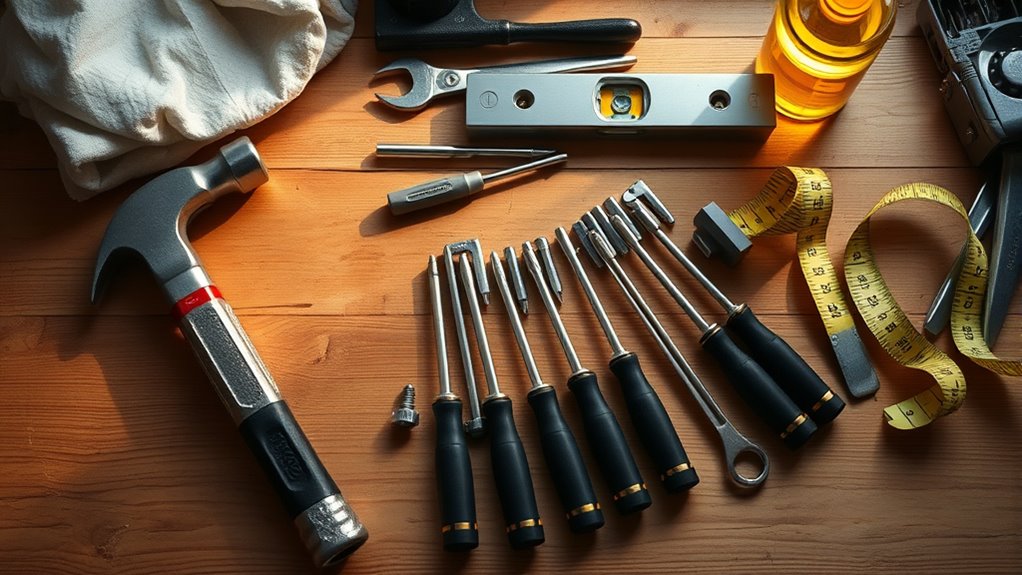
While you might have the best tools available, their effectiveness can diminish without proper maintenance. Start with regular cleaning; wipe down your tools after each use to prevent rust and debris buildup. For metal tools, consider applying a light coat of oil to protect against moisture. Check for any signs of wear and tear, like chipped blades or loose screws, and replace parts as needed. Store your tools in a dry place to avoid unnecessary damage. Additionally, keep your power tools’ batteries charged and clean the contacts regularly to guarantee peak performance. By following these tool maintenance and cleaning tips, you’ll extend the life of your tools and keep them in top condition for all your DIY projects.
Essential Tools for Intermediate DIY Projects
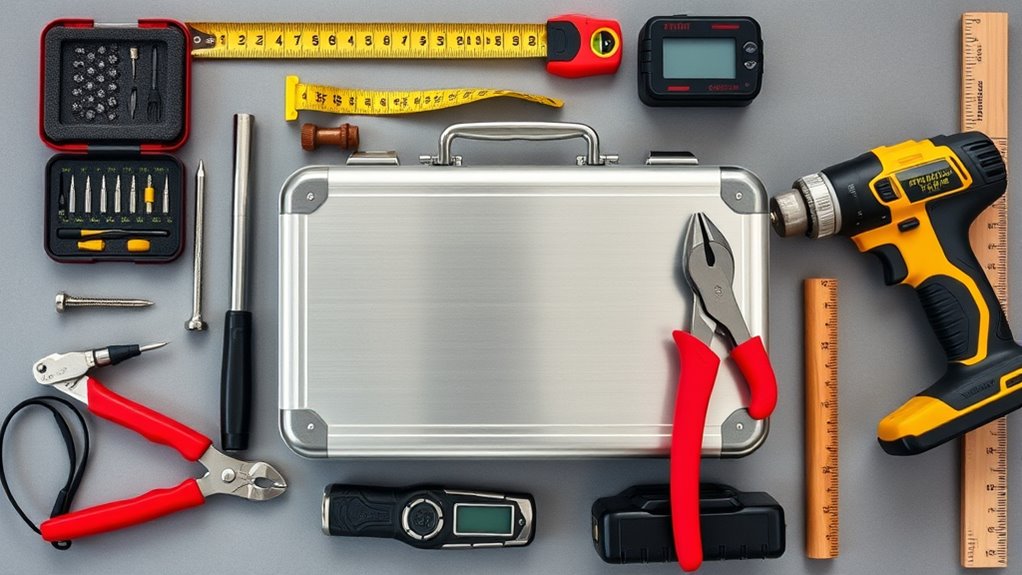
Maintaining your tools sets the stage for tackling more complex projects, and having the right equipment can make all the difference. As you embark on intermediate projects, consider investing in some tool upgrades to enhance your DIY experience. Here’s a shortlist of essential tools you’ll want in your kit:
- Cordless Drill: Perfect for drilling and driving screws, giving you flexibility without the hassle of cords.
- Circular Saw: Ideal for making precise cuts in wood, whether you’re building furniture or tackling home renovations.
- Stud Finder: A must-have for safely hanging heavy items on walls, ensuring you hit those studs every time.
With these tools at your disposal, you’ll be ready to take on any intermediate project with confidence!
Frequently Asked Questions
What Tools Are Essential for a Beginner DIYER?
As a beginner DIYer, you’ll want a solid set of essential hand tools and power tools. Start with a hammer, tape measure, and screwdrivers for basic tasks. A level and utility knife are also vital. When you’re ready to tackle bigger projects, invest in a cordless drill and a jigsaw. These tools will help you build confidence and tackle a variety of home improvement tasks without feeling overwhelmed. Happy DIYing!
How Do I Know When to Replace My Tools?
You’ll know it’s time to replace your tools by regularly performing tool inspections. Look for replacement signs like rust, cracks, or excessive wear. If a tool doesn’t function as it should or feels unsafe to use, it’s best to get a new one. Trust your instincts; if a tool no longer meets your needs or seems unreliable, don’t hesitate to replace it. Keeping your toolkit in top shape guarantees your DIY projects go smoothly.
Can I Borrow Tools From Neighbors Instead of Buying?
Absolutely, you can borrow tools from your neighbors instead of buying them! Tool sharing is a great way to save money and build neighborly support. Just ask around; most people are happy to lend what they have. Make sure to return the tools in good condition and maybe even offer to help with a project in exchange. This way, you foster a sense of community while getting the tools you need without the cost.
What Is the Best Way to Clean Tools?
To keep your tools in tip-top shape, try these trusty cleaning techniques. Start by scrubbing surfaces with soap and water to eliminate grime. For stubborn spots, a soft-bristled brush works wonders. Wipe wooden handles with a damp cloth to preserve their polish, and apply oil to metal parts for rust resistance. Regular tool maintenance guarantees longevity and efficiency, so make cleaning a committed part of your routine!
How Often Should I Use My Tools to Keep Them Functional?
You should use your tools regularly to keep them functional. Aim for a monthly check-up, performing functional checks to guarantee everything’s in good shape. During each use, take a moment to inspect for any wear or damage. Clean them after every use and lubricate moving parts as needed. By staying proactive with tool maintenance, you’ll prolong their life and guarantee they’re ready whenever you need them for your next project.
Conclusion
To summarize, having a well-stocked home tool kit can make all the difference in your DIY projects. With the right hand tools, power tools, and safety gear, you’ll be ready for anything. Plus, keeping your tools organized guarantees you can find what you need without hassle. So, why settle for a cluttered mess when you can have a streamlined, efficient setup? Invest in quality tools, maintain them well, and enjoy the satisfaction of tackling any project with confidence!