A sump pump safeguards your basement from flooding by automatically removing excess water that seeps in through cracks or drains, keeping your space dry and safe. It activates when water levels rise, pumping out groundwater to prevent damage. Choosing the right type and maintaining it properly ensures reliable protection. If you want to understand how these systems work and keep your basement dry, there’s more to discover ahead.
Key Takeaways
- A sump pump prevents basement flooding by removing excess water from the sump basin during heavy rains or groundwater seepage.
- It activates automatically when water reaches a certain level, helping maintain a dry, safe basement environment.
- There are different types, including submersible and pedestal models, each suited for specific installation needs and noise preferences.
- Backup options like battery-powered pumps ensure continuous operation during power outages.
- Regular maintenance and testing are essential to ensure the sump pump functions reliably when needed.

Aquastrong Sump Pump 1 HP 4500 GPH Submersible Water Pump Thermoplastic Portable Utility Pump High Flow Water Removal for Swimming Pool Garden Pond Basement Window Wells with 10ft Long Power Cord
Efficient Sump Pump: Aquastrong sump pump with 1HP powerful motor. Draining water up to 4500GPH Per Hour( 75…
As an affiliate, we earn on qualifying purchases.
As an affiliate, we earn on qualifying purchases.
What Is a Sump Pump and How Does It Work?
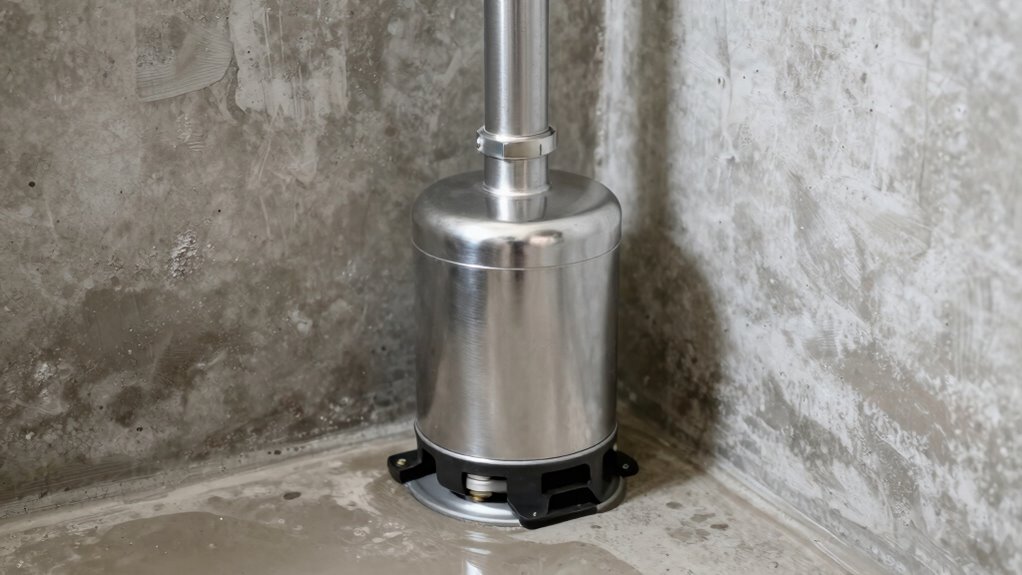
Have you ever wondered how basements stay dry during heavy rains? A sump pump is essential for this, working silently to prevent flooding. When water enters your basement through cracks or drains, the sump pump activates, pumping water out before it causes damage. During installation, consider placement and access to ensure smooth operation, and think about noise reduction options if your basement is near living spaces. Modern sump pumps are designed to operate quietly, so you won’t be disturbed by constant noise. They connect to a drain or sump basin, automatically turning on when water levels rise. Proper installation and choosing the right pump help maintain a dry, safe basement environment, giving you peace of mind during storms. Additionally, understanding regional flavor profiles and features like chicory blends can help you select the best equipment for your climate and needs.

VEVOR 2500W Sump Pump Battery Backup with LCD, Automatically Shifts to Inverter Power Ensuring Uninterrupted Operation, Essential for Emergencies & Power Failures
Unmatched Power: The VEVOR sump pump battery backup inverter features a robust 2500W output, 22.7A operating current, and…
As an affiliate, we earn on qualifying purchases.
As an affiliate, we earn on qualifying purchases.
Sump Pump Types: Which One Is Best for Your Home?
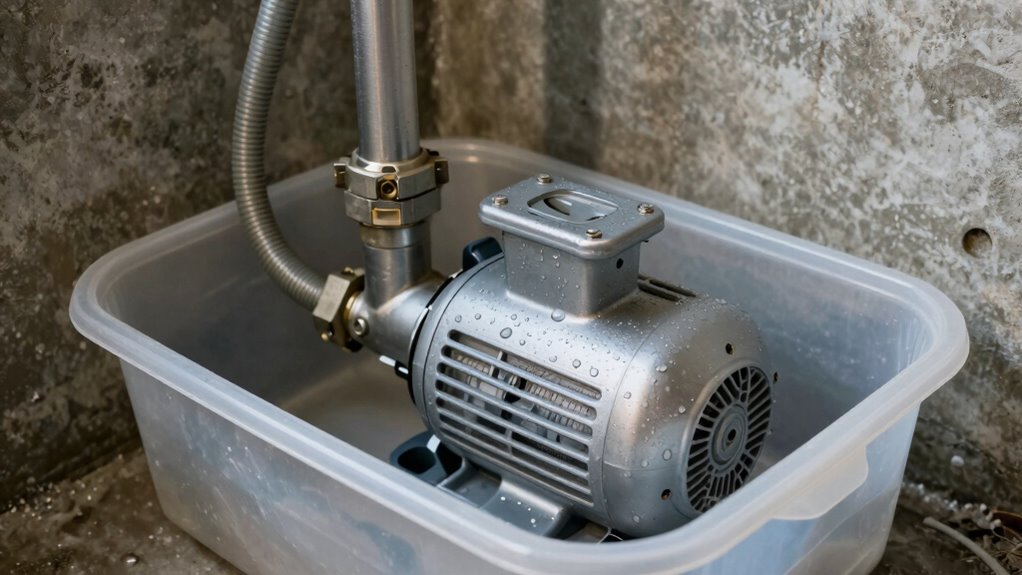
Choosing the right sump pump depends on your home’s needs, so it’s important to understand the different types. You’ll find submersible and pedestal models, each with advantages, as well as battery-powered options for backup. Additionally, consider whether manual or automatic operation suits your situation best. Knowing about water management systems can help you make an informed decision to protect your home from flooding.
Submersible vs. Pedestal Models
When deciding between a submersible and a pedestal sump pump, understanding their differences can help you choose the right one for your home. Submersible pumps are fully submerged in the sump basin, making installation considerations more complex but offering quiet operation since they’re inside the water. They’re ideal if you want minimal noise and a sleek appearance. Pedestal pumps sit above the sump basin, which simplifies installation and maintenance but results in higher noise levels because the motor is exposed and vibrates more. If noise and aesthetics matter, a submersible pump is preferable. However, if you prioritize easy installation and easier access for repairs, a pedestal model might be better suited. Consider your space, noise sensitivity, and maintenance preferences to make the best choice. Additionally, understanding appropriate gear can help ensure your sump pump functions efficiently and reliably over time.
Battery-Powered Options Available
Battery-powered sump pumps provide a reliable backup during power outages, ensuring your basement stays dry even when the main pump fails. A battery backup system keeps your sump pump running during a power failure, preventing flooding and water damage. These systems are vital if your area experiences frequent outages or heavy storms. When choosing a battery backup, consider the capacity and run time to match your sump pump’s needs. Some models automatically switch on when power is lost, providing seamless protection. Keep in mind that regular testing and maintenance of the battery backup are essential for dependable performance. Investing in a battery-powered option gives you peace of mind, knowing your sump system can handle emergencies even when the power’s out. Additionally, understanding the difference between primary and backup pumps can help you make a more informed decision to best protect your home.
Manual vs. Automatic Operation
Manual and automatic sump pumps each offer different ways to protect your basement from flooding. With manual operation, you or someone else must turn the pump on when water levels rise. This means you need to monitor the sump pit regularly and activate the pump as needed. Automatic operation, on the other hand, uses a float switch that detects water levels and activates the pump when necessary, providing hands-free protection. Automatic pumps are more convenient and reliable, especially if you’re away or forget to turn on a manual pump. However, manual pumps might be better during power outages if you have a backup power source. Choosing between the two depends on your budget, monitoring habits, and how much convenience you want in flood prevention. Additionally, security zone info highlights the importance of reliable systems, which applies to sump pumps as well, emphasizing the value of choosing dependable options for home safety.

Acquaer 1/3 HP Automatic Submersible Water Pump, 115V Sump Pump with 3/4” Garden Hose Adapter, 2160 GPH High Flow Water Removal for Swimming Pool Cover Hot Tubs Flooded House Basement
Automatic on/off: Built-in smart electronic sensor, Acquaer automatic submersible water pump will automatically turns on when 1-1/2'' water…
As an affiliate, we earn on qualifying purchases.
As an affiliate, we earn on qualifying purchases.
How to Maintain and Test Your Sump Pump for Reliability

Regularly maintaining and testing your sump pump is essential to guarantee it works properly when you need it most. Start with simple maintenance tips like cleaning the pump and removing debris from the sump basin. Check the intake screen for clogs and ensure the float switch moves freely. Testing procedures involve pouring water into the sump pit to trigger the pump. Watch for the pump to activate promptly and listen for unusual noises. Confirm that the pump discharges water correctly through the outlet pipe. Regular testing helps identify issues early, preventing failures during heavy rain. Also, make certain your power source is reliable, and consider installing a backup system for added security. Consistent maintenance and testing keep your sump pump functioning efficiently when it counts most. For optimal performance, be aware of factors like indoor air quality that can impact your home’s overall environment and the longevity of your equipment.

6699 Tankless Water Heater Flushing Kit Includes 1/6HP Submersible Sump Pump with Two Adapters & 3 Gallons Pail with Bucket Lid Opener & Two 1/2” Dia X 6’ PVC Hoses with Washers
【Tankless Heater Clean Kit】This cleaning kit comes with everything you need to maintain your water heating system. Helps…
As an affiliate, we earn on qualifying purchases.
As an affiliate, we earn on qualifying purchases.
Signs Your Sump Pump Needs Repair or Replacement

Your sump pump will give warning signs when it’s time for repairs or replacement. If it struggles to keep your drainage system dry during storms or runs constantly, it’s a red flag. Unusual noises or frequent cycling indicate issues with your pump or installation. Also, if it fails to turn on when needed, your system isn’t working properly. Regularly check for debris or rust, which can hinder operation. Consider that a faulty sump pump might signal the need for replacement, especially if repair costs are high. Proper sump pump installation is essential for reliable performance. Additionally, understanding the long-term structure of your drainage system can help prevent future issues. Below are common signs:
| Warning Sign | Possible Cause | Action Needed |
|---|---|---|
| Frequent cycling | Drainage system blockage | Repair or replace |
| Pump doesn’t turn on | Electrical or mechanical failure | Repair or replacement |
| Unusual noises | Worn parts or debris | Inspection and repair |
| Pump runs constantly | Faulty switch or sump basin issues | Replacement recommended |
Troubleshooting Common Sump Pump Problems and Fixes

When your sump pump isn’t functioning properly, troubleshooting can help identify the problem quickly and save you from costly repairs. Start by inspecting the power source—ensure the pump is plugged in and the circuit breaker hasn’t tripped. Check for debris or obstructions around the impeller that could hinder operation. Follow proper installation procedures when setting up or replacing your pump to avoid future issues. Regular maintenance tips include testing the float switch and cleaning the sump pit to prevent sediment buildup. If your pump runs but doesn’t activate, the float switch may be faulty. For persistent problems, consider reviewing the installation procedures to confirm everything’s correctly set up. Addressing these issues early can prolong your sump pump’s lifespan and keep your basement dry. Additionally, understanding must-see destinations and travel tips can help you plan a well-organized trip if you’re away during maintenance.
Why a Sump Pump Is Essential for Basement Water Protection

A sump pump is your first line of defense against basement flooding, especially during heavy rains. It helps protect your property value by keeping your space dry and damage-free. Without one, water damage can quickly escalate, costing you time and money to repair. Proper maintenance of your sump pump ensures it functions effectively when needed.
Prevents Basement Flooding
During heavy rains or rapid snowmelt, groundwater levels can rise quickly and threaten to flood your basement. A sump pump acts as a crucial barrier, preventing basement flooding by removing excess water before it causes damage. Proper installation guidelines ensure your sump pump operates efficiently and reliably during critical moments. When considering cost, remember that installing a sump pump may have initial expenses, but it’s a small price compared to the cost of water damage repairs. A well-maintained sump pump continuously works to divert water away from your foundation, reducing flood risk during severe weather events. This proactive approach safeguards your home and gives you peace of mind, knowing your basement is protected against unexpected water intrusions.
Protects Property Value
Installing a sump pump is a smart investment because it helps maintain your home’s value by protecting your basement from water damage. When you choose professional sump pump installation, you’re proactively safeguarding your property against costly repairs and deterioration. A reliable sump pump not only prevents water intrusion but also reassures future buyers that your home is protected, boosting its overall appeal. Many sump pumps come with warranties, giving you peace of mind that your investment is protected long-term. Proper installation guarantees maximum performance and longevity, which is vital for maintaining property value. In the long run, a well-maintained sump pump preserves your basement’s integrity, helping your home retain its worth even in areas prone to moisture or flooding. Additionally, selecting the right electric sump pump can enhance energy efficiency and reliability for continuous protection.
Reduces Water Damage
Protecting your property value is just one benefit of having a sump pump; it also plays an essential role in reducing water damage to your basement. By improving drainage, a sump pump automatically removes excess water before it causes harm. This drainage improvement helps prevent flooding during heavy rains or rapid snowmelt, safeguarding your belongings and foundation. Additionally, it enhances moisture control, reducing the risk of mold, mildew, and structural issues caused by lingering dampness. Without a sump pump, water can seep into your basement, leading to costly repairs and health concerns. Investing in a reliable sump pump ensures that water is effectively diverted away, keeping your basement dry and protected from water damage year-round.
How to Choose the Right Sump Pump for Your Needs

Choosing the right sump pump starts with understanding your specific needs and the conditions of your basement or crawl space. Consider the water volume you expect during heavy rains and whether your space has high water tables. Installation considerations are vital—assess the space available, power supply, and ease of access for maintenance. A larger, more powerful pump might be necessary for extensive flooding risks, but it could also mean higher costs. Cost estimation is essential; more advanced pumps with backup systems tend to be pricier but offer greater reliability. Think about your budget and the level of protection you need. By evaluating these factors, you can select a sump pump that balances performance and affordability, ensuring your space stays dry and protected.
Frequently Asked Questions
How Long Does a Typical Sump Pump Last Before Needing Replacement?
A typical sump pump lasts about 8 to 10 years before you should consider replacement. Regular pump maintenance helps prolong its lifespan, but keep an eye out for signs like strange noises or frequent cycling. Following a proper replacement schedule ensures your system stays reliable during heavy rains. Don’t wait too long; timely replacement prevents basement flooding and costly repairs, keeping your home safe and dry.
Can a Sump Pump Operate During a Power Outage?
A sump pump won’t operate during a power outage unless you have a battery backup or generator power. A battery backup keeps your sump pump running when the electricity goes out, while a generator can power your entire sump system. Consider installing one of these options to guarantee your sump pump continues protecting your basement from flooding, even during storms or power failures.
Is It Necessary to Install a Backup Sump Pump System?
Think of your sump pump as a lifeguard for your basement; a backup system is like having a rescue float. Installing a backup sump pump system is essential, especially in flood-prone areas, to prevent water damage during power outages. Regular maintenance schedules guarantee your backup functions smoothly when needed. Without it, you risk costly repairs—so investing in one provides peace of mind and keeps your home safe.
How Much Does Professional Sump Pump Installation Usually Cost?
Professional sump pump installation typically costs between $1,000 and $3,000, depending on the pump type, complexity, and your home’s size. You’ll also want to take into account ongoing maintenance expenses, which can range from $50 to $150 annually. Labor charges, permits, and additional components like backup systems can influence the total cost. Investing in professional installation guarantees proper setup, reducing future repair costs and preventing flooding issues.
Are There Eco-Friendly or Energy-Efficient Sump Pump Options Available?
Looking to be kinder to the environment? Yes, there are eco-friendly options and energy-efficient models for sump pumps that help you save on electricity and reduce your carbon footprint. These pumps use advanced technology to operate smoothly while consuming less power. Choosing such models not only benefits the planet but also lowers your energy bills. It’s a smart upgrade that aligns with your eco-conscious lifestyle and keeps your basement dry efficiently.
Conclusion
Remember, a dependable sump pump is your fortress against basement flooding, much like a trusty knight defending his castle. Regular maintenance and prompt repairs keep it ready for any deluge. Don’t wait until the waters rise—stay proactive and make certain your sump pump is in top shape. After all, even the bravest of knights need their armor; your home needs its sump pump to stay dry and protected, no matter what old Croesus might say.