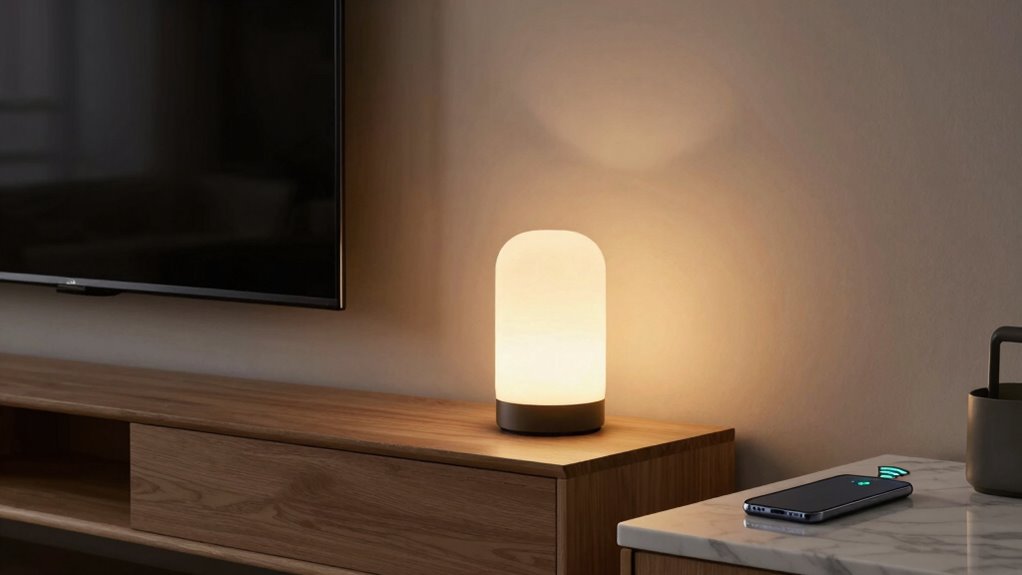

If your smart lights keep going offline, it’s often due to Wi-Fi issues, outdated firmware, or interference from other electronic devices. Make certain your Wi-Fi connection is stable and that your router is functioning properly. Check for firmware updates and confirm your network isn’t overcrowded. Interference from microwaves or cordless phones can also disrupt signals. Want to get your smart lights working smoothly once again? Keep exploring for more tips on fixing connectivity problems.

Get the little things that make your day delivered free — and shop member deals
- Fast, free delivery on millions of items
- Access to Prime Big Deal Days deals on October 6–7
- Prime Video, Amazon Music and more included
Key Takeaways
- Wi-Fi signal instability or interference from other electronic devices can cause smart lights to disconnect.
- Outdated firmware or lack of recent updates may lead to connectivity problems.
- Placing smart lights far from the router weakens the Wi-Fi signal, causing offline issues.
- Heavy network usage from streaming or gaming can overload bandwidth, affecting device stability.
- Compatibility issues or recent voice assistant updates can temporarily disrupt smart light connections.
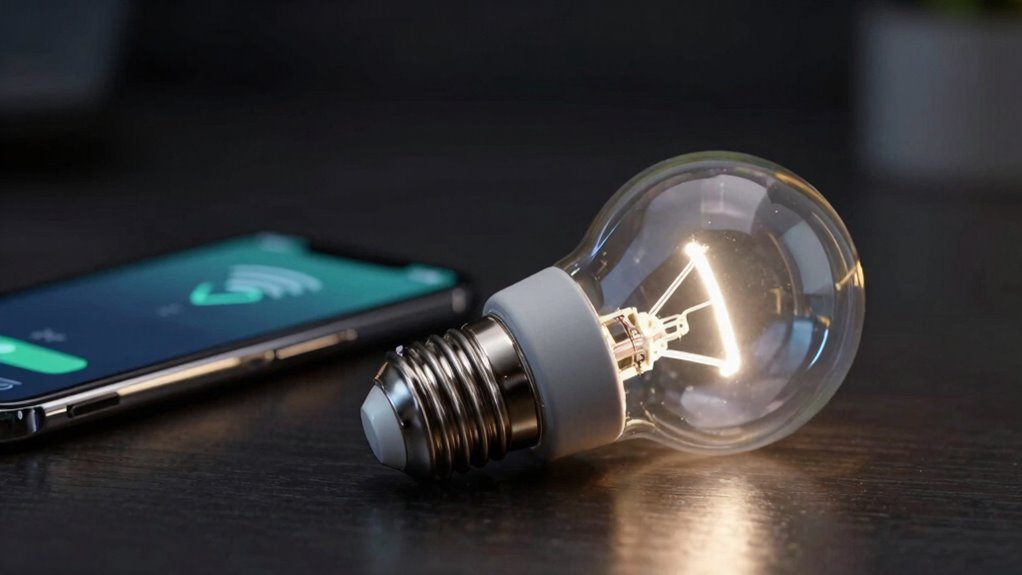
If you’ve noticed your smart lights suddenly going offline, you’re not alone. It can be frustrating when your devices disconnect unexpectedly, especially when you rely on them for convenience and energy efficiency. Several common issues could be causing these disruptions, and understanding them can help you troubleshoot effectively. One frequent reason for smart lights going offline is Wi-Fi connectivity problems. Since most smart lighting systems depend on a stable internet connection, any interruption in your Wi-Fi network can cause your lights to disconnect. Check your router to confirm it’s functioning properly, and contemplate placing your smart lights closer to your Wi-Fi source to improve signal strength. Additionally, network stability plays a crucial role in maintaining consistent device connections. Sometimes, your network’s bandwidth management can also impact device connectivity by prioritizing traffic, which may inadvertently cause disconnections. Another factor to think about is firmware updates. Manufacturers often release updates to fix bugs, improve stability, or add features like enhanced voice control compatibility. If your smart lights aren’t up to date, they might experience connectivity issues. Regularly check for firmware updates through the app associated with your smart lighting system, and install them promptly. This not only helps maintain a reliable connection but also boosts energy efficiency by optimizing device performance. Ensuring your network equipment is properly configured can further enhance connection reliability. Sometimes, network interference** caused by nearby electronic devices can also disrupt your smart lights’ connection. Devices like microwaves, cordless phones, or baby monitors operating on similar frequencies can interfere with Wi-Fi signals and cause your lights to go offline. If you notice frequent disconnections, try relocating your router away from such devices or switching your smart lights to a different Wi-Fi band, such as 5 GHz if supported, to reduce interference. Your network’s bandwidth might also be overwhelmed if many devices are connected simultaneously. Streaming, gaming, or large downloads can consume significant bandwidth, leaving insufficient resources for your smart lights to maintain a stable connection. Limiting the number of devices active at once or upgrading to a higher bandwidth plan can help improve stability and energy efficiency of your smart lighting. Lastly, check if your smart lights are compatible with your current voice control setup**. Sometimes, updates to voice assistants like Alexa or Google Assistant can cause temporary disconnections. Making sure your voice control system is up-to-date and properly integrated with your smart lights can prevent these issues. Re-linking your devices or resetting your smart lights might be necessary if conflicts arise.
Wi-Fi range extender for smart home
As an affiliate, we earn on qualifying purchases.
As an affiliate, we earn on qualifying purchases.
Frequently Asked Questions
Can Firmware Updates Cause Smart Lights to Disconnect?
Firmware updates can cause your smart lights to disconnect if there’s a compatibility issue or if the update isn’t scheduled properly. When firmware isn’t compatible with your existing system, it may disrupt the connection. Additionally, updating during peak usage times or without proper scheduling can lead to temporary disconnects. To prevent this, make certain your firmware is compatible before updating and choose a quiet time for scheduled updates to maintain a stable connection.
Do Smart Lights Require Specific Wi-Fi Band Connections?
Imagine your smart lights as tiny explorers needing a clear path. They typically require Wi-Fi compatibility with specific bands, like 2.4 GHz, to communicate effectively. If your network operates on a different band, like 5 GHz, they might struggle to connect. Signal interference from other devices can also disrupt their connection. Ensuring your lights match your Wi-Fi band and reducing interference helps keep them shining steadily.
How Does Network Congestion Affect Smart Light Stability?
Network congestion can markedly impact your smart light stability by causing interference issues and weakening signal strength. When too many devices use the same Wi-Fi network, they compete for bandwidth, leading to lag or disconnects. You might notice your lights go offline more often or respond slowly. To improve performance, reduce network congestion by limiting connected devices or upgrading your router to guarantee a stronger, more reliable connection for your smart lights.
Are Certain Smart Light Brands More Prone to Going Offline?
Imagine choosing a trusted captain for your ship—some brands are more reliable than others. Certain smart light brands, known for better compatibility and consistent performance, are less prone to going offline. You’ll find that established brands often prioritize brand reliability and compatibility, reducing disruptions. Less reputable options might lack this, making your smart lights more vulnerable to disconnections. So, opt for well-reviewed brands to keep your smart lighting system steady and dependable.
Can Physical Obstructions Interfere With Smart Light Signals?
Physical interference can definitely disrupt your smart light signals. Obstructions like walls, furniture, or appliances can cause signal blockage, weakening the connection between your lights and the hub or control device. Metal objects or thick barriers are especially problematic. To improve connectivity, keep your smart lights in clear line of sight with the controller and avoid placing large objects or barriers in the signal path.
As an affiliate, we earn on qualifying purchases.
Conclusion
Imagine your smart lights flickering back to life, like stars emerging from a cloudy night, reminding you that connection issues are just temporary shadows. With a little troubleshooting, you can bring the steady glow back into your space, banishing the darkness of offline moments. Don’t let these glitches dim your smart home experience—think of it as fine-tuning your own personal constellation, ensuring your lights shine bright and reliable, night after night.
5 GHz Wi-Fi router for smart lights
As an affiliate, we earn on qualifying purchases.
As an affiliate, we earn on qualifying purchases.
interference blocking electronic devices
As an affiliate, we earn on qualifying purchases.
As an affiliate, we earn on qualifying purchases.
Halloween Picks
halloween
As an affiliate, we earn on qualifying purchases.