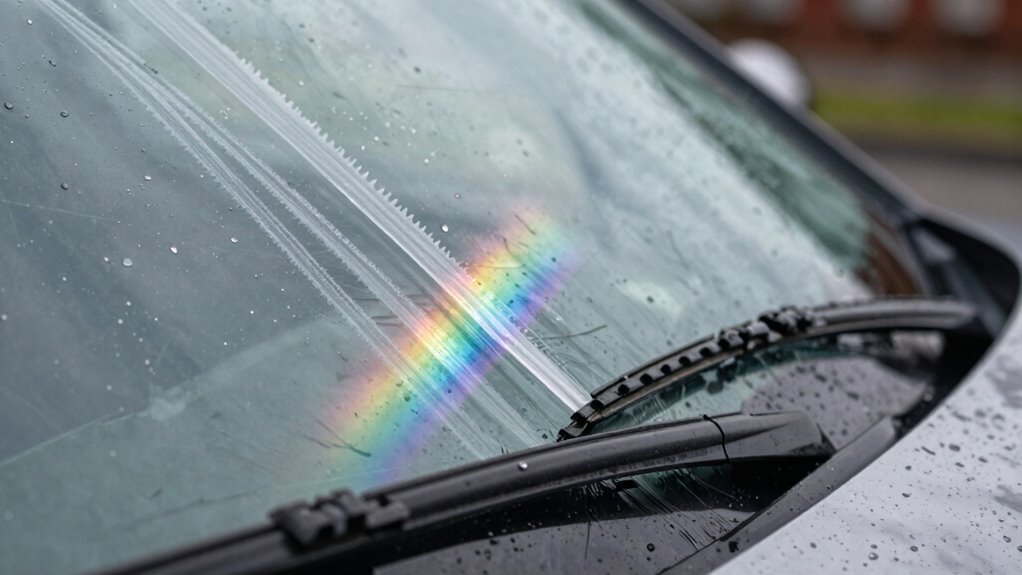

Windshield wiper streaks are a hassle that can obscure your view while driving. They usually happen due to worn-out blades that fail to make good contact with the glass, or because of a dirty windshield that hinders wiper performance. Factors like improper wiper blade angles and surface damage on the windshield can also contribute to these streaks. By keeping your wipers and windshield clean, you can help minimize this problem. Discover more ways to improve your wiper performance!

Get the little things that make your day delivered free — and shop member deals
- Fast, free delivery on millions of items
- Access to Prime Big Deal Days deals on October 6–7
- Prime Video, Amazon Music and more included
Key Takeaways
- Worn wiper blades fail to create a proper seal, leading to uneven pressure and streaks on the windshield.
- Contaminated windshield surfaces hinder wiper performance, leaving water and grime lines.
- Improper wiper blade angle can cause uneven streaking across the glass.
- Surface damage, such as scratches or chips on the windshield, disrupts wiper glide and causes missed spots.
- Regular maintenance, including cleaning blades and checking for wear, is essential to prevent streaking.
windshield wiper blades replacement
As an affiliate, we earn on qualifying purchases.
As an affiliate, we earn on qualifying purchases.
What Are Windshield Wiper Streaks and Why Are They a Problem?

Windshield wiper streaks can be a frustrating sight, especially when you’re trying to maintain clear visibility during rain or snow. These streaks occur when your wipers fail to clear the glass effectively, leaving behind lines of water and grime. Poor wiper performance not only hinders your vision but can also lead to dangerous driving conditions. Regular wiper maintenance is vital for preventing these issues. Make certain to inspect your wipers for wear and tear, and replace them as needed. Cleaning the windshield and wiper blades can also greatly improve their efficiency. By focusing on streak prevention, you guarantee a safer driving experience, allowing you to navigate the elements with confidence. Don’t overlook your wipers; they’re essential for clarity on the road.
best windshield wiper blades for rain
As an affiliate, we earn on qualifying purchases.
As an affiliate, we earn on qualifying purchases.
Common Causes of Windshield Wiper Streaks
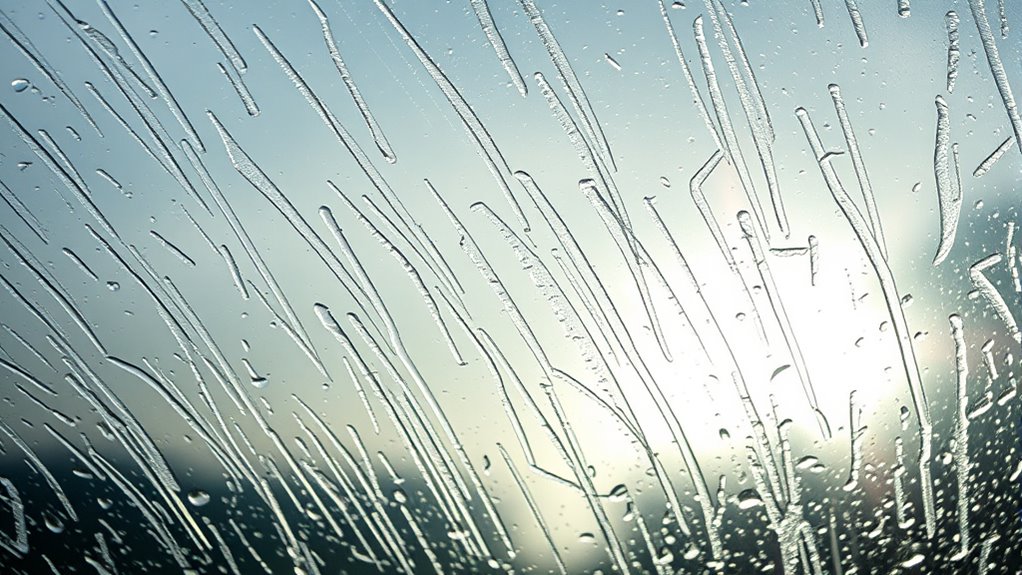
Streaks on your windshield can stem from several common issues that often go unnoticed. Here are three main culprits to contemplate:
- Worn Wiper Blade Materials: If your blades are made of old or poor-quality rubber, they won’t make proper contact with the glass, leaving streaks behind.
- Contaminated Windshield Surface: Dirt, grime, or even wax on your windshield can hinder wiper performance, causing streaks.
- Improper Wiper Blade Angle: If the angle of your wipers isn’t set correctly, they might not sweep the windshield evenly, leading to uneven streaking.
Utilizing effective streak reduction techniques, like regularly cleaning your windshield and choosing high-quality wiper blade materials, can greatly enhance your driving visibility.
As an affiliate, we earn on qualifying purchases.
How Worn-Out Wiper Blades Cause Windshield Wiper Streaks

When wiper blades wear out, they lose their ability to create a proper seal against the windshield, which leads to ineffective cleaning. This wear causes uneven pressure across the blade, resulting in streaks and missed spots. You might notice that rain or debris isn’t cleared effectively, leaving your view obstructed. Regular wiper blade maintenance is essential to guarantee they stay in good condition. Inspect your blades every few months and replace them if you see signs of wear, like cracks or fraying. Taking these steps can help you achieve streak prevention and maintain a clear line of sight while driving. Don’t wait until your visibility is compromised—stay proactive and keep your wiper blades in top shape!
As an affiliate, we earn on qualifying purchases.
How Windshield Condition Affects Wiper Performance

Your windshield’s condition plays an essential role in how well your wipers perform. Surface damage, dirt, and debris can hinder their ability to clear water effectively. Additionally, the quality of your glass matters; any imperfections can lead to streaks and reduced visibility.
Surface Damage Impact
Although a clean windshield is essential for peak visibility, surface damage can considerably hinder wiper performance. When you’ve got surface imperfections, wiper contact becomes less effective, leading to streaks and reduced clarity. Here are three common types of surface damage that can impact your wipers:
- Scratches – These can disrupt the smooth glide of wipers, causing them to skip.
- Chips – Even small chips can create areas where water collects, making it hard for wipers to clear effectively.
- Cloudiness – A cloudy windshield surface can scatter light, leading to glare and making it difficult for wipers to maintain a clear view.
Ensuring your windshield is in good condition is vital for ideal wiper function.
Dirt and Debris Build-up
Even the cleanest windshield can suffer if dirt and debris accumulate, as this build-up interferes with wiper function. You might notice streaks and smudges that obscure your view. Regular cleaning is essential to prevent dirt accumulation, ensuring your wipers perform efficiently. Here’s a quick reference for effective debris removal:
| Type of Dirt | Cleaning Method | Frequency |
|---|---|---|
| Mud | Soft cloth & water | After heavy rain |
| Pollen | Glass cleaner | Weekly |
| Road grime | Scrubbing pad | Monthly |
Glass Quality Considerations
The condition of your windshield plays a significant role in how effectively your wipers clear rain and debris. When your glass clarity is compromised, it can lead to streaks and reduced visibility. Here are three key factors to take into account:
- Cracks and Chips: Even small imperfections can disrupt wiper movement, causing them to skip or streak.
- Film and Grime: A dirty windshield makes it difficult for wipers to maintain contact, leading to poor performance.
- Wiper Compatibility: Verify your wipers are suited for your windshield’s specific glass type; mismatched components can exacerbate streaking issues.
How to Maintain Your Windshield Wipers for Optimal Performance

Proper maintenance of your windshield wipers can greatly enhance their performance and lifespan. Start by regularly cleaning the wiper blades with a soft cloth and a mild detergent. This helps remove dirt and debris that can cause streaking. Check the wiper blade materials; rubber blades wear out faster than silicone ones, so you might want to replace them more frequently. Aim to inspect your wipers every six months, especially before winter or rainy seasons. If you notice any cracks or stiffness, it’s time for a replacement. Also, make certain your windshield is clean, as a dirty surface can contribute to wiper performance issues. Following these steps will keep your wipers functioning effectively, guaranteeing clear visibility during drives.
Choosing the Right Wiper Blades

When it comes to choosing the right wiper blades, understanding the different types available can make all the difference in ensuring clear visibility during inclement weather. You’ll want to evaluate the following wiper blade types and their performance ratings:
- Conventional Blades: These are the most common and affordable, but may not perform as well in heavy rain.
- Beam Blades: Designed for better contact with the windshield, these provide superior performance in various weather conditions.
- Hybrid Blades: Combining the best of both worlds, hybrid blades offer the aerodynamic benefits of beam blades with the durability of conventional ones.
Environmental Factors Contributing to Windshield Wiper Streaks
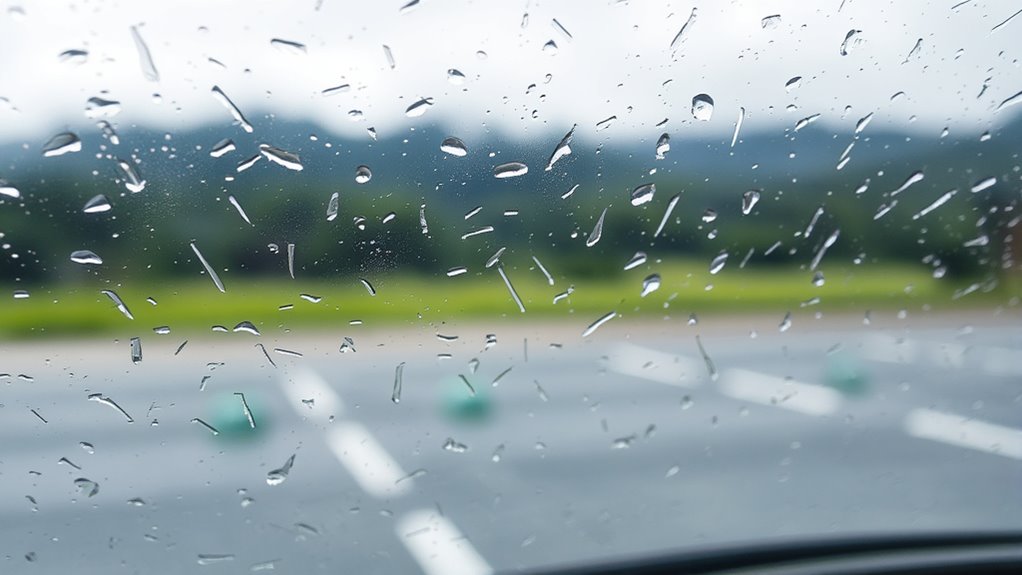
Choosing the right wiper blades is just the first step in maintaining clear visibility. Environmental factors like weather effects and environmental pollutants can greatly impact your windshield’s clarity. Rain, snow, and ice can create a layer of grime, making it harder for your wipers to function effectively. Additionally, road salt, dust, and other pollutants can accumulate on your windshield, causing streaks when your wipers try to clear the surface. Wind can also blow debris onto your glass, further complicating visibility. You might not realize that these elements can wear down your wiper blades faster than expected. Being aware of these environmental influences helps you understand why streaks appear and emphasizes the importance of regular maintenance for your vehicle’s visibility. Regular vehicle maintenance can help prevent buildup and ensure your wipers perform optimally.
Tips for Cleaning Your Windshield Effectively
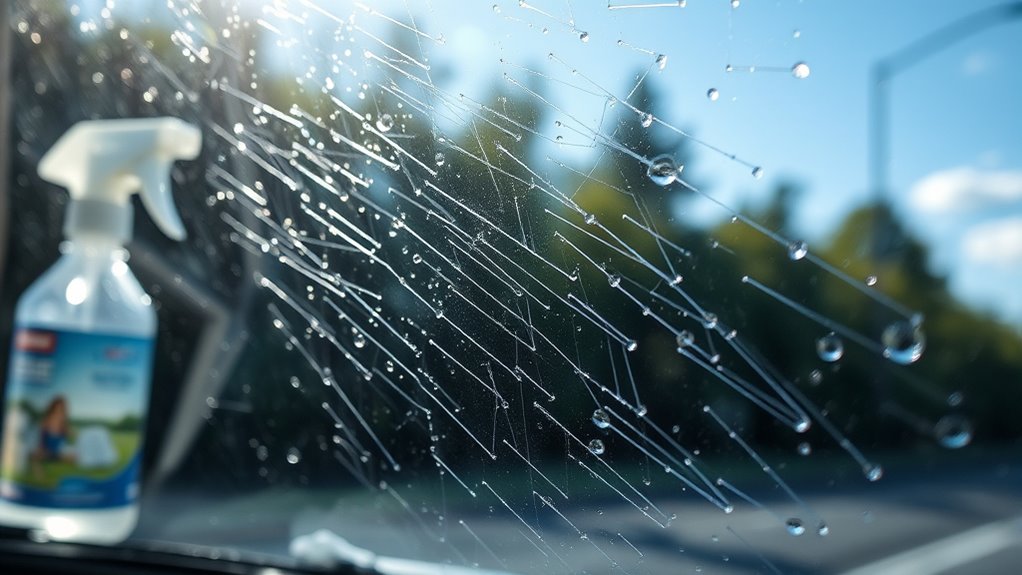
To keep your windshield crystal clear, you’ll want to choose the right cleaner that tackles grime without leaving streaks. Use proper techniques when applying it, ensuring even coverage for the best results. Don’t forget to maintain your wiper blades, as they play an essential role in achieving a spotless view.
Choose The Right Cleaner
While it might seem tempting to grab any cleaner for your windshield, selecting the right one is essential for achieving a streak-free shine. Using the wrong cleaning solutions can lead to frustrating streaks and reduced visibility. Here are three effective techniques for choosing the right cleaner:
- Look for ammonia-free options: Ammonia can damage your windshield and wipers over time. Choosing appropriate cleaning agents that are compatible with your vehicle’s surfaces can help maintain their integrity. Additionally, selecting cleaners that are compatible with vehicle surfaces ensures the longevity of your windshield and wipers.
- Choose a dedicated auto glass cleaner: These products are formulated specifically for your vehicle’s needs.
- Consider DIY solutions: A mix of vinegar and water can create a powerful, streak-free cleaner.
- Additionally, understanding the importance of proper maintenance routines can help prevent streaks and keep your windshield clear.
Use Proper Techniques
Cleaning your windshield effectively requires the right techniques to guarantee a clear view and prevent streaks. First, gather quality microfiber cloths and a suitable glass cleaner. Start by spraying the cleaner evenly across the glass, then wipe in a circular motion to lift dirt and grime. Follow up with vertical strokes for a streak-free finish. Don’t forget the edges where debris can accumulate.
If you notice streaks after cleaning, check your wiper blades for wear and consider proper cleaning techniques for them, too. If needed, perform a wiper blade installation to ensure peak performance. By using these techniques, you’ll maintain clarity and safety while driving, making your windshield a streak-free zone.
Maintain Wiper Blades
After ensuring your windshield is clean, it’s important to turn your attention to the wiper blades. Regular maintenance can prevent streaks and improve visibility. Here are some tips for caring for your wiper blades:
- Inspect: Check for worn or damaged wiper blade types, as this can lead to ineffective cleaning.
- Clean: Use a soft cloth with mild soap and water to wipe the rubber part of the blades. This helps remove dirt and debris that can cause streaks.
- Replace: Depending on the wiper blade materials, consider replacing them every 6-12 months to maintain peak performance.
When to Replace Your Windshield Wipers?

Have you noticed your windshield wipers leaving streaks or missing spots? It’s probably time to evaluate replacing them. Most wiper blades have a lifespan of six months to a year, depending on the materials used. Rubber blades tend to wear out faster than silicone ones.
Here’s a quick guide to help you determine when to replace your wipers:
| Signs of Wear | Recommended Action | Wiper Blade Materials |
|---|---|---|
| Streaks on windshield | Replace immediately | Rubber, Silicone |
| Skipping or chatter | Replace soon | Natural, Synthetic |
| Cracks or tears | Replace right away | Hybrid |
Keep an eye on your wipers, and don’t hesitate to replace them when they start showing these signs!
Best Practices for Preventing Windshield Wiper Streaks

To prevent windshield wiper streaks, you should focus on a few key practices. Regularly replacing your wiper blades, keeping your windshield clean, and using quality wiper fluid can make a big difference. By following these tips, you’ll guarantee clear visibility during your drives.
Regular Wiper Blade Replacement
Regularly replacing your windshield wiper blades is essential for maintaining clear visibility and preventing annoying streaks. Wiper blades typically have a lifespan of six months to a year, depending on weather conditions. To keep your maintenance schedule on track, follow these best practices:
- Inspect your wiper blades every month for signs of wear, like cracks or fraying.
- Replace the blades at least every six months, especially if you notice streaks.
- Choose high-quality blades that suit your vehicle and climate for better performance.
- Ensure proper blade installation to avoid unnecessary wear and streaking caused by misalignment ADAS sensor calibration.
Clean Windshield Surface
Even with new wiper blades, dirty glass can lead to frustrating streaks on your windshield. To prevent this, you should prioritize keeping your windshield clean. Start by using effective cleaning techniques, like a mixture of vinegar and water or a dedicated glass cleaner. Apply the solution with a microfiber cloth to avoid scratching the surface. Don’t forget to clean the edges and corners where grime often accumulates. Regular windshield maintenance tips include cleaning your windshield weekly, especially in adverse weather conditions. Also, remember to check for any residual dirt on your wiper blades, as this can transfer back onto the glass. By maintaining a spotless windshield, you’ll enjoy a clearer view and reduce the likelihood of streaks.
Use Quality Wiper Fluid
Using quality wiper fluid can make a significant difference in preventing those annoying streaks on your windshield. When selecting wiper fluid types, consider the following:
- All-Season Fluid: This helps maintain visibility in various weather conditions, reducing streaks caused by ice or dirt.
- Bug Remover Fluid: Perfect for summer, it tackles stubborn residues, ensuring a clear view without streaks.
- Rain Repellent Fluid: This type not only cleans but also creates a hydrophobic layer, making water bead off your windshield.
Always store your wiper fluid in a cool, dry place to maintain its effectiveness. Choosing the right fluid and storing it properly can keep your windshield streak-free, enhancing your driving experience.
Frequently Asked Questions
Can Windshield Wiper Streaks Be Fixed Without Replacing Wipers?
Yes, you can fix windshield wiper streaks without replacing the wipers. Start with some wiper maintenance tips: clean the wiper blades with a cloth and rubbing alcohol to remove grime. Next, use effective windshield cleaning techniques, like a quality glass cleaner and a microfiber cloth, to guarantee a streak-free surface. Regularly maintaining your wipers and windshield can enhance visibility and extend the life of your wipers, keeping your driving experience safer.
Do Certain Weather Conditions Worsen Windshield Wiper Streaks?
Yes, certain weather conditions can worsen windshield wiper streaks. During rainy conditions, if your wipers aren’t functioning properly, they can leave streaks as they struggle to clear the water. Icy surfaces can also create issues, as frozen debris may hinder the wipers’ movement and lead to poor contact with the glass. Keeping your wipers in good shape and ensuring your windshield’s clean can help minimize these problems in challenging weather.
Are Expensive Wiper Blades Worth the Investment?
Yes, expensive wiper blades can be worth the investment. While you might see a cost comparison that suggests cheaper options, the quality of blade materials in premium wipers often leads to better performance. They typically last longer and provide clearer visibility, reducing the chances of streaks. By investing a bit more upfront, you’re likely to save on replacements and enjoy safer driving conditions, especially in challenging weather.
How Often Should I Clean My Windshield for Optimal Wiper Performance?
You should clean your windshield at least once a week to guarantee peak wiper performance. Following these cleaning frequency guidelines helps prevent dirt buildup that can hinder visibility. Use a soft cloth and a suitable glass cleaner for best results. Incorporating these windshield maintenance tips keeps your wipers functioning smoothly and minimizes streaks. If you notice any residue after cleaning, consider checking your wiper blades for wear and replacing them if necessary.
Can Using Incorrect Washer Fluid Cause Streaks on the Windshield?
Using incorrect washer fluid can definitely cause streaks on your windshield. Think of your wipers as artists painting a clear view; if they use the wrong medium, the masterpiece becomes a mess. Different washer fluid types have varying ingredients that affect cleaning efficiency. If you store your fluid improperly, it can degrade, leading to even more streaks. Choose the right fluid and store it correctly for a clear, unobstructed view ahead.
Conclusion
In the dance between rain and road, your windshield wipers are the unsung heroes, yet streaks can turn clarity into chaos. By understanding their causes and caring for both your wipers and windshield, you can guarantee a crystal-clear view ahead. Regular maintenance is your ally, and timely replacements are your shield against the elements. Embrace these practices, and you’ll navigate the stormy skies of driving with confidence, leaving streaks behind like whispers in the wind.
NFL season / tailgating Picks
team gear
As an affiliate, we earn on qualifying purchases.