
When choosing between cloud backup and external drives, you’ve got to weigh security, accessibility, and cost. Cloud backup offers automatic updates and remote access but involves subscription fees, while external drives provide one-time storage with physical control but lack online accessibility. Both options carry security risks—cloud services face data breaches, and external drives can be lost or stolen. To find the best fit for your data protection needs, there’s more to uncover about each option.
Key Takeaways
- Cloud backup offers automatic backups and off-site storage, while external drives require manual backups and provide local storage.
- Cloud solutions are accessible from any internet-connected device, whereas external drives need a physical connection for access.
- External drives involve a one-time cost, while cloud backups typically have ongoing subscription fees that can add up over time.
- Cloud services may include encryption and multi-factor authentication, while external drives require personal security measures for data protection.
- Cloud backups provide effective disaster recovery, but external drives offer immediate data access without relying on internet speed.

Seagate Portable 2TB External Hard Drive HDD — USB 3.0 for PC, Mac, PlayStation, & Xbox -1-Year Rescue Service (STGX2000400)
Easily store and access 2TB to content on the go with the Seagate Portable Drive, a USB external…
As an affiliate, we earn on qualifying purchases.
As an affiliate, we earn on qualifying purchases.
Key Benefits of Cloud Backup for Data Protection
When it comes to safeguarding your data, cloud backup offers several key advantages that make it a smart choice. One major benefit is the ability to set up automatic backups, ensuring your files are consistently saved without any manual effort. This means you can focus on your work while your data is securely backed up in real time. In the event of a disaster, whether it’s a hardware failure or a natural catastrophe, cloud backup provides effective disaster recovery solutions. You can quickly restore your files from the cloud, minimizing downtime and disruption. Additionally, personalized care plans tailored to your needs ensure that your data protection strategies are aligned with your specific requirements. With these features, you’re not just protecting your data; you’re also gaining peace of mind knowing everything’s safe and accessible whenever you need it.

Nero BackItUp – Data Backup Software | Automatic Backup, Data Recovery, Cloud Backup, Fully Automated | Lifetime License | 1 PC | Windows 11/10/8/7
✔️ One-time Payment, Lifetime Use: Unlike subscription-based services, pay once and enjoy lifetime use without recurring costs.
As an affiliate, we earn on qualifying purchases.
As an affiliate, we earn on qualifying purchases.
Benefits of External Drives
While cloud backup has its advantages, external drives also offer compelling benefits for data storage and protection. One standout feature is the portability advantage, allowing you to easily transport your data wherever you go. Here are some key benefits of using external drives:
- High storage capacity: Store large amounts of data without worrying about limits.
- Immediate access: Quickly access files without needing an internet connection.
- Cost-effective: One-time purchase with no ongoing subscription fees.
- Security control: Keep your data physically secure and away from online threats.
- Backup flexibility: Customize your backup schedule and manage your data as you see fit.
Additionally, external drives often provide filtration/suction basics that help keep your hardware free from dust and debris, ensuring long-term reliability.
Incorporating external drives into your data strategy can provide you with essential benefits that cloud solutions may not match.
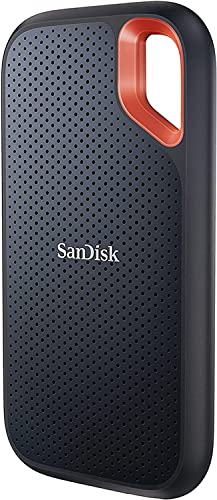
SANDISK 1TB Extreme Portable SSD – Up to 1050MB/s, USB-C, USB 3.2 Gen 2, IP65 Water and Dust Resistance, Updated Firmware – External Solid State Drive – SDSSDE61-1T00-G25
Get NVMe solid state performance with up to 1050MB/s read and 1000MB/s write speeds in a portable, high-capacity…
As an affiliate, we earn on qualifying purchases.
As an affiliate, we earn on qualifying purchases.
How Secure Is Your Data? Exploring Risks?
How secure is your data really? When you choose between cloud backup and an external drive, you must consider the risks involved. Cloud services often face data breaches, exposing your files to unauthorized access. However, many providers use advanced encryption methods to protect your data both in transit and at rest. On the other hand, external drives can be physically lost or stolen, leaving your data vulnerable without proper security measures. If you opt for an external drive, guarantee you implement encryption methods yourself to safeguard sensitive information. Ultimately, the choice between cloud backup and external drives hinges on your risk tolerance and the security measures you’re willing to enforce. Stay informed to make the best decision for your data’s safety.

Apricorn 2TB Aegis Padlock USB 3.0 256-Bit AES XTS Hardware Encrypted Portable External Hard Drive (A25-3PL256-2000)
Hardware encrypted drive
As an affiliate, we earn on qualifying purchases.
As an affiliate, we earn on qualifying purchases.
Cost Comparison: Cloud Backup vs. External Drives
As you weigh the costs of cloud backup against external drives, it’s essential to contemplate not just the initial investment but also ongoing expenses. Here’s what you should consider:
- Subscription fees for cloud services can accumulate over time, depending on your storage needs.
- Maintenance costs are generally lower for cloud solutions since the provider handles hardware upkeep.
- Storage capacity often varies; external drives can offer more space upfront without recurring fees.
- Durability concerns arise with external drives, as they may fail or get damaged, leading to potential replacement costs.
- Think about the value of convenience versus the security of physical ownership when making your choice.
Ultimately, understanding these factors will help you make a more informed decision.
Accessibility of Cloud vs. External Drives
When considering accessibility, cloud backups generally outshine external drives due to their ability to provide remote access from any internet-connected device. You can retrieve your data anytime, anywhere, which is a significant advantage for many users. In contrast, external drives require physical connection and might not always be available when you need them.
| Feature | Cloud Backup | External Drive |
|---|---|---|
| Remote Access | Yes | No |
| Data Retrieval Speed | Variable (internet speed) | Fast (direct connection) |
| Device Compatibility | Any device with internet | Limited to USB ports |
| Storage Capacity | Scalable | Fixed |
Ultimately, your choice may depend on your specific accessibility needs.
How to Decide Between Cloud Backup and External Drives

When deciding between cloud backup and external drives, you need to contemplate factors like cost, accessibility, and security. Think about how much you’re willing to spend and how often you’ll need to access your data. Also, weigh the importance of privacy and protection for your information in each option. Additionally, consider weatherproof tool storage options to prevent physical damage to external drives in case of environmental hazards.
Cost Considerations
Cost is a critical factor in choosing between cloud backup and external drives. You’ll need to evaluate the initial investment and potential long-term savings of each option. Here are some key points to think about:
- Cloud Backup Costs: Monthly or annual subscription fees can add up over time.
- External Drive Costs: Higher initial investment, but no recurring fees.
- Storage Capacity: Assess how much data you need to back up.
- Durability and Lifespan: External drives may require replacement after a few years.
- Hidden Costs: Factor in potential costs for recovery or data transfer.
Ultimately, weigh these factors based on your budget and how you plan to use your backup solution. Making an informed decision now can save you money later.
Accessibility and Convenience
How easily can you access your data when you need it? If you choose cloud backup, you gain the advantage of remote access, allowing you to retrieve your files from anywhere with an internet connection. This can greatly enhance your user experience, especially if you’re often on the go or working from multiple locations. On the other hand, external drives provide a physical backup that you may find more reliable in places with poor internet connectivity. However, accessing your data requires you to have the drive on hand. Consider how often you need to access your files and the environments in which you’ll be working. Ultimately, weigh the convenience of remote access against the tactile reliability of an external drive.
Security and Privacy
While both cloud backup and external drives offer ways to secure your data, the level of security and privacy they provide can differ greatly. When deciding which option suits you, consider these key factors:
- Encryption methods: Cloud services often use advanced encryption, but verify you understand their protocols.
- Data ownership: With external drives, you have full control, while cloud services may have terms that affect your ownership rights.
- Physical security: External drives can be stolen or lost, while cloud data is protected by data centers.
- Access control: External drives limit access to you, while cloud services can be more vulnerable to breaches.
- Compliance: Check if the cloud provider meets necessary regulations for your data type.
- Data redundancy: Cloud providers often implement multiple backups across data centers, reducing the risk of data loss.
Evaluate these aspects to make an informed choice.
Frequently Asked Questions
Can I Use Both Cloud Backup and External Drives Together?
Yes, you can definitely use both cloud backup and external drives together. This combination maximizes your data security and accessibility. Cloud storage benefits include automatic backups and remote access, while external drives offer physical control over your data. Just be mindful of drive compatibility issues; guarantee your external drive works seamlessly with your devices. By using both, you create a robust, layered approach to data protection that keeps your files safe and easily accessible.
How Often Should I Back up My Data?
Think of your data like a garden; if you don’t tend to it regularly, weeds can take over. You should back up your data at least once a week, or more often if it’s essential. The backup frequency depends on the importance of your data. If you’re working on a big project, daily backups might be wise. Regularly tending to your data guarantees you don’t lose what matters most to you.
What Happens if I Lose Internet Access?
If you lose internet access, you’ll struggle with data retrieval from cloud backups since they’re dependent on an online connection. However, if you’ve got an external drive, you can easily access your files offline. This means you can continue working or retrieving important documents without delay. It’s crucial to have both options available to guarantee you can manage your data effectively, regardless of your internet situation. Stay prepared for any connectivity issues!
Are There Data Size Limits for Cloud Backups?
Yes, there are data size limits for cloud backups. Most cloud services impose data capacity restrictions based on your chosen plan, which can vary widely. You might encounter service limitations that affect how much data you can upload or store. It’s crucial to check your provider’s terms to understand these boundaries. If your data exceeds the limit, you may need to upgrade your plan or consider alternative storage solutions.
Can External Drives Fail, and How Can I Prevent It?
Yes, external drives can fail, and it’s a real concern that can evoke anxiety. To prevent this, focus on drive longevity by choosing high-quality brands and regularly checking for signs of wear. Implement data redundancy by backing up your files on multiple drives or using a cloud solution alongside your external drive. This way, you’ll safeguard your important data and reduce the stress of potential drive failure. Remember, it’s better to be safe than sorry!
Conclusion
In the tug-of-war between cloud backup and external drives, it’s essential to evaluate convenience, cost, and capacity. Each option offers distinct advantages; cloud backup boasts boundless accessibility, while external drives deliver dependable durability. Ultimately, your decision should depend on your unique needs and preferences. Weigh the wonderful benefits of both, and choose the path that best protects your precious data. Stay savvy and secure in your storage solutions for a stress-free digital life!