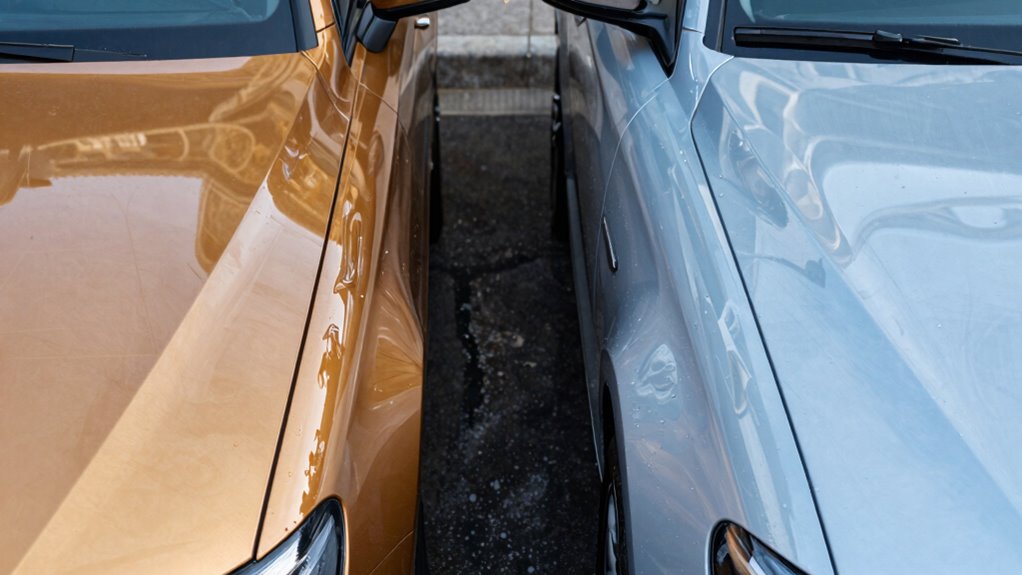
Ceramic sprays offer longer-lasting protection, better water repellency, and easier, quicker application than traditional wax. While wax provides a warm, deep shine, it needs frequent reapplications and isn’t as resistant to environmental damage. Ceramic sprays create a durable barrier that resists UV rays, oxidation, and stains, making maintenance simpler. If you want to maximize your car’s shine and protection, understanding the key differences and proper techniques can make all the difference—so keep exploring to learn more.

Get the little things that make your day delivered free with Prime
- Fast, free delivery on millions of items
- Prime Video, Amazon Music and more included
- Member-only deals all year
Key Takeaways
- Ceramic sprays offer longer-lasting protection and superior water-repelling compared to traditional wax.
- Wax provides a deeper, warm shine but requires more frequent reapplication for ongoing protection.
- Ceramic sprays are quick to apply and ideal for maintenance, while wax application is more time-consuming.
- Ceramic coatings form a stronger, more resilient barrier against environmental damage than wax.
- Proper surface preparation enhances adhesion and effectiveness for both ceramic sprays and wax.
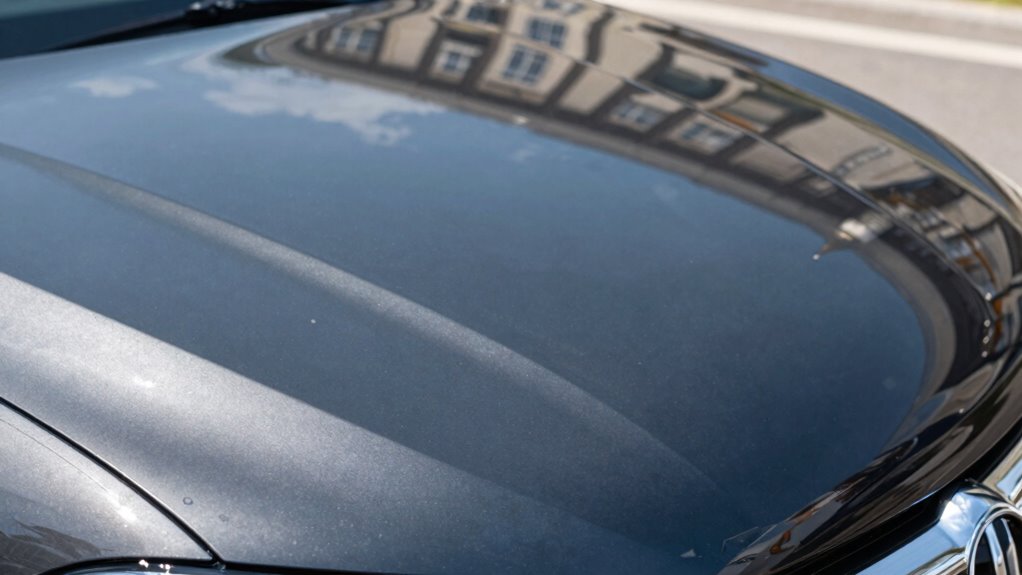
When it comes to protecting your vehicle’s paint, choosing between ceramic sprays and traditional wax can be confusing. Both options aim to keep your car looking glossy and shielded from environmental damage, but they differ considerably in their properties and application. Ceramic sprays are known for their remarkable hydrophobic properties, meaning they repel water more effectively than wax. This water-beading effect helps prevent water spots and makes cleaning easier, as dirt and grime are less likely to stick to the surface. Traditional wax, on the other hand, offers a deep, warm shine that many car enthusiasts love, but it doesn’t usually provide the same level of water repellency. Understanding the application process is crucial to getting the most out of each product. Applying traditional wax typically involves spreading a thin layer over the clean, dry surface and buffing it out with a microfiber cloth. It’s a process that can take some time, especially if you’re aiming for a high-gloss finish. Wax tends to require regular reapplication—often every few months—to maintain its protective qualities. Ceramic sprays, however, are designed for quick, straightforward application. You spray them onto a clean surface and then wipe off the excess with a microfiber cloth. The process is less labor-intensive and often takes less than half the time of waxing, making it convenient for quick touch-ups or maintenance. One major advantage of ceramic sprays over traditional wax lies in their durability. Ceramic coatings form a stronger, more resilient barrier on your paint, often lasting six months or longer with proper care. They also tend to resist UV rays, oxidation, and chemical stains better than wax. Despite this, applying ceramic sprays requires some attention to detail during the initial application to ensure an even coat. Some recommend working in small sections and applying with a clean, damp cloth for best results. Additionally, proper surface preparation is essential to achieve optimal adhesion and protection. Proper cleaning and decontamination before application can significantly enhance the bonding strength of the coating. For those seeking long-lasting protection, ceramic sprays are generally a more reliable choice. A thorough understanding of product longevity can help you decide which option best fits your maintenance routine. Traditional wax can be more forgiving for beginners, but it needs more frequent reapplication to sustain that glossy sheen and protection.
ceramic spray coating for car paint hydrophobic protection
As an affiliate, we earn on qualifying purchases.
As an affiliate, we earn on qualifying purchases.
Frequently Asked Questions
How Long Does a Ceramic Spray Last Compared to Wax?
Ceramic spray typically lasts 3 to 6 months, offering a longer durability comparison to traditional wax, which usually lasts 4 to 8 weeks. You’ll find the application process for ceramic spray is quick and straightforward, often requiring just a spray and wipe. Wax, meanwhile, may need more frequent reapplications. By choosing ceramic spray, you get a durable coating with a simpler application process, saving you time and effort.
Are Ceramic Sprays More Environmentally Friendly Than Wax?
Ceramic sprays are generally more eco-friendly than wax because they often have fewer harmful chemicals and produce less environmental impact. Their chemical composition usually includes silica and other durable polymers, which require less frequent application and reduce waste. Think of ceramic sprays as the greener choice in your car care routine, helping you protect the planet while keeping your vehicle gleaming. They’re a win-win for you and the environment.
Can Ceramic Sprays Be Applied Over Existing Wax Coatings?
Yes, you can apply ceramic sprays over existing wax coatings, but surface compatibility matters. Before applying, make sure the wax is thoroughly cleaned and free of dirt or residues to promote proper paint adhesion. Keep in mind, some waxes may not bond well with ceramic sprays, potentially affecting durability. Always check the product instructions for specific guidance on compatibility, and consider doing a small test spot first.
Do Ceramic Sprays Require Special Tools or Techniques?
You don’t need special tools for applying ceramic sprays, but proper application process and surface preparation are essential. First, wash and dry your vehicle thoroughly to remove dirt and contaminants. Then, work in a shaded area and use a clean microfiber cloth to evenly spread the spray. Avoid applying in direct sunlight, and make sure the surface is cool to the touch. This guarantees ideal bonding and a smooth finish.
Which Option Offers Better UV Protection for Paint?
Imagine your car’s paint as a delicate shield, battling the sun’s relentless rays. Ceramic sprays offer superior UV protection, acting like a solar armor that enhances paint durability and fights fading. Traditional wax provides some protection but is more like a light shield, less resilient against UV damage. For long-lasting color and shine, ceramic sprays are your best bet, safeguarding your car’s paint from sun damage like a fortress against the elements.
carnauba car wax deep gloss paint protection
As an affiliate, we earn on qualifying purchases.
As an affiliate, we earn on qualifying purchases.
Conclusion
Ultimately, choosing between ceramic sprays and traditional wax comes down to your priorities: do you want longer-lasting protection and a high-gloss finish? Do you prefer easier application and quicker results? Both options have their merits, but your decision should match your needs, your expectations, and your lifestyle. So, weigh your options carefully, consider your car’s needs, and choose the product that best suits your routine, your vehicle, and your desired shine.
automotive microfiber towels for applying ceramic spray and buffing wax
As an affiliate, we earn on qualifying purchases.
As an affiliate, we earn on qualifying purchases.
car paint decontamination clay bar kit before ceramic coating
As an affiliate, we earn on qualifying purchases.
As an affiliate, we earn on qualifying purchases.
Halloween Picks
halloween
As an affiliate, we earn on qualifying purchases.